Liquid Chalk for Competitions: Your Meet-Day Grip Strategy
Meet day is not the time to discover your chalk does not work. The warm-up room is chaotic, attempt timing is rigid, and adrenaline makes your palms wetter than any training session. Every detail you control matters — and grip is the one variable that separates a made lift from a miss at maximal loads. This guide covers federation rules, warm-up room protocol, timing your applications, and which formulas hold up when the stakes are highest.
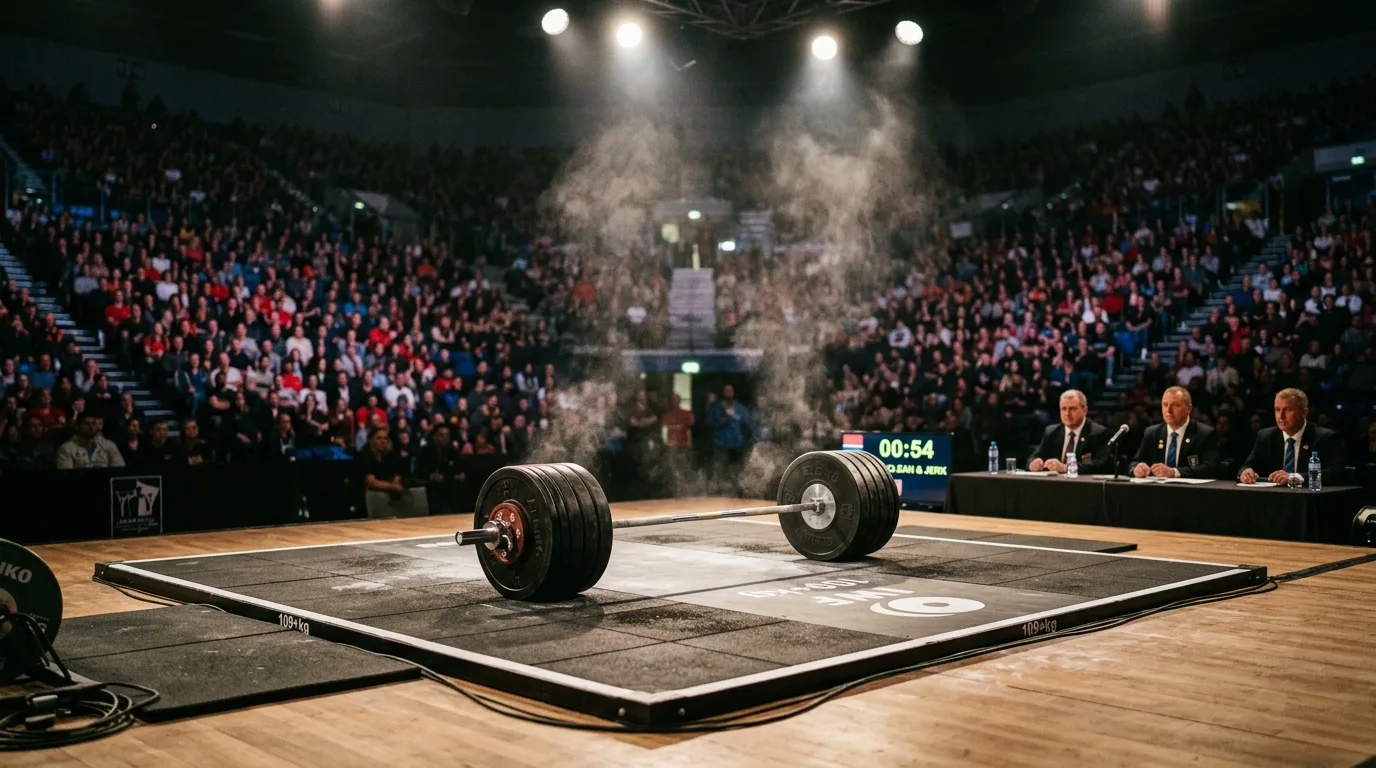
Federation Rules on Chalk
The good news: liquid chalk is legal in virtually every strength sport federation. The rules vary on what constitutes "chalk" versus a "tacky substance," and this distinction matters for resin-enhanced formulas. Here is the current rule landscape across major federations.
Powerlifting (IPF, USAPL, USPA, APF)
All major powerlifting federations allow magnesium carbonate chalk in any form — block, powder, or liquid. The IPF Technical Rules specify that chalk may be applied to the hands and that no other substance may be applied to improve grip. This means pure magnesium carbonate liquid chalk is always legal. Rosin-enhanced or resin-enhanced formulas fall into a gray area depending on interpretation — most local meets accept them without issue, but at national and international competitions, judges may question non-standard ingredients. When in doubt for IPF-affiliated competitions, bring a pure MgCO3 formula as your primary and keep the enhanced formula as a backup.
The USPA and APF are generally more permissive than IPF affiliates. Check your specific federation's rulebook for the meet you are entering — most post their technical rules online.
Olympic Weightlifting (IWF, USAW)
The IWF allows chalk on the hands and thighs. Liquid chalk is permitted. Weightlifters also chalk their thighs for the clean pull — liquid chalk applies more evenly to the thigh than block chalk, providing consistent contact on the bar-to-thigh sweep. USAW follows IWF guidelines, and both Spider Chalk and EVMT are explicitly USAW sanctioned products.
CrossFit Competitions
CrossFit has no restrictions on chalk type. Athletes are expected to manage their own grip aids. At large competitions, shared chalk buckets may be available at some stations but not others — personal liquid chalk in your transition bag is the reliable option. Speed of application matters here: a 10-second dry time lets you chalk between movements in a WOD without losing position.
Strongman
Strongman federations generally allow chalk on all events. For implements like atlas stones and sandbags, most federations allow tacky (pine tar or commercial tacky products) in addition to chalk. Liquid chalk alone is insufficient for stone loading — tacky is the primary grip aid, with chalk as a secondary layer on top. For barbell events (deadlift, log press, axle press), liquid chalk is the standard choice.
Always verify before competing. Federation rules change. Local meet directors may impose additional restrictions. Read the specific meet's rules packet — it is usually emailed to registered athletes 1-2 weeks before the event. If chalk type is not addressed, email the meet director directly. Arriving at a competition with a banned substance is a preventable mistake.
The Warm-Up Room: Where Meets Are Made
The warm-up room is louder, more crowded, and more stressful than any gym session. Twenty or more athletes share barbells, platform space, and a communal chalk bucket that looks like a crime scene by the second flight. Your ability to maintain grip through this chaos directly affects your performance on the competition platform.
Warm-Up Timing and Chalk Application
A typical powerlifting warm-up runs 20-40 minutes from your first light set to your last heavy warm-up. The progression looks like this for a deadlift attempt at 500 pounds: empty bar, 135, 225, 315, 405, 455. You need full grip quality from 315 upward — the first two sets are movement prep where chalk is optional.
Apply liquid chalk after your 225 set. This gives the formula 30-60 seconds to dry while you load the bar to 315. The chalk layer covers your remaining warm-up sets and the transition to the competition platform. If your warm-up takes longer than 30 minutes (common in large flights), reapply before your last warm-up set.
Communal Chalk Buckets: Why Personal Is Better
Meet-provided chalk buckets are convenient but problematic. By mid-flight, the block chalk is contaminated with sweat, skin cells, and chalk paste from every athlete who has dipped their hands. The moisture content of communal chalk increases as the day progresses — you are essentially applying someone else's hand sweat to your palms. Personal liquid chalk eliminates this variable. Your formula is sealed between uses, consistent in quality, and free of other athletes' moisture.
Competition Platform Protocol
Timing Your Application Before Each Attempt
In powerlifting, you have approximately one minute from when your name is called to the start of your attempt. Do not apply chalk on the platform — it wastes time and some judges view it as stalling. Apply in the warm-up area when the lifter two spots ahead of you is called. By the time you walk to the platform, your chalk is dry and you are ready for the start command.
In weightlifting, the clock starts when you are called to the platform, and you have one minute (two minutes between your own consecutive attempts) to complete the lift. Most weightlifters chalk in the warm-up area and walk to the platform ready. If you need a touch-up, do it during the walk — not on the platform.
Adrenaline and Palm Sweating
Competition adrenaline activates the sympathetic nervous system, which triggers the eccrine sweat glands in your palms independent of body temperature. Your hands will be wetter at a meet than they are during training, even if the room temperature is the same. The adrenaline dump before a max attempt can produce visible palm moisture in under 30 seconds.
This is why resin-enhanced formulas outperform standard magnesium carbonate at competitions. The resin provides a grip buffer when adrenaline-driven sweat breaks through the chalk layer. A standard formula that lasts 30 minutes in training might last only 15-20 minutes under competition stress. Plan your reapplication timing accordingly — do not assume meet-day grip matches training-day grip.
Between Attempts: The Quick Refresh
Between your first and second attempt (and second and third), you typically have 8-15 minutes depending on the flight size. Use this time in the warm-up area: take a warm-up attempt at your next opener weight, wipe your palms with a towel, reapply chalk, and let it dry. The fresh layer ensures maximum grip for the next competition attempt. Do not skip the wipe-and-reapply step — applying fresh chalk on top of saturated chalk traps moisture and reduces grip quality.
Best Liquid Chalk for Competition Day
Meet-day formulas need three things: fast dry time (you cannot wait 60 seconds in a chaotic warm-up room), extended grip duration (adrenaline burns through chalk faster), and portability (the bottle lives in your gym bag all day). These five products deliver on all three.
1. Spider Chalk White Widow 8oz — Longest Hold Under Pressure
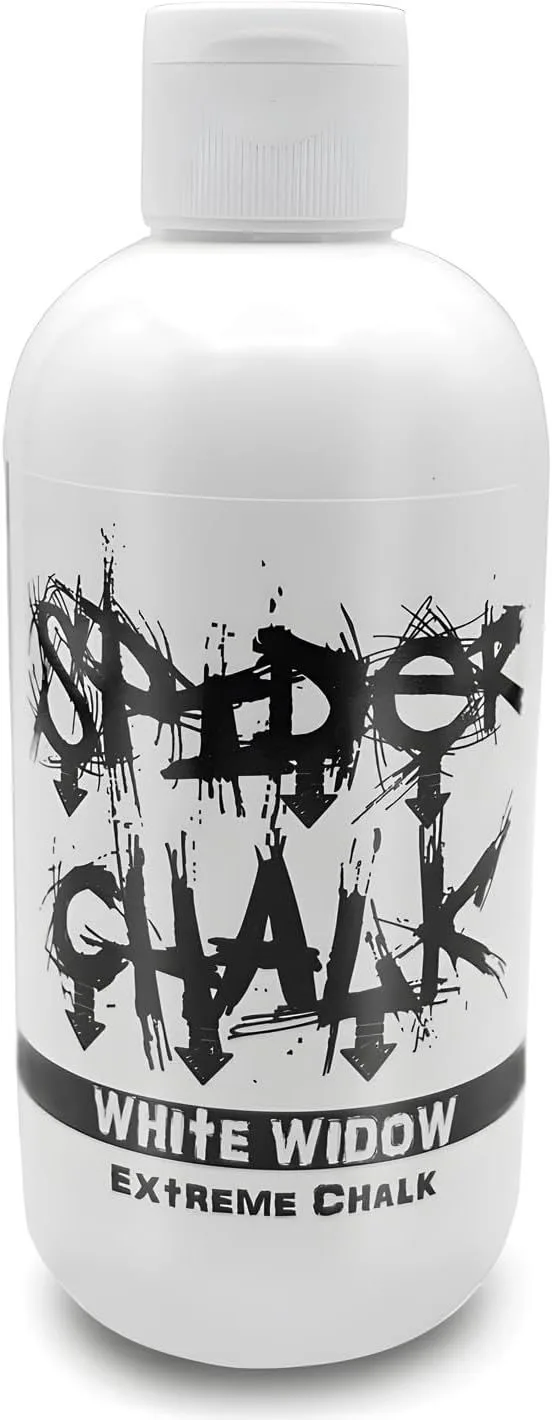
The White Widow's 35-50 minute grip window under resin technology was built for competition timing. One application in the warm-up room covers your entire warm-up progression plus the walk to the platform plus the attempt itself. The nano-resin layer provides backup grip when adrenaline-driven sweat breaks through the primary chalk layer. At mid-range for its category, the 8 oz bottle lasts multiple competition seasons. USAW and USAPL sanctioned — verified legal for major federation meets.
Read our full Spider Chalk White Widow review →
2. WARM BODY COLD MIND Liquid Chalk — Best for International Competition
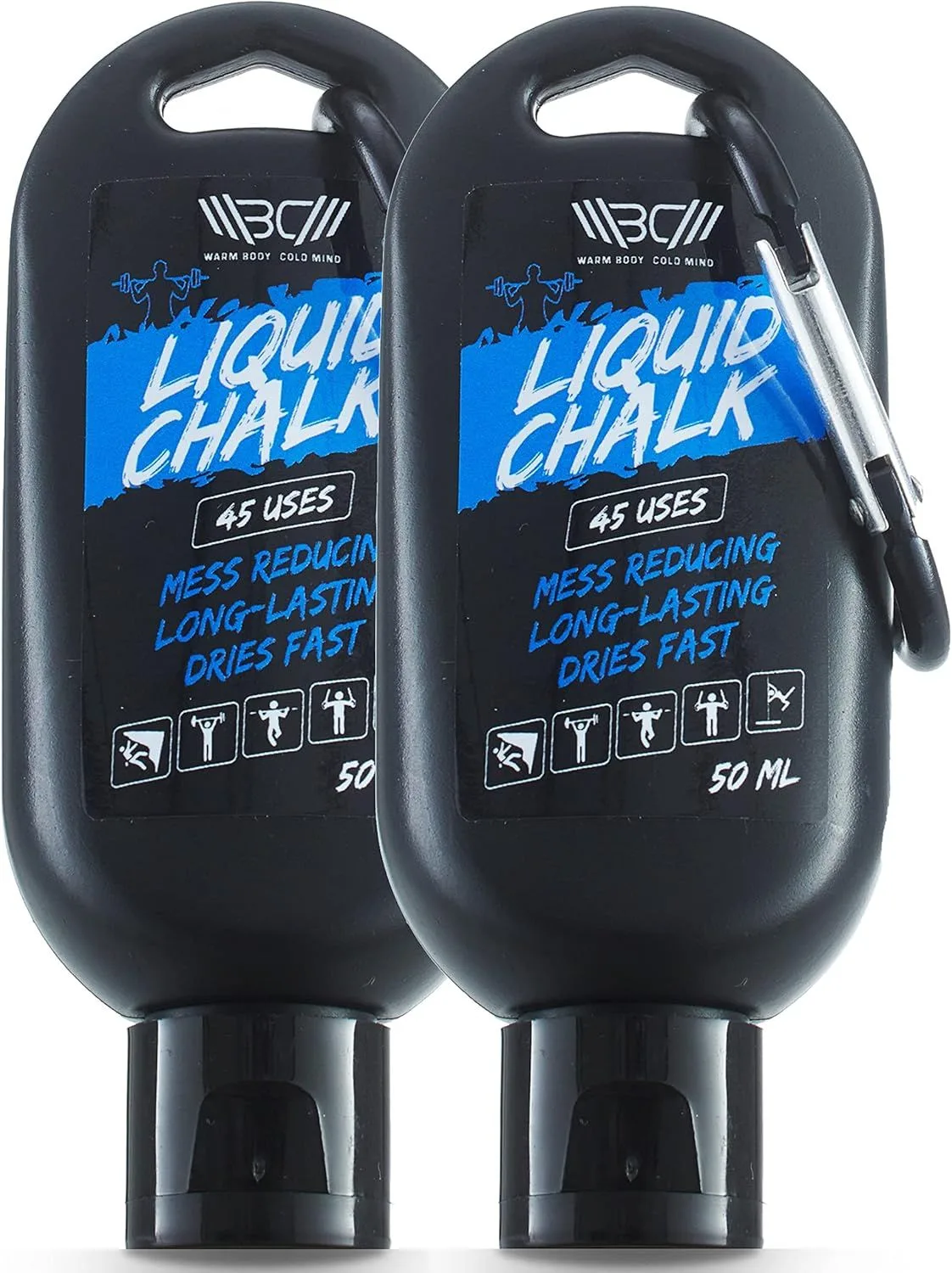
Warm Body Cold Mind was founded by Olympic weightlifters, and the formula reflects competition-specific needs. The extra-thick paste provides a dense, high-friction layer that handles the adrenaline-sweat spike of maximal attempts. The 50ml bottle fits easily into a meet bag side pocket. At one of the priciest in its class, it is a serious formula for athletes who compete regularly. If you lift in USAW or IWF competitions, this is a formula designed specifically for the platform.
Read our full WARM BODY COLD MIND review →
3. EVMT Brands Liquid Chalk — Fastest Dry Time for Quick Applications
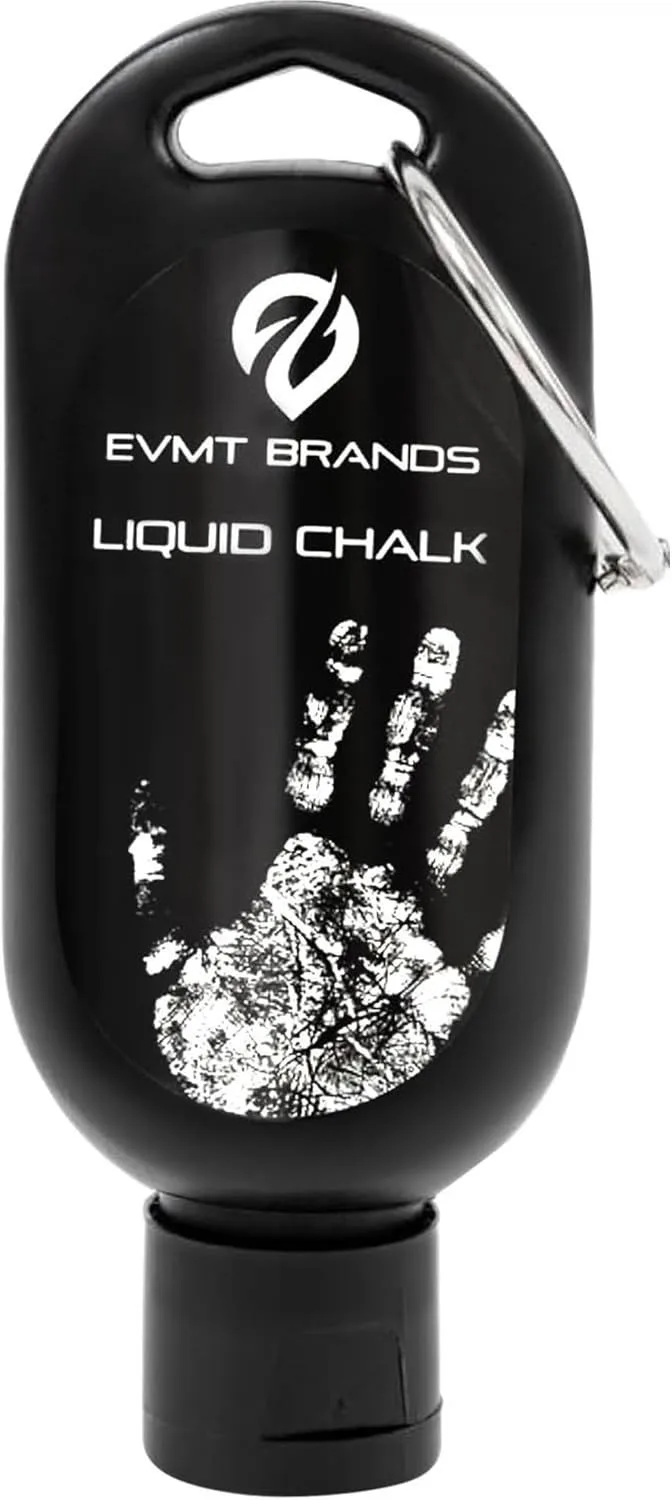
When timing is tight — athlete ahead of you just got called, you need chalk now — the EVMT's 10-15 second dry time is the fastest in our lineup. The compact 50ml bottle slips into a pocket for platform-side access. At above average for its category, it is the most affordable competition chalk. Grip duration is 20-30 minutes, which covers a warm-up-to-attempt window. For a three-lift powerlifting meet (nine total attempts), one bottle is more than enough for the entire day.
Read our full EVMT Brands review →
4. PowerGrip 50ml Travel Liquid Chalk — Best for Multi-Event Days
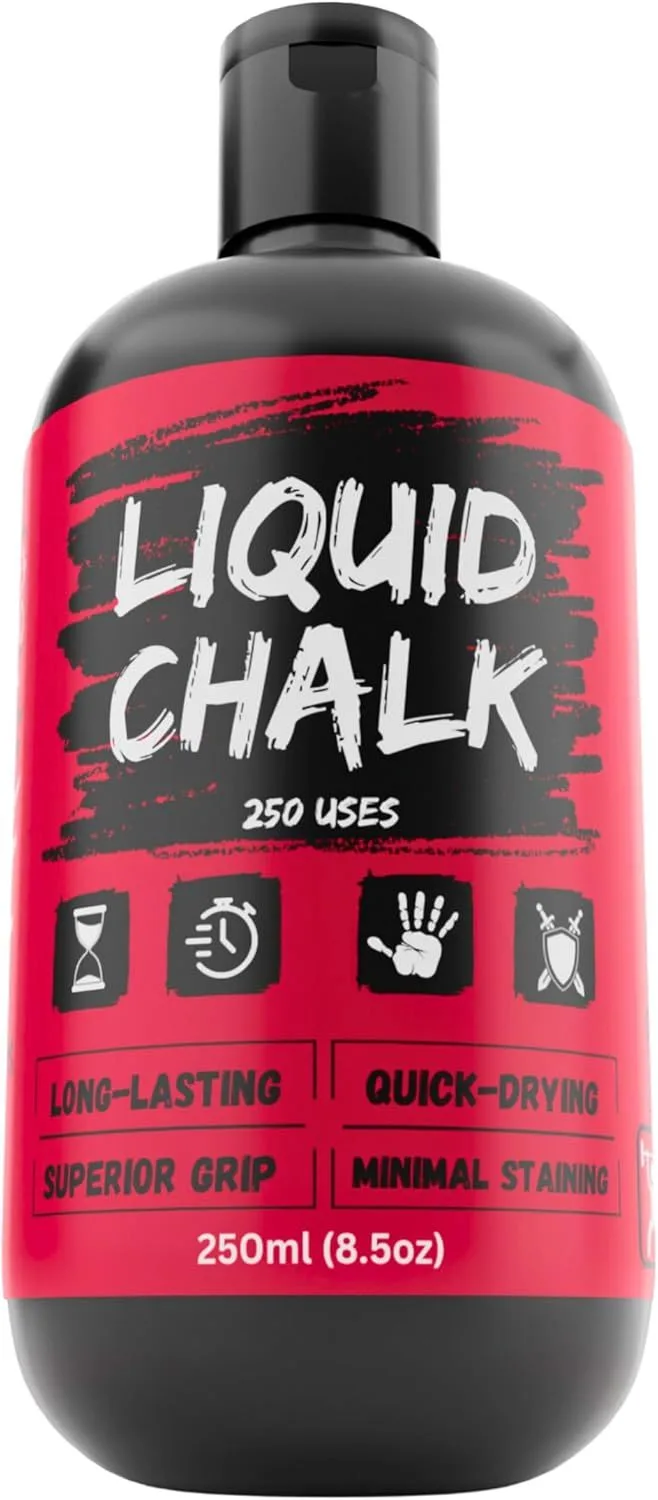
Strongman competitions and CrossFit events run multiple events across a full day. The PowerGrip 50ml travel bottle fits in a hip pouch or shorts pocket for quick access between events. The honey and rosin blend provides a secondary grip layer that outlasts pure magnesium carbonate during long event days where reapplication opportunities are limited. At mid-range for its category, the compact bottle handles a full competition day with frequent reapplication.
Read our full PowerGrip 50ml review →
5. SPORTMEDIQ Pro Grade Liquid Chalk — Best for Team Sharing
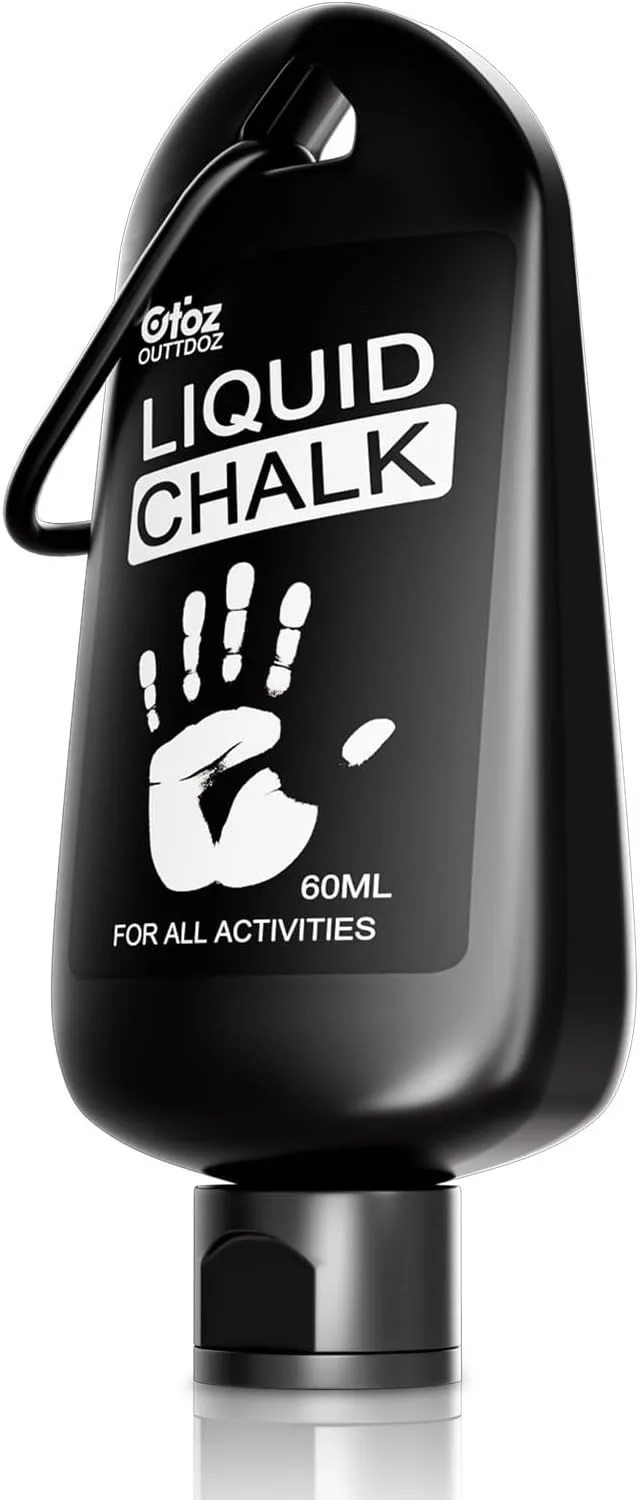
If you are coaching a team at a competition, one large SPORTMEDIQ bottle can supply every athlete. At mid-range for its category for 8.5 oz, it is far more economical than buying individual bottles for each competitor. The lotion consistency dispenses cleanly without drips, and the mild scent will not bother athletes in a crowded warm-up room. For powerlifting teams, CrossFit boxes, or weightlifting clubs, the large bottle doubles as team gear.
Read our full SPORTMEDIQ Pro Grade review →
Building Your Meet-Day Chalk Kit
Pack these items in a separate pouch inside your gym bag so they are accessible without digging through wraps, belts, and shoes:
- Primary liquid chalk bottle — your tested, preferred formula. Not a new bottle you have never tried.
- Backup chalk block — a small 2 oz block of standard magnesium carbonate. Universal fallback if your liquid chalk spills, dries out, or gets confiscated by an overzealous meet director.
- Microfiber hand towel — dedicated to hands only. Use it to dry palms before chalk application and to wipe spent chalk between attempts.
- Small trash bag — for chalk-covered towels and used paper towels so they do not contaminate clean gear in your bag.
- Copy of federation rules — on your phone or printed. If a judge questions your chalk, you can reference the specific rule that permits it. This happens rarely, but being prepared prevents a dispute from affecting your competition focus.
Singlet consideration: Standard white liquid chalk leaves visible handprints on dark singlets when you brush your hands against your thighs. If your singlet is black or navy, either use a clear formula for thigh contact, or apply chalk to your thighs separately and rub it in before it transfers to the fabric. At weigh-in and on the platform, visible chalk smears on your singlet are purely cosmetic — but they can be distracting if you are image-conscious on the platform.
Competition Chalk: Your Questions Answered
Is liquid chalk allowed in powerlifting competitions?
Yes, in all major federations. The IPF, USAPL, USPA, and APF all permit liquid chalk. Some meets prefer it over block chalk because it eliminates airborne dust around the competition platform. A few federations require chalk to be magnesium carbonate-based (no tacky or sticky additives), so check your specific federation rules before meet day. Spider Chalk White Widow and EVMT are both USAPL and USAW sanctioned.
Can I use liquid chalk at a CrossFit competition?
Yes. CrossFit competitions universally allow liquid chalk. Many events prefer it because the fast-paced, multi-station format means athletes cannot stop to chalk up at a community chalk bucket between movements. A personal bottle of liquid chalk in your transition area keeps your hands dry without slowing transitions. At large events like the CrossFit Games regionals, shared chalk buckets may not be available — personal liquid chalk is expected.
How do I chalk up between attempts at a powerlifting meet?
You typically have 60-90 seconds between your name being called and the start command. Apply liquid chalk immediately after submitting your attempt card and walking to the warm-up area. By the time you approach the platform, the chalk is dry and you have full grip. Do not apply chalk on the platform itself — some federations penalize delays. If you need a second application, do it in the warm-up area during the lifter before you. Carry a towel to wipe and reapply quickly.
Should I bring backup chalk to a competition?
Always. Bring two forms: your primary liquid chalk bottle and a small block of standard chalk as a backup. Liquid chalk bottles can leak in gym bags, the formula can dry out if the cap was not sealed properly, or you might realize mid-competition that you need more than one bottle provides. A chalk block takes up minimal space and works as a universal fallback. Some competition venues also provide communal chalk buckets, but relying on those means using chalk that dozens of sweaty hands have contaminated.
Does liquid chalk dry fast enough for warm-up room use?
Most formulas dry in 10-20 seconds, which is fast enough for warm-up room timing. You will be warming up with progressively heavier weights over 30-60 minutes — apply chalk after your last light warm-up and reapply before your final heavy warm-up. The 20-30 minute grip window of standard formulas covers the transition from warm-up room to competition platform. For longer warm-up periods, a resin-enhanced formula extends grip duration.
Are there any federations that ban liquid chalk specifically?
No major powerlifting, weightlifting, or CrossFit federation bans liquid chalk by name. Some federations restrict the use of tacky substances (pine tar, sticky sprays) on hands for safety reasons — these are separate from chalk. If your liquid chalk contains rosin or resin additives, verify with your federation that these qualify as chalk rather than as a tacky substance. Pure magnesium carbonate liquid chalk is universally accepted across all strength sport federations.
Make Every Attempt Count
For most competitors, the Spider Chalk White Widow provides the longest grip window — one application covers warm-ups through the final attempt. For athletes who need the fastest possible application, the EVMT Brands dries in 10-15 seconds and costs less per meet. Pack both if you want options — they serve different timing scenarios.
Get Our Top 3 Picks
Get our top 3 picks for your budget — one email, then only updates.
Only when something changes. Unsubscribe anytime.