Liquid Chalk for Strongman: An Event-by-Event Breakdown
Strongman is the only sport where your grip aid changes between events. Farmer's walks need dry, friction-based grip. Atlas stones need tacky adhesive. Log press needs clean hands for the rack position. And a deadlift medley might hit all three demands in 60 seconds. Liquid chalk is the base layer that covers most events — but knowing where it works and where it does not separates prepared competitors from those scrambling at the chalk station.
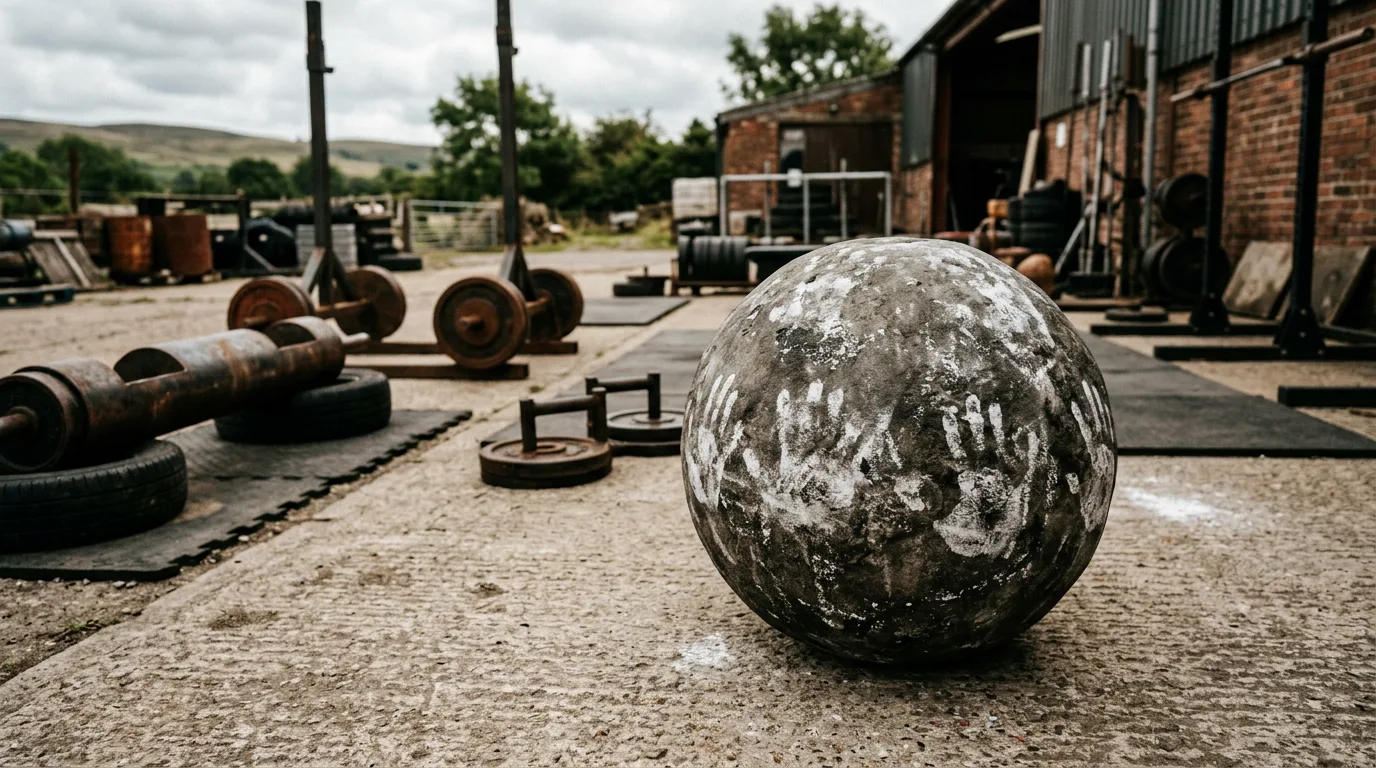
Where Liquid Chalk Dominates in Strongman
Strongman events split into two categories: implement events (barbells, dumbbells, logs, axles, farmer's handles) and odd-object events (atlas stones, sandbags, kegs, natural stones). Liquid chalk is your primary grip aid for every implement event and plays a supporting role in odd-object events.
Farmer's Walk and Frame Carry
Farmer's walks test grip endurance more than peak grip strength. You pick up two heavy handles and walk as far or as fast as possible. The limiting factor is almost always grip — your legs and lungs can handle the weight longer than your hands can hold it.
Liquid chalk excels here because the failure mode is progressive. Sweat accumulates over 30–60 seconds of maximum-effort carrying. Each step generates vibrations that micro-slide the handles in your grip. Chalk keeps the handles dry enough that friction holds — without it, sweaty palms accelerate the slide and you drop 10–15 feet earlier than you should.
Apply to the full palm including finger creases and the thumb pad. The neutral grip position on farmer's handles loads the fingers differently than a barbell pull. The weight sits deeper in the hand, closer to the proximal phalanges. Make sure that zone is fully covered.
Axle Deadlift and Standard Deadlift
Strongman deadlifts use either a standard barbell or a thicker axle bar (typically 2 inches in diameter). The axle is the harder grip challenge because the thicker diameter prevents your fingers from wrapping fully around the bar. A double-overhand grip on an axle is nearly impossible at heavy weights, which is why most competitors use a mixed grip or hook grip.
Liquid chalk on an axle deadlift should cover the full hand — palm, fingers, thumb pad, and the web between thumb and index finger. The thicker bar means more surface area contact, and every square centimeter of that contact needs to be dry.
Log Press
The log press is a two-phase movement: the clean (picking the log from the floor to the rack position) and the press (overhead). During the clean, your hands grip the neutral handles inside the log. Chalk is essential here because the handles are smooth steel and the log's weight makes a sweaty grip dangerous.
During the press phase, your grip demand drops — the log sits in the rack position on your chest, and the pressing motion is mostly shoulders and triceps. Some athletes wipe their hands between the clean and the press to remove excess chalk that might make the log slip during the overhead lockout. Most keep the chalk on and press through it.
Deadlift Medley
Medley events cycle through multiple implements — often a standard deadlift, an axle deadlift, and a car deadlift or trap bar — with 15–20 seconds per implement. You do not have time to re-chalk between implements. Apply a heavy coat before the event starts and trust it to last through all three pulls.
The best formulas for medley events have grip durations over 30 minutes, because the combination of heavy loads, short rest, and different handle diameters breaks down chalk faster than a single heavy set.
Where Liquid Chalk Falls Short
Atlas Stones
Atlas stones have a rough, porous concrete surface that does not respond to dry friction the way steel does. The stone sits against your forearms, chest, and hands as you lap it — and the primary grip mechanism is adhesion, not friction. Tacky (a sticky pine tar or synthetic adhesive) is the standard grip aid for stones.
Liquid chalk alone is not enough for atlas stones at competition weights. But many athletes use liquid chalk as a base layer under tacky. The chalk manages moisture on your hands and forearms while the tacky provides the adhesive bond with the stone surface. This layering approach works better than tacky alone because the tacky adheres to dry skin better than sweaty skin.
Do not use tacky on barbell events. Tacky leaves a residue on barbells, axles, and farmer's handles that changes the grip surface for the next competitor. Most competitions prohibit tacky on any implement except stones. Use liquid chalk for implements and save the tacky for stones and odd objects.
Sandbag and Keg Loading
Sandbags and kegs require a bear-hug grip that relies on arm and chest friction rather than hand friction. Liquid chalk helps the initial pickup but provides less benefit than on implement events. The primary challenge is keeping the bag or keg pressed against your body — a strength and technique problem that chalk cannot solve.
But chalk your hands anyway for sandbag events. The initial grip when you pick the bag off the ground determines your hand position for the entire carry. A dry grip during pickup sets a secure foundation. A sweaty grip forces you to readjust mid-carry, wasting time and energy.
Best Liquid Chalk for Strongman Training
Strongman athletes train heavy and often. They need large bottles that last through weeks of training, formulas that grip through extended sessions, and products that dry fast enough for between-set application. These five handle the demands of strongman preparation.
1. Spider Chalk White Widow 8oz — Best for Competition Day
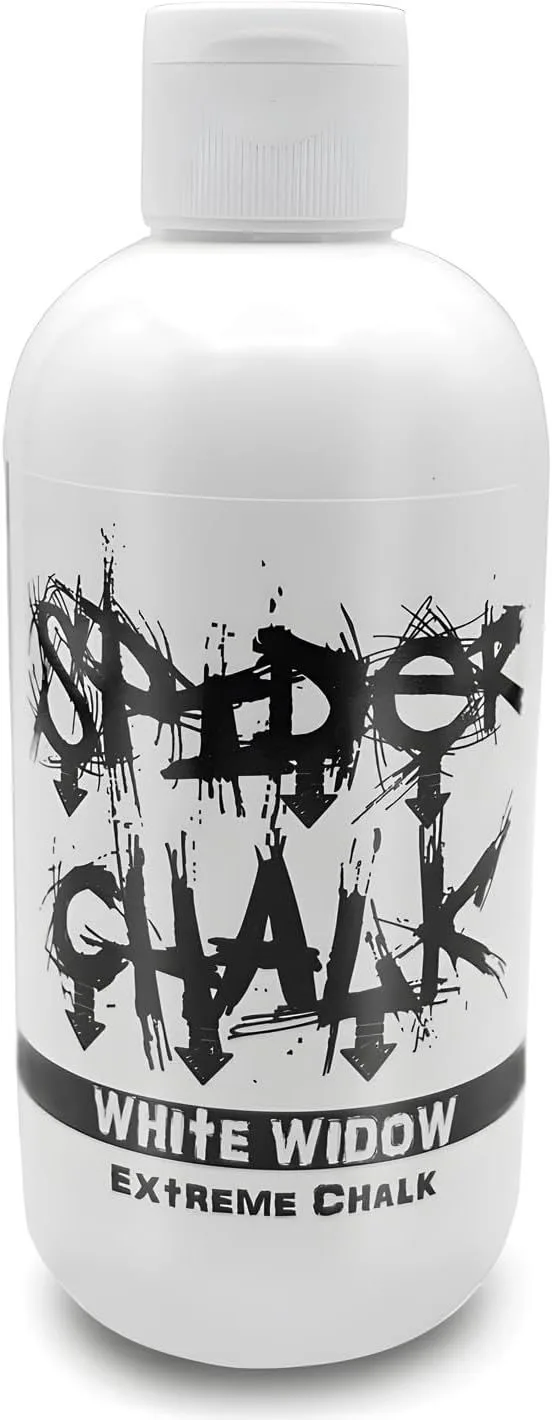
White Widow's 60-minute grip duration covers an entire competition session — from warm-ups through final events — without reapplication. The USAW and USAPL sanctioning adds confidence for multi-sport athletes who compete in both strongman and powerlifting. The nano-resin formula creates a tackier layer than standard magnesium carbonate, which helps on smooth axle surfaces.
At mid-range for its category, it is priced at the top of the category. For competition day, the extended grip justifies the investment — one application before your first event can carry you through three events.
Read our full Spider Chalk White Widow review →
2. Liquid Grip 8oz Bottle — Best Rosin-Enhanced Option
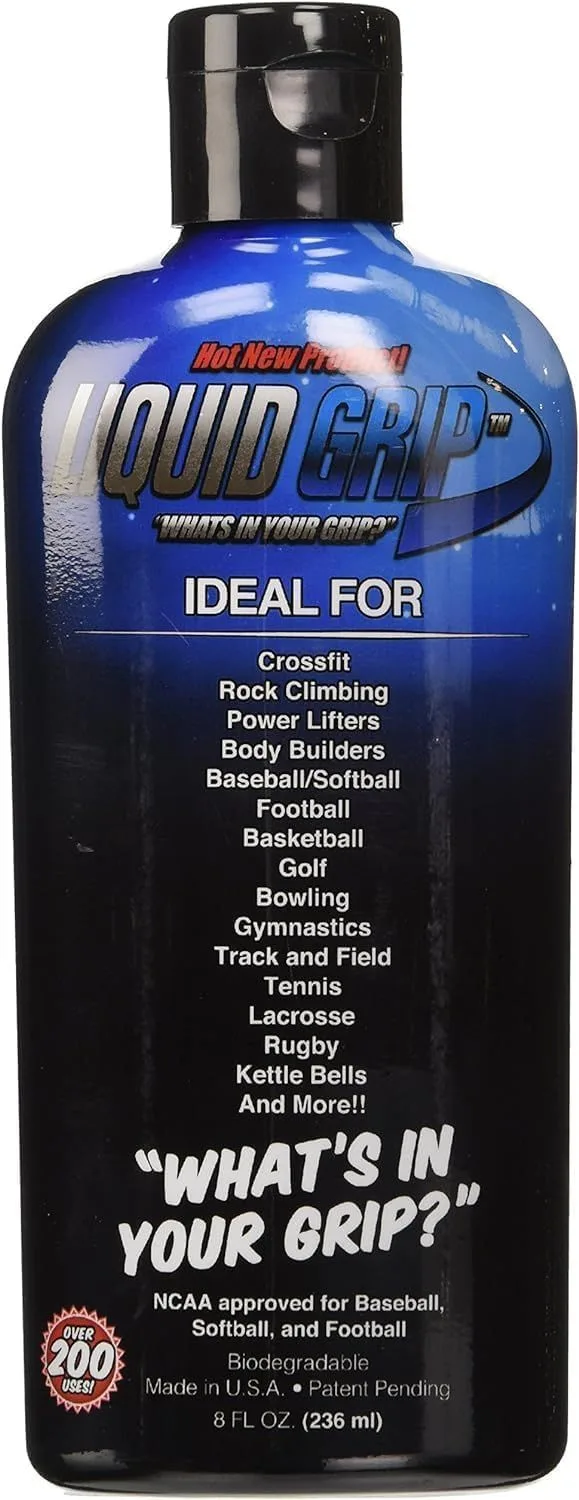
Liquid Grip's rosin-enhanced formula creates a tackier grip than pure magnesium carbonate products. For strongman events that involve smooth implements — axle bars, log handles, and farmer's walk handles — that extra tackiness translates to measurable grip improvement. The 45–60 minute duration covers most competition timeframes.
The mid-range for its category price point and thicker consistency require commitment, but for competition-focused strongman athletes, the rosin advantage is real.
Read our full Liquid Grip review →
3. SPORTMEDIQ Pro Grade Liquid Chalk — Best for Daily Training
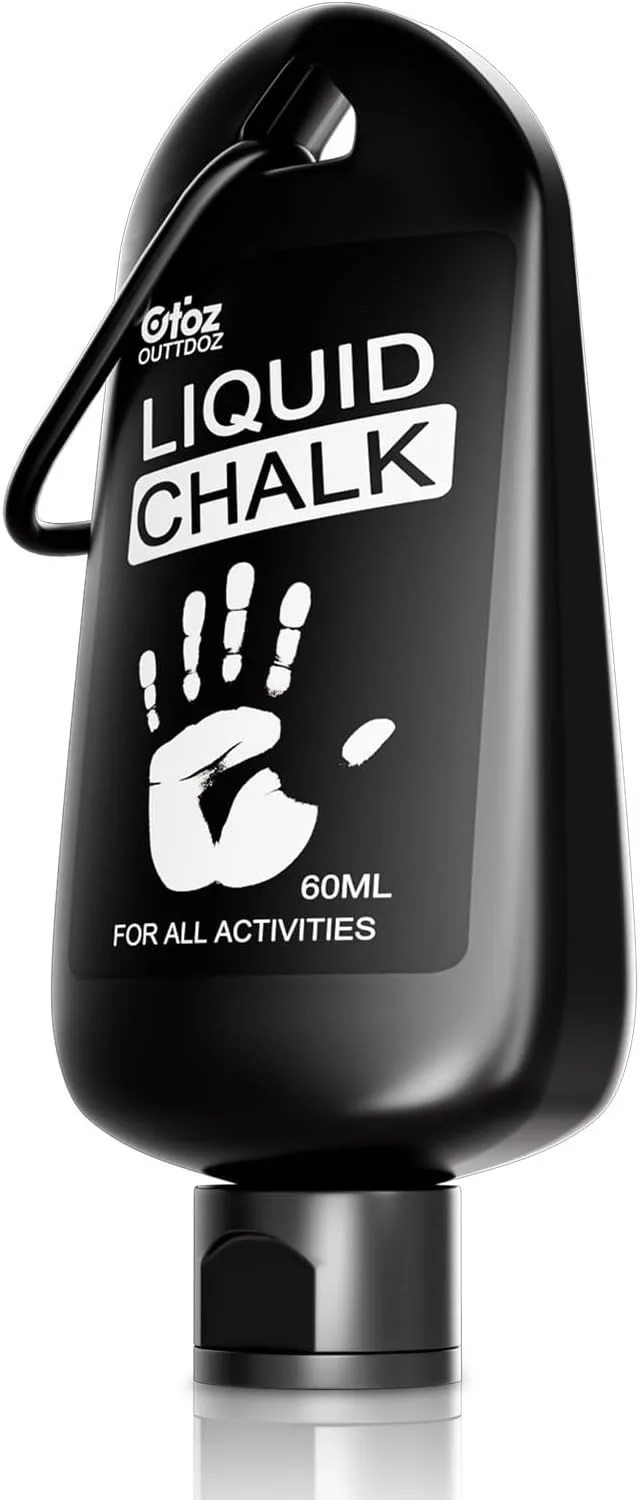
Strongman training sessions are long — 90 minutes to 2 hours of heavy implements, accessory work, and conditioning. The SPORTMEDIQ's 8.5 oz bottle handles that volume without running dry mid-training-block. The lotion-like consistency means fast, even application between sets. At mid-range for its category, the cost per session is among the lowest in our catalog.
Read our full SPORTMEDIQ Pro Grade review →
4. IRON AMERICAN Liquid Chalk Combo Kit — Best Combo for Training and Meets
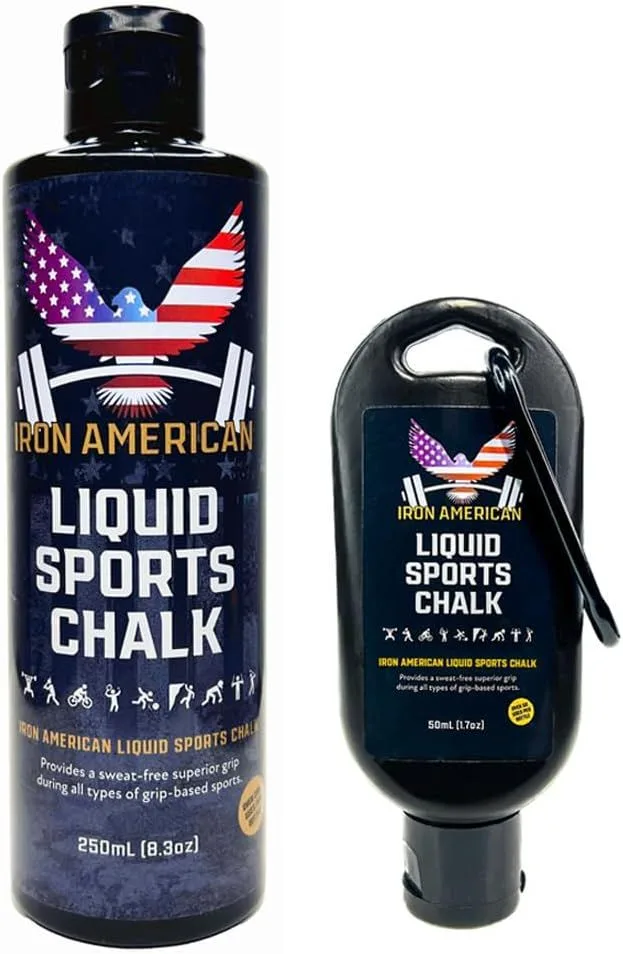
The IRON AMERICAN combo gives strongman athletes an 8.3 oz bottle for the home gym where you train implements, and a 1.7 oz travel bottle for meets and gym sessions. The lifetime warranty — rare for any chalk product — means replacements if either bottle fails. At above average for its category, the combo is priced well for a dual-bottle kit.
Read our full IRON AMERICAN Combo review →
5. PowerGrip 250ml Liquid Chalk — Best for Extended Sessions
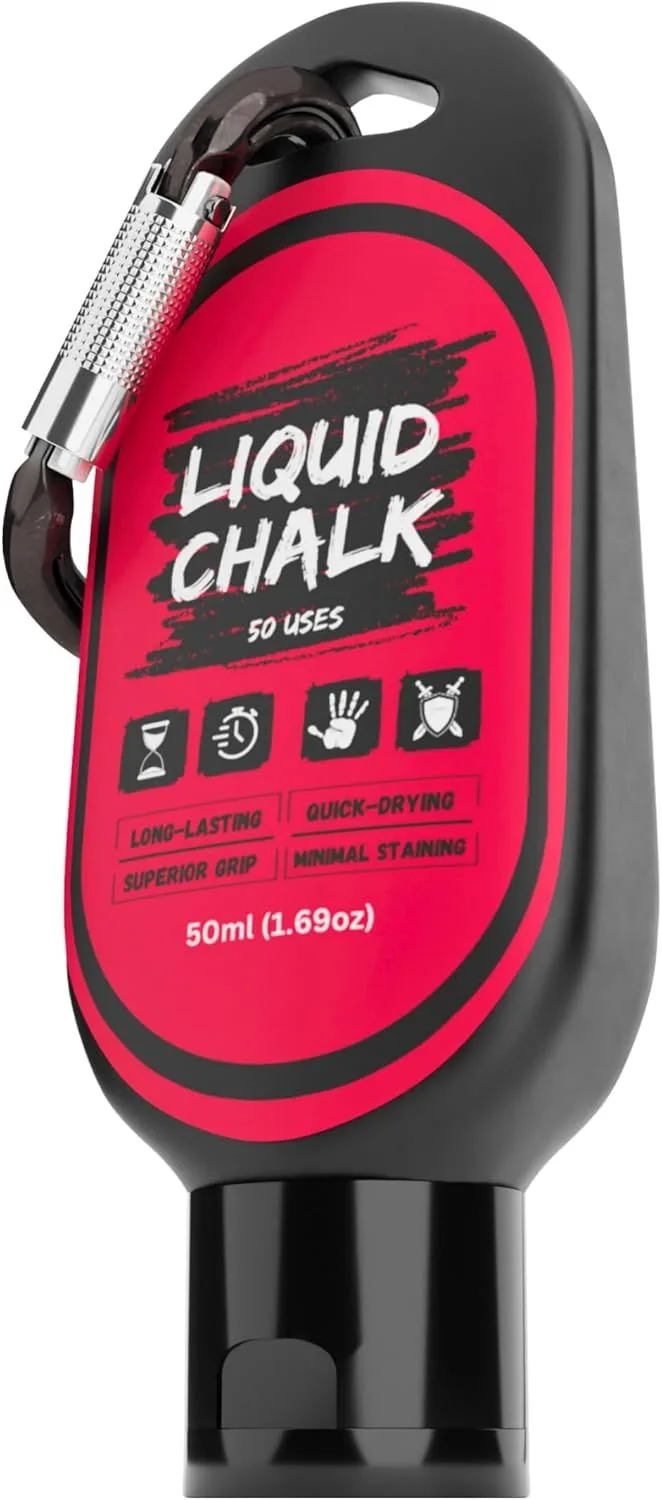
PowerGrip's honey and rosin formula provides a backup grip layer when the initial chalk starts wearing off — useful during 90-minute strongman training sessions where reapplication is not always convenient. The 250ml bottle at below average for its category lasts through weeks of heavy training.
Read our full PowerGrip 250ml review →
Competition Day Chalk Strategy
A typical strongman competition has 5–7 events spread over one or two days. Between events, you have 10–30 minutes to rest, warm up, and prepare. Here is how to plan your chalk usage across a full competition.
Before Event 1
Apply a fresh coat of liquid chalk in the warm-up area 3–5 minutes before your event starts. Let it dry fully. If your first event is an implement event (deadlift, farmer's walk, log press), this single application should carry you through the event.
Between Events
Wash your hands between events — especially between stone events and implement events. Tacky residue on your hands from stones will contaminate the next implement for you and other competitors. Clean hands, then fresh chalk.
Stone Events
Apply liquid chalk first, let it dry, then apply tacky over the top. The chalk manages moisture while the tacky provides adhesion to the stone surface. Some athletes also apply tacky to their inner forearms for the lapping phase.
Training Implements and Chalk Interaction
- Standard barbell (knurled): Moderate chalk needed. The knurling provides base friction that works with the chalk layer. Thin application works well.
- Axle bar (smooth): Heavy chalk needed. No knurling means the chalk layer is the sole friction source. Apply a thick coat and work it into the finger creases.
- Farmer's handles: Full palm coverage. Neutral grip loads the fingers and palm center. Chalk the thumb pad — it wraps over the handle and takes load during turns.
- Log handles: Standard coverage. The parallel handles inside a log are usually smooth steel. Focus chalk where your fingers close around the handle diameter.
- Yoke (crossbar): Minimal chalk needed. The yoke sits on your back, and your hands stabilize it from the sides. Chalk helps prevent the crossbar from sliding in your palms during the pick.
Strongman Athletes Ask
Is liquid chalk enough for atlas stones?
No. Atlas stones require tacky — a sticky adhesive product specifically designed for the porous concrete surface. Liquid chalk absorbs moisture but does not create the adhesive bond needed to lap and load a stone. Most strongman athletes use tacky on their forearms and chest for stones, and liquid chalk for events involving barbells, dumbbells, and handles.
Can I use liquid chalk and tacky together?
Yes, and many strongman competitors do exactly that. The common approach is liquid chalk on the hands as a base layer, with tacky applied over the top for stone events. The chalk layer manages moisture underneath while the tacky provides the adhesive grip. Between events, wash off the tacky and reapply fresh chalk for the next implement.
What strongman events benefit most from liquid chalk?
Farmer's walks, deadlift variations (axle, standard, car deadlift), log press during the clean phase, and any loading event that involves a handle or bar. These events require sustained grip against heavy loads over time — the exact scenario where liquid chalk excels. Events involving stones, sandbags, and kegs benefit more from tacky or bare-hand friction.
Do strongman federations allow liquid chalk?
Most major strongman federations — including World's Strongest Man, the Arnold Strongman Classic, and national-level competitions under Official Strongman Games — allow chalk in all forms. Some venue-specific rules may restrict powder chalk for cleanliness, making liquid chalk the practical choice. Always confirm with the promoter before competition day.
How do I chalk up for farmer's walks?
Apply liquid chalk to the full palm, finger creases, and thumb pad of both hands. Farmer's walk handles load the fingers and palm center differently than a barbell — the neutral grip position puts more stress on the finger flexors. After the chalk dries, close your hands into fists once or twice to work the chalk into the creases. This pre-compression prevents clumping when you grip the handles.
Gear Up for Your Next Competition
For strongman training, start with a large bottle like the SPORTMEDIQ Pro Grade for daily sessions. When competition day arrives, switch to the Spider Chalk White Widow for maximum grip duration across multiple events. Keep tacky separate for stones and odd objects.
Get Our Top 3 Picks
Get our top 3 picks for your budget — one email, then only updates.
Only when something changes. Unsubscribe anytime.