Liquid Chalk for Olympic Weightlifting: Snatch, Clean & Jerk, and the Hook Grip
Olympic weightlifting puts unique demands on grip that no other barbell sport matches. The snatch requires your hands to maintain contact through an explosive pull that accelerates the bar from floor to overhead in under a second. The clean demands a secure front rack position while the hook grip fights centrifugal force. Liquid chalk has become standard equipment in training halls and competition warm-up rooms worldwide — and IWF rules explicitly allow it.
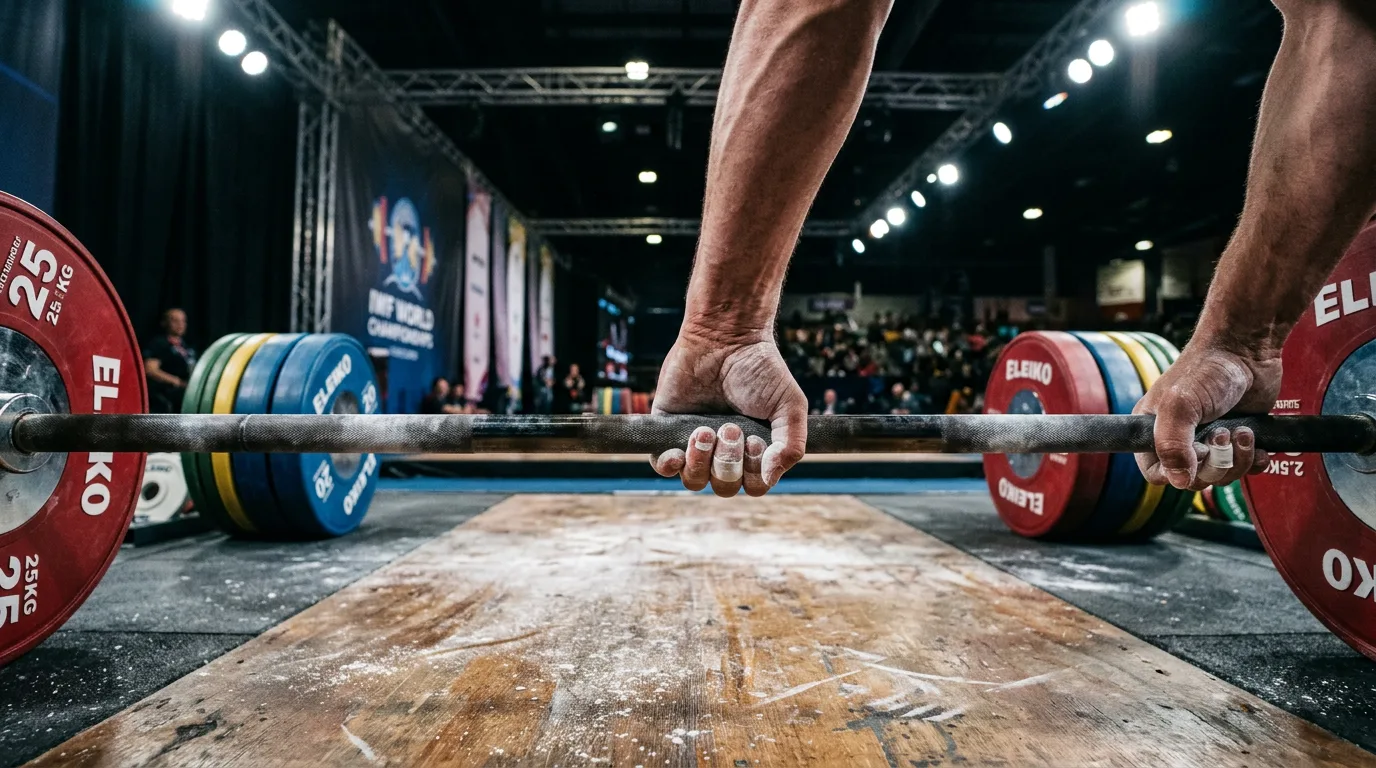
How Olympic Lifting Demands Differ from Other Barbell Sports
A powerlifter pulls a deadlift at a controlled tempo. An Olympic lifter pulls a snatch with explosive acceleration that generates forces well beyond the weight on the bar. At the point of maximum bar speed during the second pull, the effective load on your grip can exceed 2–3 times the barbell weight due to momentum and deceleration forces.
That explosive force means grip failure in Olympic lifting happens differently. In a deadlift, your fingers slowly open under sustained load. In a snatch, the bar rips free in a fraction of a second if your hook grip breaks. There is no recovery. The bar goes forward, the lift is missed, and you may have a new callus tear to show for it.
The hook grip — wrapping your thumb around the bar and trapping it under your index and middle fingers — is the standard solution. But the hook grip only works when friction between your thumb and the bar keeps the thumb locked in place. Sweat eliminates that friction. Chalk restores it.
The Hook Grip and Chalk: A Technical Breakdown
Your thumb pad is the critical contact surface in the hook grip. When the thumb wraps around the bar, the pad presses against the knurling at roughly a 90-degree angle to the pull direction. The index and middle fingers lock the thumb in place by pressing down on the thumbnail and the first joint.
Three contact points need chalk for the hook to hold:
- Thumb pad (inner surface): This is where the bar sits. If the thumb pad is sweaty, the bar slides and your thumb opens. Apply liquid chalk directly to the fleshy pad — not just the tip, but the full inner surface from the base of the thumbnail to the joint.
- Index finger (inner surface): The inside of your index finger presses down on the thumbnail. Chalk here prevents the finger from sliding off the thumb during the pull.
- Middle finger (inner surface): Works alongside the index finger to lock the thumb. Same application principle — the inner surface needs coverage.
Snatch Grip: Wide Hands, Long Contact Time
The snatch grip places your hands near the collar markings — much wider than a clean grip. This wider position spreads the load across more of your palm but reduces the mechanical advantage of your fingers. The bar sits deeper in the hand, closer to the finger-palm crease rather than the proximal phalanges.
For the snatch, apply liquid chalk across the full palm from the heel to the base of the fingers. The wide grip means the bar can shift laterally along your hand during the pull if your palms are sweaty. Full coverage prevents that lateral slide.
Many lifters also chalk the heel of the palm for the snatch overhead position. When you receive the bar overhead, the weight transitions from a pulling grip to a pressing grip — and the contact point shifts toward the heel. If that area is dry, the bar seats securely. If it is wet, the bar rolls backward toward your fingers and the lift goes behind you.
Clean Grip and Front Rack Considerations
The clean grip is narrower than the snatch — roughly shoulder width. The hook grip is used for the pull but released as you transition into the front rack. Here, chalk on your hands serves a secondary purpose: it creates friction between your fingers and the bar during the rack position, keeping the bar from rolling off your deltoids during the recovery from the squat.
For the jerk, most lifters do not need to re-chalk between the clean and the jerk unless they are a heavy sweater. The initial application covers both movements. If you do need to re-chalk, you have the brief pause between standing up from the clean and initiating the dip — but many competition platforms have strict timing rules that make mid-lift re-chalking impractical.
Platform etiquette: At IWF-sanctioned events, chalk is available on the warm-up platform. On the competition platform, you must have already chalked before your name is called. Do not bring a chalk bottle to the competition platform — it creates a delay that referees will penalize with a clock deduction.
Top Liquid Chalk Picks for Olympic Weightlifters
Olympic lifters need formulas with fast dry times (you re-chalk between attempts in the warm-up room), strong grip on knurled steel, and — for competitors — federation compliance. These five products are used by weightlifters from garage gyms to international platforms.
1. WARM BODY COLD MIND Liquid Chalk — The Lifter's Choice
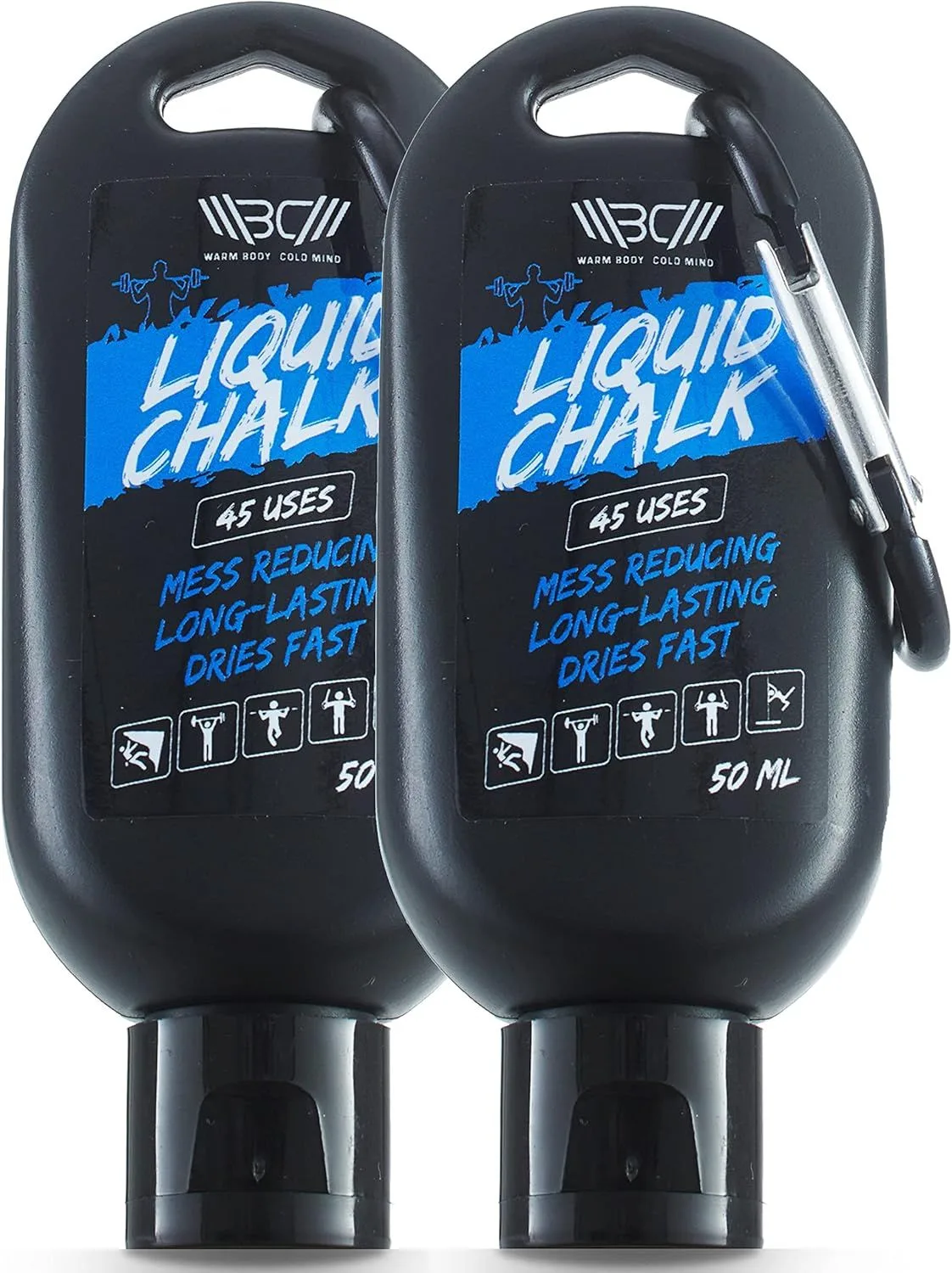
Designed by Olympic gold medalist Oleksiy Torokhtiy, WARM BODY COLD MIND uses 100% magnesium carbonate with no fillers. Torokhtiy's involvement is not marketing — the pure MgCO3 formula reflects how elite weightlifters have been chalking for decades. The twin 50ml pack means one stays in your gym bag and one stays in your locker or training area.
The 10–15 second dry time is among the fastest in our catalog, which matters in warm-up rooms where you may have 60 seconds between attempts. At one of the priciest in its class, the twin pack justifies the price for serious lifters who train and compete regularly.
Read our full WARM BODY COLD MIND review →
2. Spider Chalk White Widow 8oz — Maximum Grip Duration
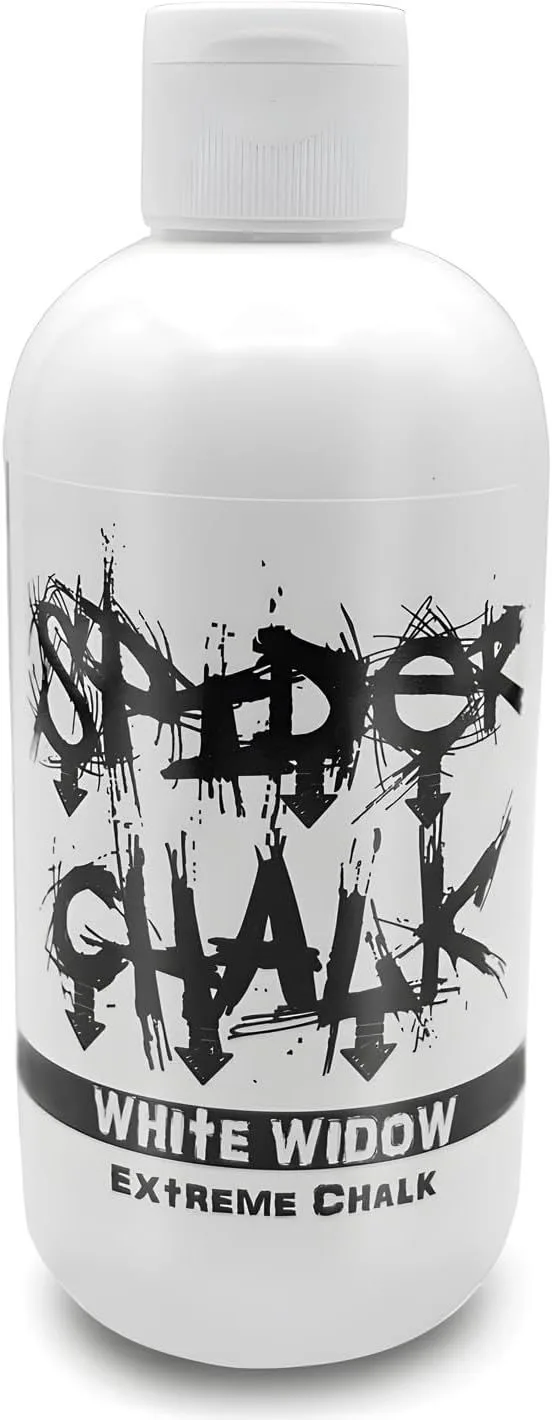
Spider Chalk White Widow is USAW and USAPL sanctioned, and the nano-resin Grip-Lock Technology provides up to 60 minutes of continuous grip. For training sessions where you are hitting snatches, cleans, pulls, and squats over 90+ minutes, the extended grip reduces the number of reapplications needed. The extra-thick formula takes 25–30 seconds to dry — slower than WARM BODY COLD MIND, but the grip payoff is longer.
At mid-range for its category, it is a premium investment. But for lifters who use chalk daily and value fewer interruptions, the 400+ applications per 8 oz bottle deliver strong value over time.
Read our full Spider Chalk White Widow review →
3. Liquid Grip 8oz Bottle — Competition-Approved Grip
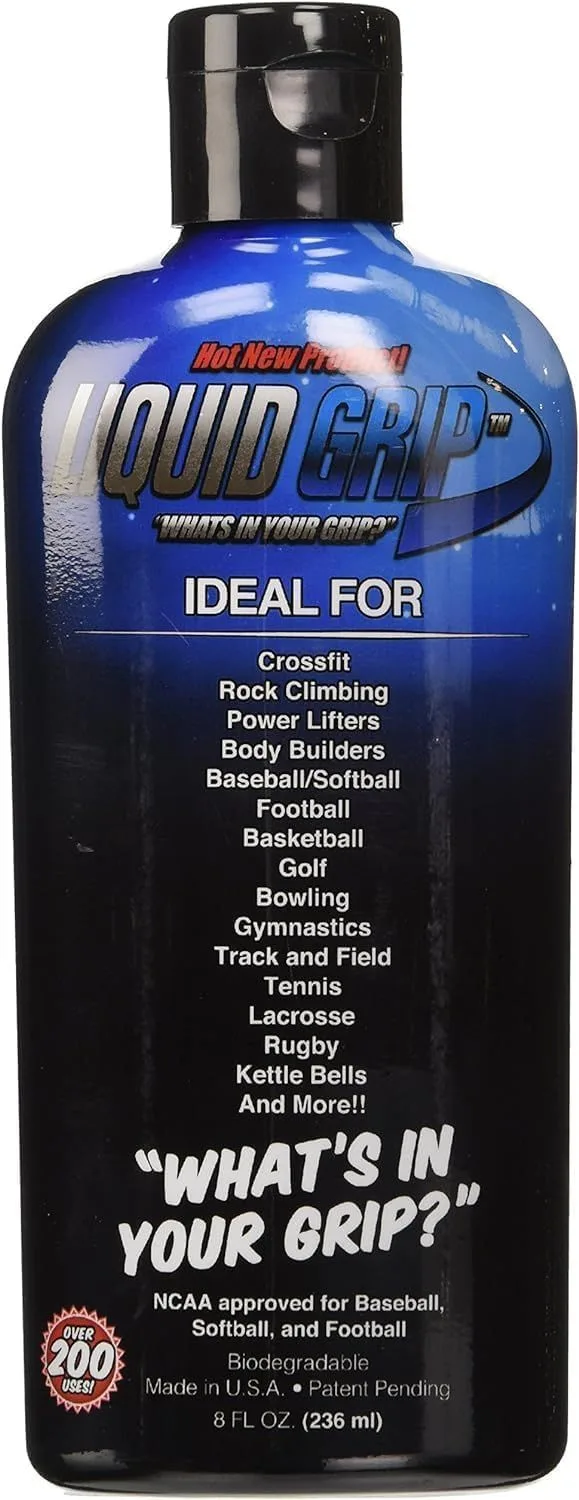
Liquid Grip is the only liquid chalk with written NCAA, NFHS, and ASA approval. While IWF allows all chalk forms, the Liquid Grip's rosin-enhanced formula provides a tackier grip than pure MgCO3 products — useful for lifters who want extra stick on the hook grip. The 45–60 minute grip duration covers even the longest training sessions without reapplication.
The mid-range for its category price point is justified for competition-focused lifters who move between sanctioned sports. The thicker consistency takes some adjustment but applies evenly with practice.
Read our full Liquid Grip review →
4. SPORTMEDIQ Pro Grade Liquid Chalk — Best Large Bottle for Training
The SPORTMEDIQ is the daily training workhorse. The 8.5 oz bottle at mid-range for its category means you are not rationing chalk during sessions. The lotion-like consistency spreads evenly and the light fragrance beats the harsh alcohol smell of competitors. For lifters who train 5–6 days per week and go through chalk fast, this is the volume play.
Grip duration of 30–45 minutes covers most training sessions. For max-out days, add a reapplication before your heaviest attempts.
Read our full SPORTMEDIQ Pro Grade review →
5. EVMT Brands Liquid Chalk — Best Budget Travel Bottle
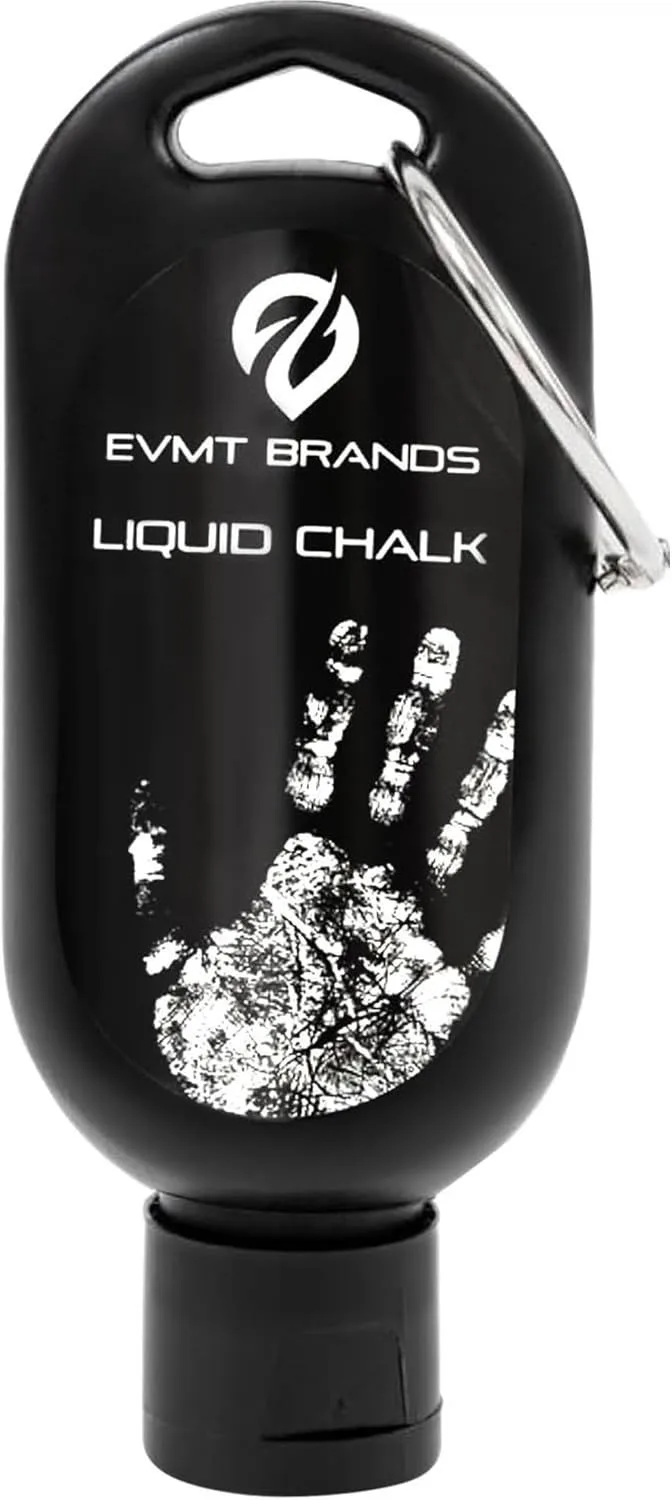
EVMT's 50ml Weightlifting variant is tuned for barbell work and travels easily to competition venues. At above average for its category, it is an easy addition to your warm-up kit. The 10–15 second dry time is fast enough for between-attempt application in the warm-up room. Over 3,100 reviews confirm the formula's reliability across a wide range of sports and conditions.
Read our full EVMT Brands review →
Competition Day Chalk Protocol
IWF and USAW competition formats give you a set clock once your name is called. You must approach the bar and begin your attempt within that window. There is no time to chalk up on the platform — you need to be ready.
Warm-Up Room Strategy
Apply liquid chalk before your first warm-up attempt and let it dry fully. Most lifters get 4–6 warm-up attempts before their opening attempt on the competition platform. A quality liquid chalk lasts 30–45 minutes — enough to cover the warm-up sequence without reapplication.
Before your final warm-up attempt (the one closest to your opener), apply a fresh coat. This ensures maximum grip for when you walk out to the competition platform. Time the application so the chalk is fully dry when your name is called.
Between Snatch and Clean & Jerk
There is typically a 10-minute break between the snatch session and the clean & jerk session. Use this time to wash your hands completely, dry them, and apply a fresh layer of liquid chalk. Starting the clean & jerk with a clean application — rather than layering over the residue of 6+ snatch attempts — gives you better grip for the heavier loads that come with the clean & jerk.
Training Hall Tips for Olympic Lifters
- Chalk and bar knurling work together. Aggressive knurling (like Eleiko competition bars) requires less chalk than passive knurling (like most gym barbells). Match your application thickness to the bar you are using.
- Hot hands after complexes. Olympic lifting complexes (snatch + overhead squat, clean + front squat + jerk) generate significant hand heat. The warmer your hands, the faster chalk breaks down. For complexes, apply a slightly thicker layer than you would for singles.
- Jerk blocks and clean pulls. Accessory work like jerk blocks and clean pulls from the hang still benefit from chalk. The grip demands are lower than full lifts, but a dry hand on a loaded bar is always safer than a sweaty one.
- Keep the bottle away from the platform. Liquid chalk bottles near the barbell area get kicked, stepped on, and spilled. Store yours in your gym bag and walk over to apply. A shattered bottle mid-session wastes your chalk and creates a slip hazard on the platform.
Weightlifter FAQ
Does the IWF allow liquid chalk in competition?
The International Weightlifting Federation allows chalk in all forms — powder, block, and liquid. IWF Technical and Competition Rules state that athletes may use "magnesium" on their hands and thighs. Liquid chalk qualifies. Many international platforms now prefer liquid because it generates less airborne dust for TV broadcasts.
Can liquid chalk handle the hook grip?
Yes. Liquid chalk dries to a thin grip layer that works under the compressed thumb position of the hook grip. The key is applying chalk specifically to the thumb pad and the inside surface of your index and middle fingers — the three contact points where the hook locks. Some lifters add a second layer on the thumb because it bears the highest friction load.
How does liquid chalk compare to chalk blocks for Olympic lifts?
Block chalk leaves thicker deposits but creates dust clouds. Liquid chalk provides a cleaner, more even layer that dries in 15–25 seconds. For the snatch, liquid chalk offers slightly less raw grip than a heavy chalk-block coating, but the difference matters only at the heaviest attempts. For training, liquid chalk is more practical and gym-friendly.
Should I chalk my thighs for the snatch?
Many Olympic lifters chalk their thighs (quadriceps area) to create a controlled slide point during the snatch pull. Liquid chalk works for this but is harder to apply over body hair compared to a chalk block. Some lifters use liquid chalk on their hands and block chalk on their thighs as a compromise. In competition, chalking thighs is explicitly allowed by IWF rules.
Why do some lifters mix liquid chalk with block chalk?
The base-and-top strategy: liquid chalk goes on first as a moisture barrier that bonds to the skin, then a light dusting of block chalk goes on top for extra friction. The liquid base prevents the block chalk from being absorbed by sweat immediately. This combo is common among elite lifters at national and international competitions where maximum-effort attempts require peak grip.
Equip Your Training Hall
For most Olympic weightlifters, the WARM BODY COLD MIND twin pack is the natural starting point — it was designed by an Olympic champion for exactly this sport. Pair it with a large bottle like the SPORTMEDIQ Pro Grade for high-volume training blocks, and you are covered for both daily training and competition prep.
Get Our Top 3 Picks
Get our top 3 picks for your budget — one email, then only updates.
Only when something changes. Unsubscribe anytime.