Liquid Chalk for Softball: Batting Grip, Pitching Control, and League Rules
Softball bats are lighter than baseball bats, which means bat speed matters more — and a sweaty grip robs you of the control needed to direct that speed. A 27-ounce bat moving through the zone at 70 mph generates less inertia than a 33-ounce baseball bat, so any handle slip translates directly into a mis-hit. Liquid chalk keeps your hands dry and locked on the handle from first pitch to last swing. This guide covers batting grip, pitching practice, fielding applications, and the NCAA, ASA, and high school rules around grip substances.
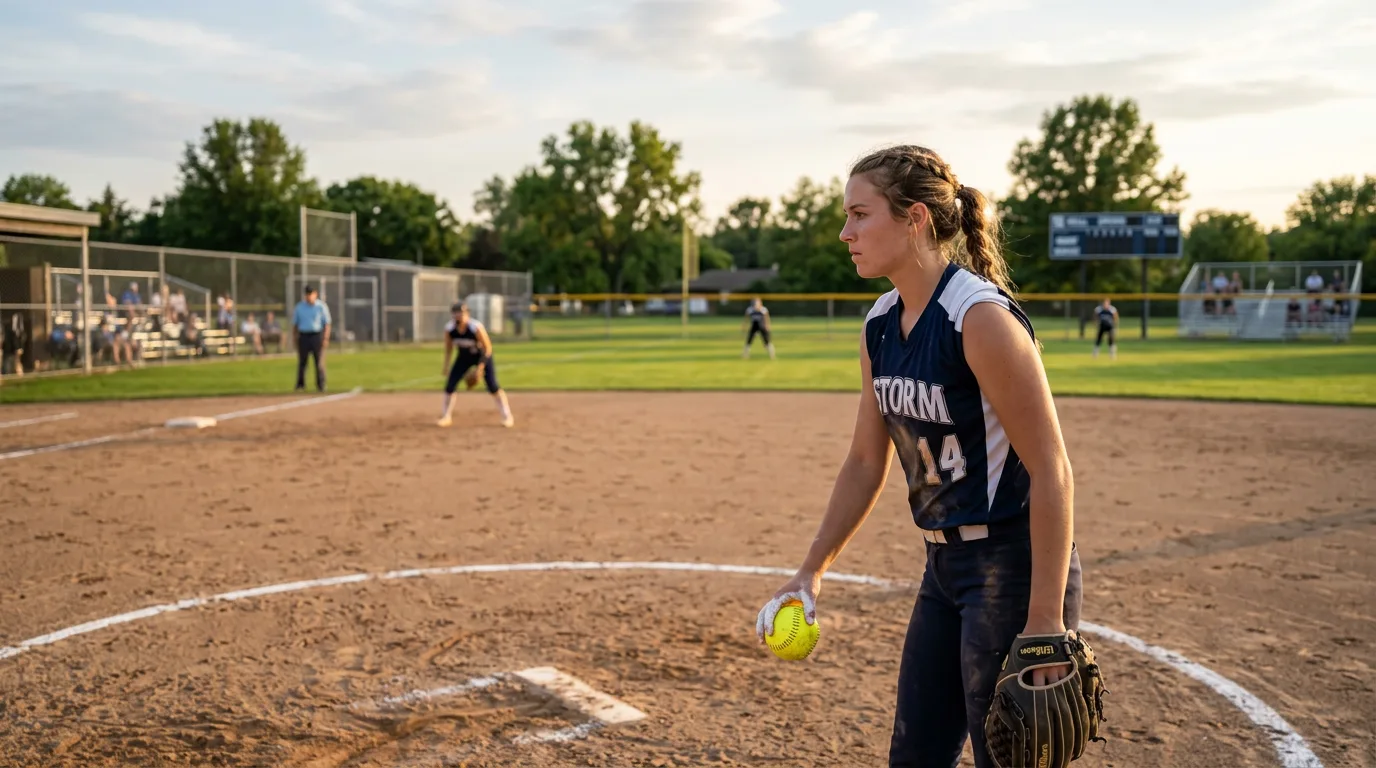
How Grip Affects the Softball Swing
The softball swing is a rotational movement driven by the hips and core, transmitted through the hands to the bat. Your bottom hand generates the primary grip force — it squeezes the handle and controls the bat path through the zone. Your top hand guides direction and adds snap at contact. When the bottom hand slips, the bat face opens or closes unpredictably. When the top hand slips, you lose the wrist snap that creates backspin and line-drive trajectory.
In fastpitch softball, pitch speeds reach 65-75 mph at the college level, arriving from 43 feet (compared to 60.5 feet in baseball). The reaction time is actually shorter than in baseball — roughly 0.35 seconds from pitch release to the contact zone. In that fraction of a second, your hands cannot re-adjust a sliding grip. The grip you have when the pitch arrives is the grip you swing with. Any moisture-driven slip at that moment costs you bat angle precision.
Slowpitch softball uses a different swing mechanic — the arc trajectory allows more loading time, and the bat moves through a longer path. But the grip demands are still real: a heavy aluminum slowpitch bat at full extension generates centrifugal force that pulls the handle out of sweaty hands. Summer tournament doubleheaders in 90-degree heat are where bat slip becomes dangerous, not just inconvenient.
Rules and Regulations
USA Softball (ASA)
ASA rules govern most adult recreational and competitive slowpitch leagues in the United States. The rules permit grip substances on the bat handle, including pine tar, rosin, and similar products. Liquid chalk is not explicitly named but falls within the category of grip-enhancing substances applied to the hands. For pitchers, only the rosin bag is permitted during game play — any additional substance on the pitching hand is a foreign substance violation.
In practice: most ASA umpires are not inspecting batters' hands for chalk. The concern is substances on the ball, not on the bat handle. Apply liquid chalk to your hands (not the bat), let it dry before entering the box, and you will not draw attention from officials.
NCAA Softball
NCAA rules allow pine tar and approved grip substances on the bat handle within the grip zone. Liquid chalk applied to the hands rather than the bat is functionally equivalent to rosin — both are drying agents that improve friction. Pitchers are restricted to the rosin bag on the mound circle. For batters, the practical guidance is the same as ASA: apply to hands, let it dry, and bat normally.
Conference-specific rules may add restrictions. Before the season, confirm with your compliance office that liquid chalk is acceptable for game use in your conference.
NFHS (High School)
High school softball follows NFHS rules, which allow pine tar and similar substances on the bat handle. Liquid chalk on the batter's hands is not prohibited. Pitchers are limited to the rosin bag. State athletic associations may have additional guidance — check your state's rules supplement before using liquid chalk in a varsity game.
Recreational and Slowpitch Leagues
Rec leagues and adult slowpitch leagues almost never restrict grip substances for batters. Liquid chalk is welcome and practical — it keeps shared bats clean (no pine tar buildup) and works in the outdoor heat that defines summer league play. Many slowpitch players have never considered a grip aid, but one application before an at-bat in July humidity makes an obvious difference in bat control.
Shared bat etiquette: Softball teams share bats more than baseball teams do — especially in slowpitch and youth fastpitch. Liquid chalk on your hands does not leave sticky residue on the bat handle the way pine tar does. When the next batter picks up the bat, they get a clean handle. This makes liquid chalk the most team-friendly grip solution for shared equipment.
Position-Specific Application
Batting (Fastpitch)
Apply liquid chalk to both palms, focusing on the finger surfaces that wrap around the handle and the heel of the palm on the bottom hand. Let it dry completely before putting on batting gloves (if you wear them). The key area for fastpitch hitters is the bottom hand — this is where grip failure costs the most in bat angle and power transfer. For bare-hand hitters, chalk the full palm surface plus the first two knuckles of each finger.
Timing: apply in the on-deck circle. By the time you reach the box and swing through warm-up cuts, the chalk is fully dry and you have maximum grip. Do not apply in the dugout and then sit for two batters — the chalk starts absorbing hand moisture the moment it dries, and waiting 10 minutes before your at-bat wastes absorption capacity.
Batting (Slowpitch)
Slowpitch swings generate more centrifugal force at the end of the bat because the swing arc is longer and bat weights are heavier. The bottom hand and the heel of the top hand are the primary grip zones. Chalk both thoroughly. In tournament play with multiple games per day, carry your chalk bottle to the on-deck area for reapplication between games. A fresh application before each game maintains consistent grip across a six-game tournament day.
Pitching (Practice Sessions)
Fastpitch pitchers need fingertip grip on the ball for spin control. A changeup, riseball, or drop curve all depend on precise finger placement and release. In practice, liquid chalk on the fingertips improves ball grip without the gritty texture of rosin. Apply to the fingertips and thumb pad of the pitching hand only — avoid the palm, which does not contact the ball during the windmill delivery. The chalk dries clear on fingertips and does not leave visible residue on the ball.
For game situations, stick to the rosin bag. Keep your liquid chalk in the dugout for between-inning refreshes during practice games and scrimmages.
Fielding and Throwing
Infielders making bare-hand plays on bunts and slow rollers need dry hands for a secure grip-and-throw in one motion. Liquid chalk on the throwing hand prevents the ball from slipping during the release, which keeps throws accurate. Apply between innings — one application covers 3-5 outs of fielding activity before the chalk layer wears down from repeated ball contact.
Catchers benefit from liquid chalk on the throwing hand for snap throws to second and third. The ball-to-bare-hand transfer during a steal attempt requires a secure grip in under 0.3 seconds — any palm moisture delays the release. A quick chalk application between innings keeps the throwing hand dry through the defensive half.
Best Liquid Chalk Picks for Softball
Softball demands a compact bottle (dugout bags have limited space), fast dry time (between-inning windows are short), and durability in outdoor heat. These five formulas meet the diamond environment.
1. EVMT Brands Liquid Chalk — Best Dugout Bottle
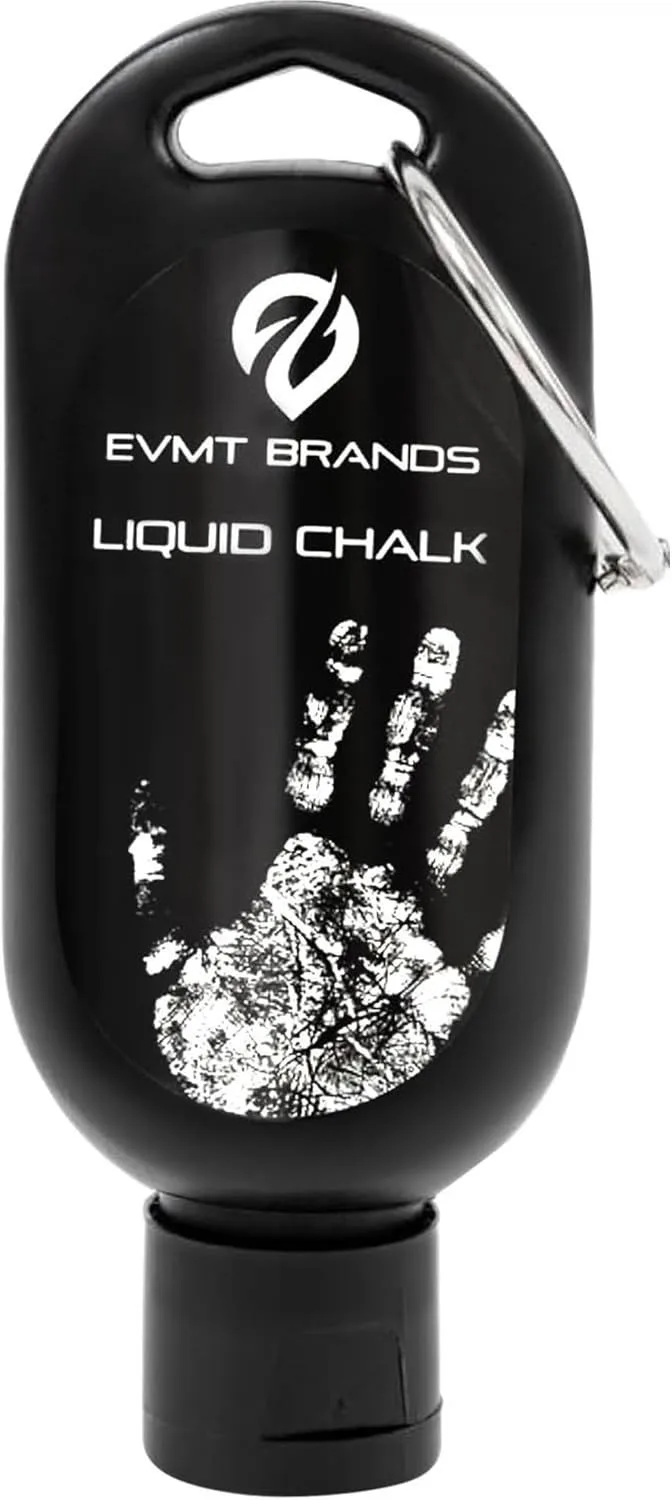
The EVMT 50ml bottle fits in a dugout bag side pocket, a bat bag compartment, or a back pocket. The 10-15 second dry time is fast enough for on-deck application between pitches. At above average for its category, one bottle lasts a casual player an entire season. The minimal residue means no white marks on dark bat handles or uniforms. For fastpitch players who need to chalk-and-go between innings, this is the fastest, most portable option.
Read our full EVMT Brands review →
2. Chalkless Grip Enhancer CLEAR — Invisible on Equipment
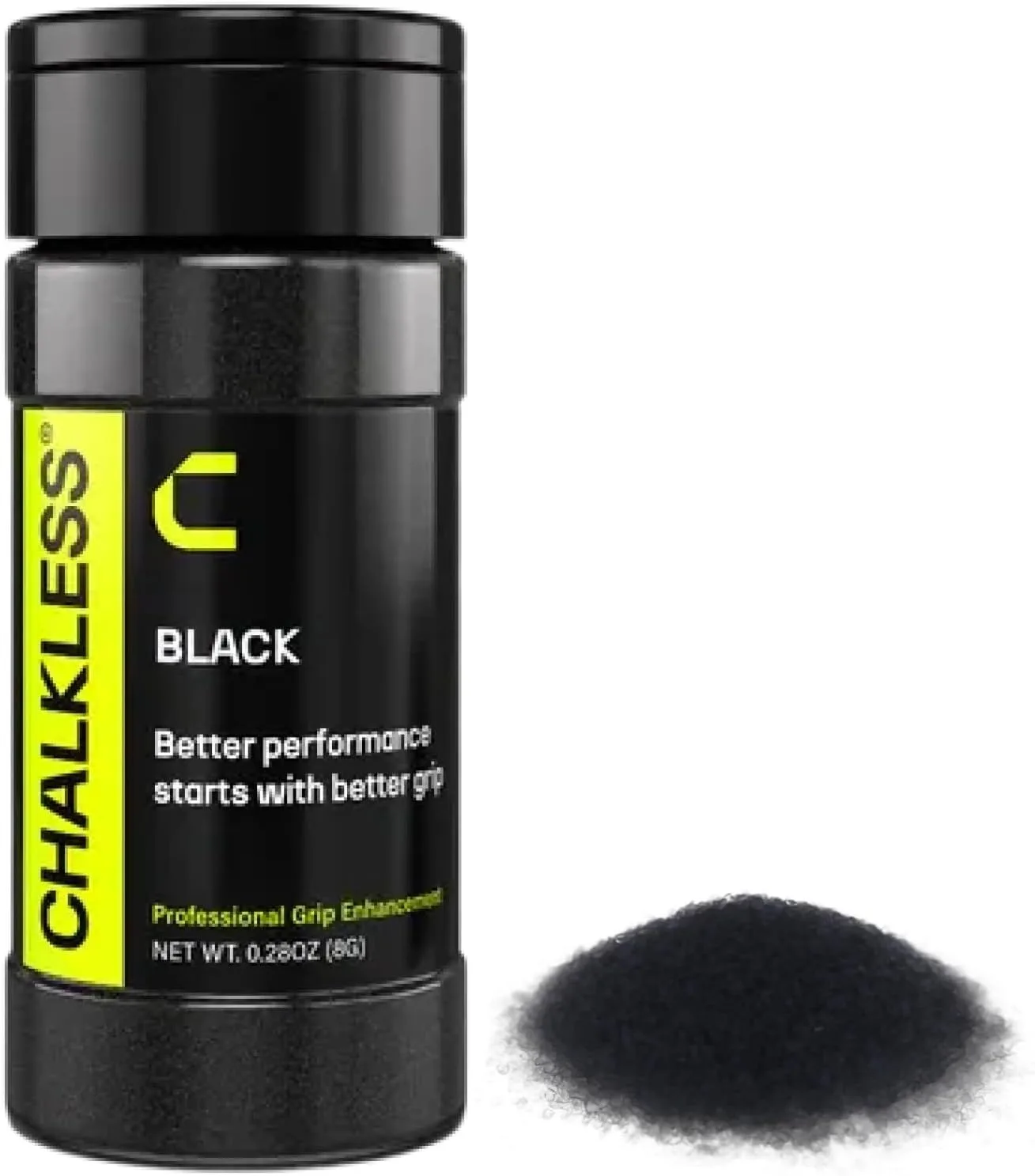
For players concerned about chalk residue on bats, gloves, or uniforms, the Chalkless CLEAR leaves zero visible trace. No white handprints on your navy jersey. No chalky film on the bat handle. No residue that an umpire could question. At mid-range for its category, the per-application cost is the highest in our lineup, but the invisible formula eliminates every aesthetic and rule-compliance concern. The silica-based grip works differently than magnesium carbonate — it creates friction through micro-particles rather than moisture absorption.
Read our full Chalkless CLEAR review →
3. Liquid Grip 8oz Bottle — Best for Summer Tournament Heat
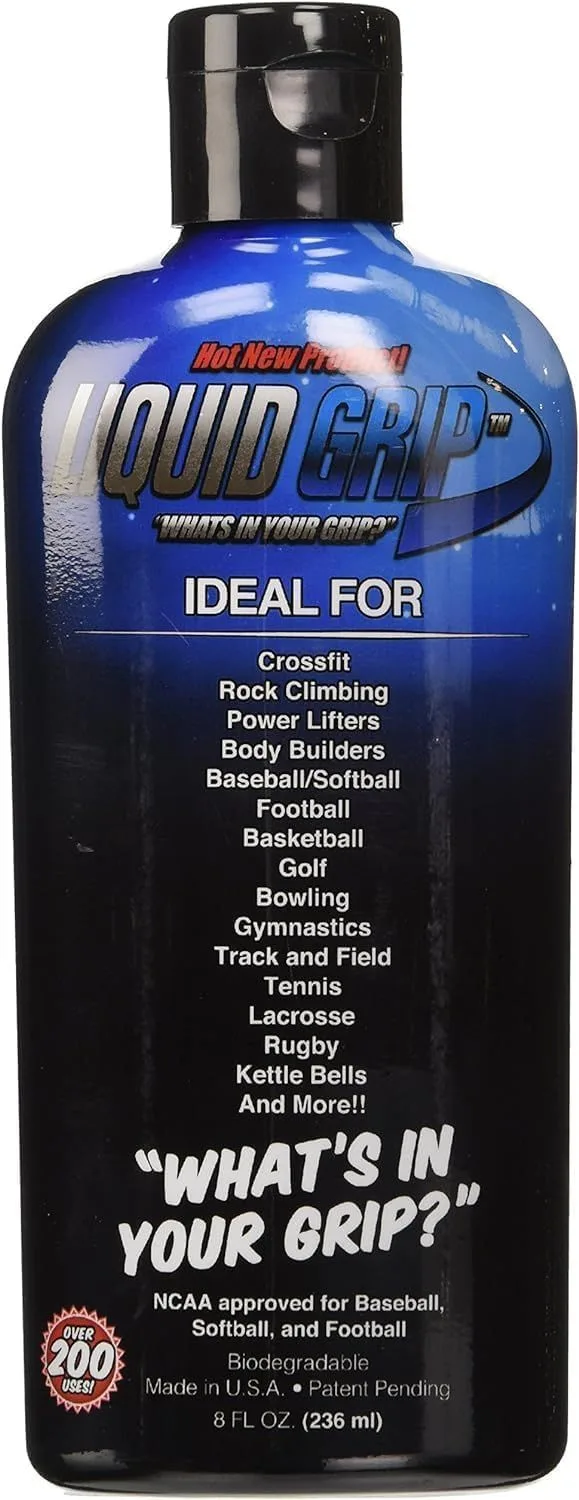
Summer softball tournaments mean 95-degree first pitches and doubleheaders where your grip degrades by the fourth inning. Liquid Grip's resin-based film was designed for sustained outdoor heat exposure. The film maintains friction even as your palms produce moisture — it does not wash away the same way magnesium carbonate does. At mid-range for its category, one bottle handles a full tournament weekend. Apply once per game for batting practice and reapply before each game's first at-bat.
Read our full Liquid Grip review →
4. Medi Chalk Liquid Chalk — Best for Team Sharing
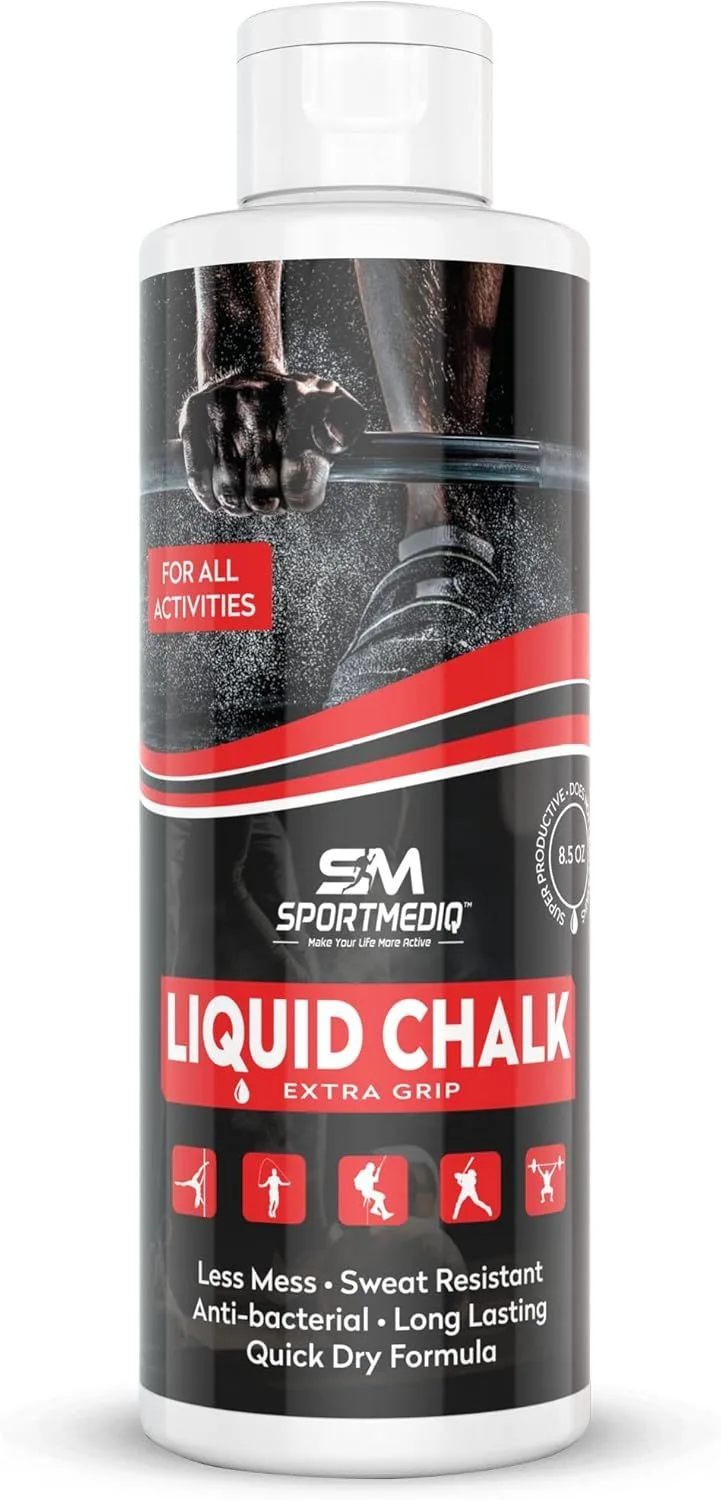
Youth fastpitch and travel ball teams need affordable, shareable grip solutions. The Medi Chalk at mid-range for its category is the most budget-friendly option for a team. The carabiner clip hangs from a dugout fence or bat bag zipper for easy team access. The squeeze tube dispenses small, controlled amounts — important when 12 players are sharing one bottle. One bottle serves a team for 2-3 games before needing replacement. For travel ball parents, this is a low-cost team supply item.
Read our full Medi Chalk review →
5. SPORTMEDIQ Pro Grade Liquid Chalk — Best for Coaching Staffs and Facilities
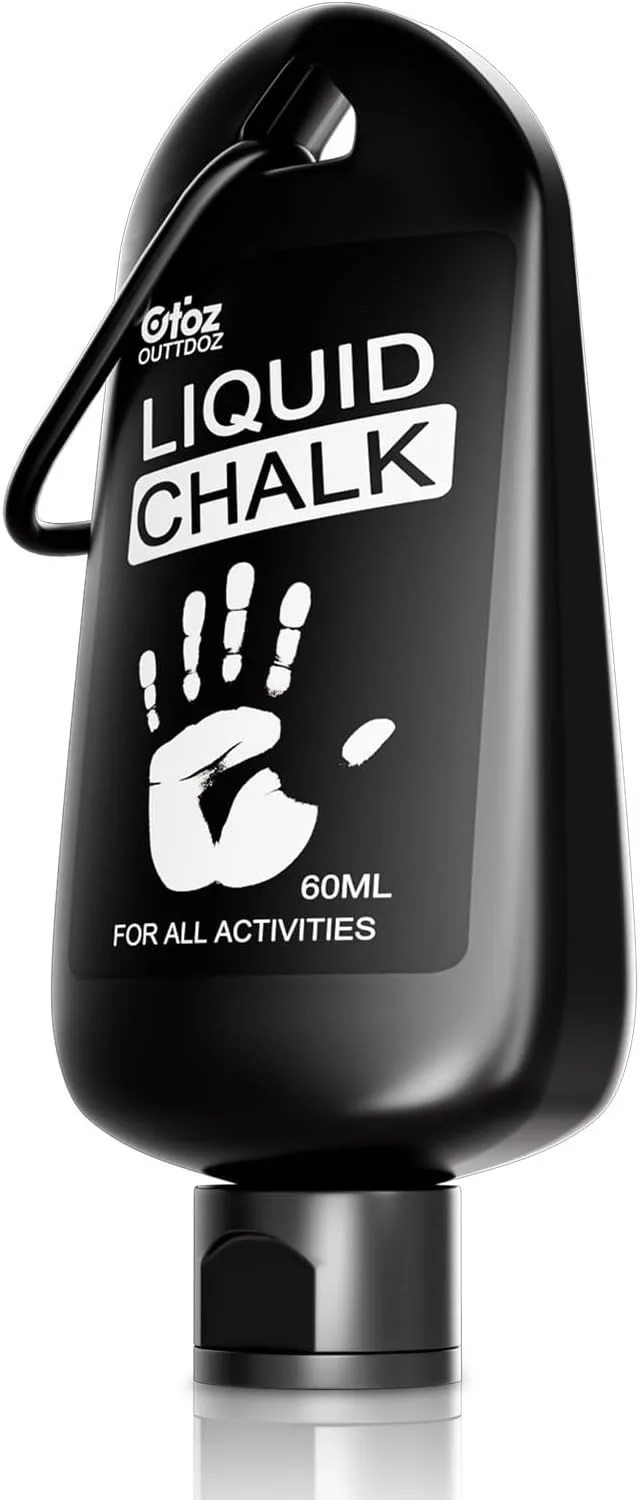
For team facilities with a batting cage, bullpen, and indoor training area, the SPORTMEDIQ large bottle at mid-range for its category serves as the communal grip station. The 8.5 oz volume handles an entire team's daily practice for months. The pump bottle sits on a shelf by the cage entrance — players chalk before cage rounds and before bullpen sessions. The lotion consistency applies cleanly for multiple users without mess, and the formula works across all softball activities: hitting, pitching practice, and fielding drills.
Read our full SPORTMEDIQ Pro Grade review →
Game Day vs. Practice Use
Practice (No Restrictions)
During practice, liquid chalk is unrestricted at every level. Use it freely for cage work, tee work, soft toss, live batting practice, bullpen sessions, and fielding drills. Practice is the best time to develop the habit of chalking before swings — building the muscle memory of a consistent grip routine that carries into games.
Games (Know Your League)
For games: if your league allows pine tar or rosin for batters, liquid chalk is functionally equivalent and universally accepted. If you are unsure, ask the umpire before the game — a 30-second conversation prevents a mid-game delay. For pitchers, use only the rosin bag during games regardless of league level. Keep your liquid chalk in the dugout for between-inning maintenance during practice and scrimmage settings.
Cage work barehand trick: For indoor cage sessions, skip the batting gloves and use liquid chalk on bare hands. The direct bat-to-skin contact develops grip strength and bat feel that gloves mask. Chalk keeps your hands dry enough for 30-40 full swings per application. Many college fastpitch coaches use this approach in fall workouts to build hand strength and barrel awareness in their hitters.
Softball Grip: Answers to Common Questions
Is liquid chalk legal in NCAA softball?
NCAA softball rules allow grip-enhancing substances on the bat handle. Liquid chalk is not specifically listed as an approved or banned substance, but it functions the same way as pine tar and rosin — both of which are permitted. For pitchers, only the rosin bag is sanctioned for in-game use. Check with your conference or umpire crew before using liquid chalk in an NCAA game to avoid a delay or equipment inspection.
Can softball pitchers use liquid chalk?
During games, most softball leagues restrict pitchers to the rosin bag. Liquid chalk applied to the pitching hand would be considered a foreign substance under USA Softball (ASA), NCAA, and NFHS rules. During practice and bullpen sessions, liquid chalk is fine for improving grip on the ball and developing pitch control without the texture of rosin. Keep the bottle in the dugout, not on the pitching circle.
Does liquid chalk work with softball batting gloves?
Yes, but the benefit is different than bare-hand use. Applied under batting gloves, liquid chalk prevents the internal glove slip caused by sweaty palms — your hand stays anchored inside the glove rather than sliding during the swing. This improves bat control and reduces the need to re-grip between pitches. Applied to the outside of gloves, chalk provides additional friction on the bat handle. Some players alternate: bare hands with chalk for cage work, gloves for games.
How often should I reapply during a softball game?
Reapply before each at-bat and once between defensive innings. A single application lasts about 15-25 minutes depending on the formula and temperature. Softball games move faster than baseball, so you may only need 3-5 applications per game. In tournament play with back-to-back games, carry enough chalk for 8-10 applications per day. Between at-bats, a quick wipe on your pants or towel plus a fresh application takes under 20 seconds.
Is liquid chalk better than pine tar for softball bats?
Pine tar provides a stickier, longer-lasting grip than liquid chalk. A batter who applies pine tar to the bat handle once per game will maintain adhesion through 4-5 at-bats. Liquid chalk provides friction through dryness — it prevents slipping but does not create the adhesive bond that pine tar does. The advantage of liquid chalk: no sticky buildup on the bat handle, no residue on uniforms, and easy sharing of bats among teammates without transferring tacky material. For casual and recreational play, liquid chalk is the cleaner, more practical option.
Can I use liquid chalk in slowpitch softball?
Absolutely. Slowpitch rec leagues rarely have substance restrictions beyond common sense. Liquid chalk is a clean, non-messy grip aid that works on aluminum and composite bats alike. For slowpitch leagues that play in summer heat, liquid chalk prevents the bat handle from becoming a wet, slippery problem during doubleheaders. Apply before your at-bat, and the grip lasts through your entire plate appearance and base running.
Secure Your Swing This Season
For most softball players, the EVMT Brands covers game-day and practice needs in one compact bottle. For summer tournament players battling heat and humidity, the Liquid Grip film holds up in the worst conditions. And for youth teams sharing bats and looking for a clean, affordable grip solution, the Medi Chalk is the team-friendly pick.
Get Our Top 3 Picks
Get our top 3 picks for your budget — one email, then only updates.
Only when something changes. Unsubscribe anytime.