Liquid Chalk for Baseball: Bat Grip, Fielding, and the Rules You Need to Know
Baseball and grip aids have a complicated relationship. Pine tar, rosin bags, and sticky stuff generate headlines and ejections. Liquid chalk sits in a different category — it creates grip through dryness, not adhesion, making it a practical training tool and a viable game-day option for batters in many leagues. But the rules matter, and they vary by level. This guide breaks down where liquid chalk fits in the game, how to apply it for batting and fielding, and which formulas work best on the diamond.
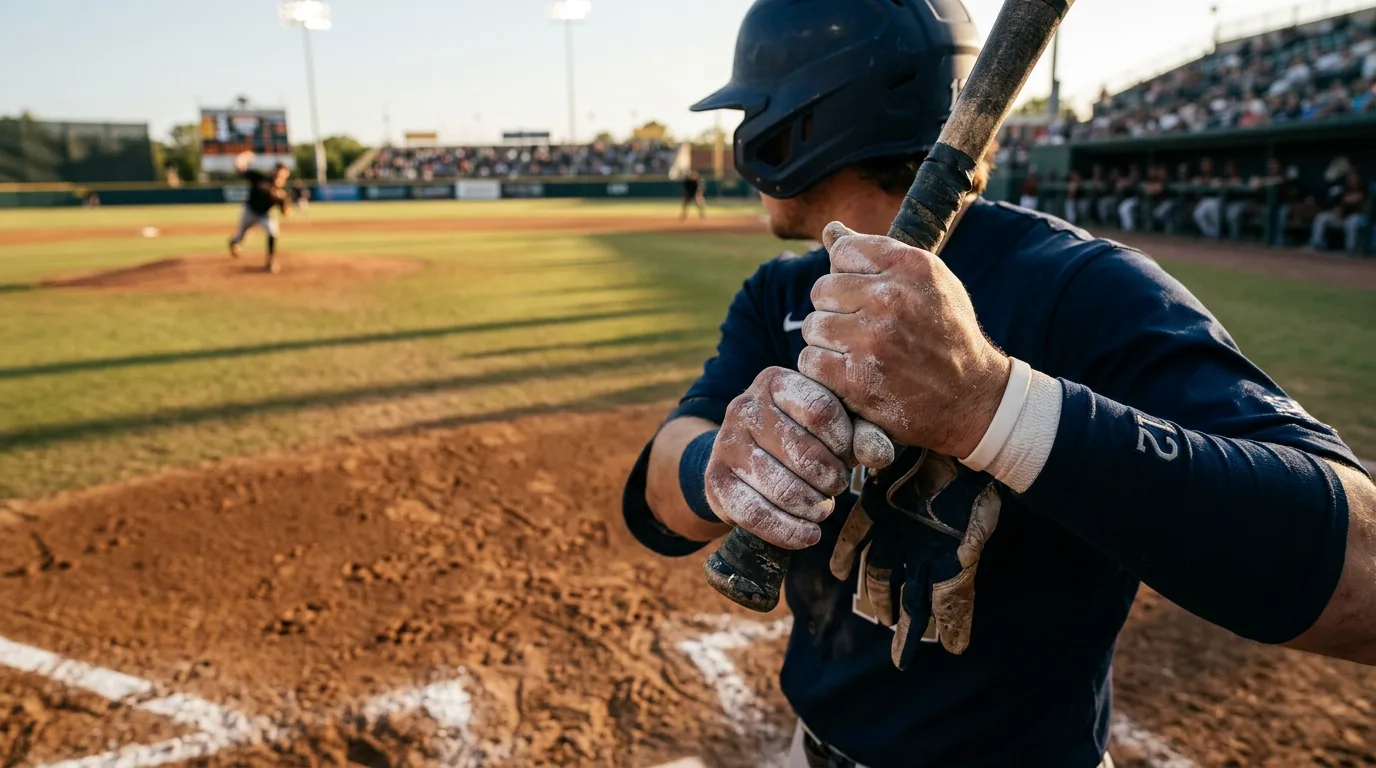
The Bat Handle Problem
A baseball bat handle is roughly one inch in diameter. Your bottom hand wraps around that handle with full force during the swing, generating bat speeds of 65-85 mph depending on level. Any moisture between your palm and the handle reduces the friction that keeps the bat in your hands through the contact zone.
The consequences of a slippery handle range from minor to dangerous. At the minor end: a bat that rotates in your hands mid-swing, costing you barrel accuracy and exit velocity. At the serious end: a bat that flies out of your hands entirely, sending a 30-ounce projectile into the stands, the dugout, or toward the pitcher. Every league requires batters to maintain control of the bat — grip failure is a safety issue, not just a performance one.
Traditional grip solutions in baseball are all adhesion-based. Pine tar sticks the bat to your gloves or bare hands. Grip tape adds texture to the handle. Rosin creates a tacky surface. Liquid chalk offers a different approach: instead of making the surface sticky, it makes your hands dry. For many situations — especially training, batting practice, and amateur league play — this friction-based grip is cleaner, faster to apply, and sufficient for secure bat control.
Rules by League Level
MLB (Major League Baseball)
MLB Rule 3.01(c) allows batters to use pine tar on the bat handle up to 18 inches from the knob. The rosin bag on the mound is for pitchers only. There is no explicit rule permitting or banning liquid chalk for batters. In practice, batters use pine tar and batting gloves — liquid chalk is not common at the MLB level because pine tar provides a stronger adhesive grip that survives the shock of ball contact at 90+ mph pitch speeds.
For pitchers, MLB Rule 6.02(c) is clear: no foreign substance may be applied to the ball, the hand, or the glove. The rosin bag is the only permitted grip aid on the mound. Liquid chalk on a pitcher's hand during a game is a foreign substance violation — expect an ejection and a suspension. The enforcement crackdown that began in 2021 applies to any substance other than rosin.
The transfer problem: Even if a batter uses liquid chalk legally on their hands, chalk residue can transfer to the bat. If a pitcher then handles that bat (unlikely but possible during batting practice or warmups), residue on their fingers could be flagged during the next game inspection. At the professional level, the safest practice is to keep liquid chalk in the batting cage and use sanctioned substances during games.
NCAA Baseball
NCAA rules allow batters to use pine tar, rosin, and approved grip substances on the bat handle. Liquid chalk is not explicitly listed as an approved substance, but it is not banned either. The umpire has discretion — if the substance does not transfer to the ball and does not alter the bat surface permanently, most college umpires allow it. For pitchers, NCAA rules mirror MLB: only the rosin bag is permitted on the mound.
High School (NFHS)
NFHS rules allow pine tar and rosin for batters. Liquid chalk is not mentioned specifically. State athletic associations may have additional guidance. The practical approach: ask the umpire before the game. In warm-up and practice, liquid chalk is unrestricted at all levels.
Youth and Recreational Leagues
Little League, travel ball, and adult recreational leagues generally permit any reasonable grip substance for batters. Liquid chalk is well-suited for youth baseball because it does not create the sticky mess that pine tar does — no brown handprints on uniforms, no sticky residue on shared team bats. Parents and coaches appreciate the clean application. Apply to the player's hands (not the bat) and let it dry before they step into the box.
Application by Position
Batting (With and Without Gloves)
For gloveless hitting: apply a thin layer of liquid chalk to both palms and the finger surfaces that wrap around the handle. Let it dry for 10-15 seconds. The dry chalk layer creates a high-friction surface between your skin and the bat handle. Reapply between at-bats — a single application lasts one at-bat plus a few warm-up swings.
For gloved hitting: apply liquid chalk to your palms before putting on batting gloves. The chalk prevents sweat from forming between your skin and the glove interior, which reduces the glove-in-glove sliding sensation during the swing. The bat-side grip still depends on the glove's surface material, but eliminating the internal slip improves overall feel and control. Some batters also apply a thin layer to the outside of the glove palm — this provides additional friction without the pine tar residue that damages glove leather over time.
Pitching (Practice Only)
During bullpen sessions and practice, liquid chalk on the pitching hand improves ball grip without the rosin texture that some pitchers find too coarse for certain pitches. Changeups and off-speed pitches require a feel for the ball's seams — liquid chalk provides grip without altering the tactile feedback the way rosin does. Apply to the fingertips and the thumb pad, avoiding the palm (which does not contact the ball during most pitch grips).
Do not bring liquid chalk to the mound during a game at any level. Keep the bottle in the dugout for between-inning touch-ups during practice games and scrimmages.
Fielding
Infielders making bare-hand plays and quick throws benefit from dry hands. A shortstop fielding a slow roller bare-handed needs palm friction to grip the ball instantly. Liquid chalk applied between innings keeps the throwing hand dry through 3-4 outs before needing reapplication. Outfielders benefit less — they wear gloves for catches and have more time between ball contacts.
Catchers face a unique challenge: the throwing hand sweats inside the mitt between pitches, and the throwing hand needs to be dry for snap throws to second base. A small bottle of liquid chalk on the dugout shelf allows a quick application between innings. For the catching hand inside the mitt, a thin base layer of liquid chalk before the game reduces the moisture that causes the ball to slip during framing.
Best Liquid Chalk for Baseball Players
Baseball demands a formula that dries fast (at-bats and innings move quickly), leaves minimal residue (no transfer to the ball), and works in outdoor heat and humidity. These five products fit the diamond environment.
1. EVMT Brands Liquid Chalk — Best for Dugout Quick-Apply
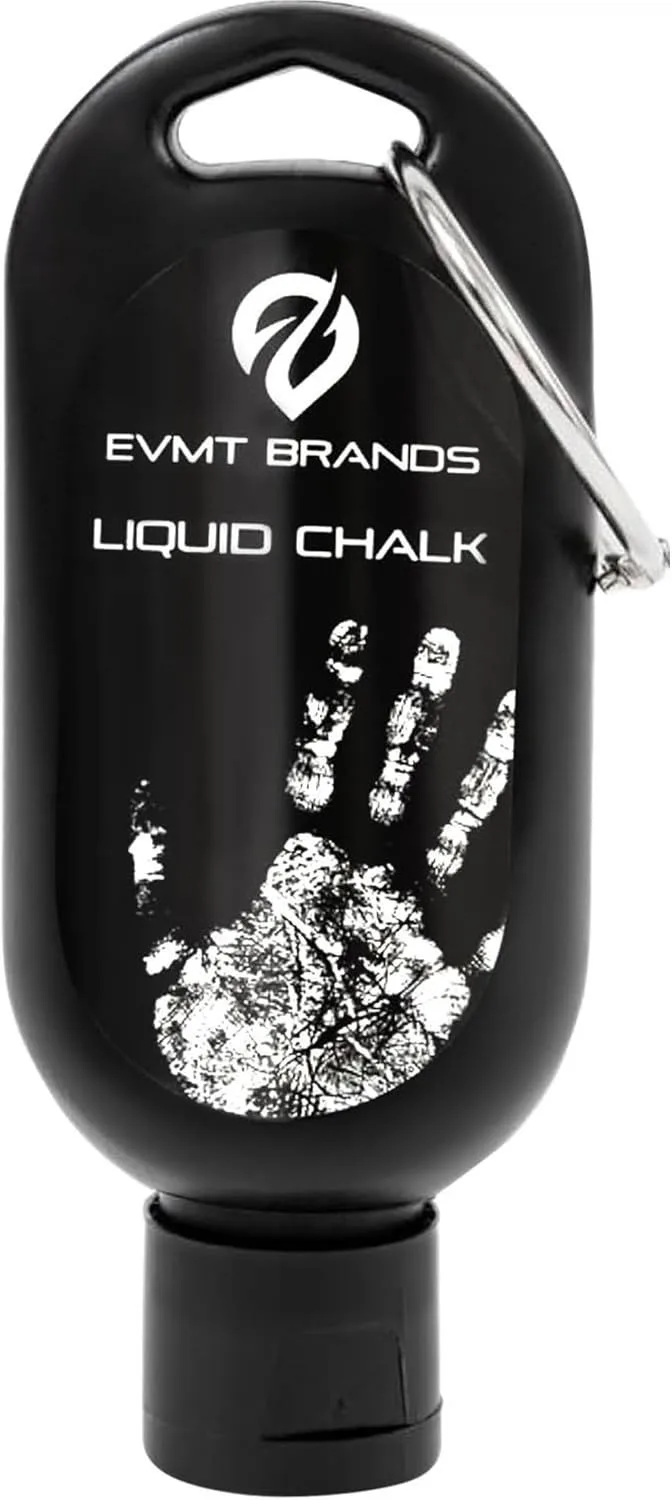
The EVMT 50ml bottle fits in a back pocket or dugout bag compartment. The 10-15 second dry time is the fastest option for between-inning and between-at-bat application — critical in a sport where dead time is measured in seconds. At above average for its category, one bottle lasts a full season of weekend games for a recreational player. The thin formula leaves minimal residue that could transfer to the ball. For batting practice sessions, a single application covers 20-30 swings.
Read our full EVMT Brands review →
2. Chalkless Grip Enhancer CLEAR — Zero Transfer Risk
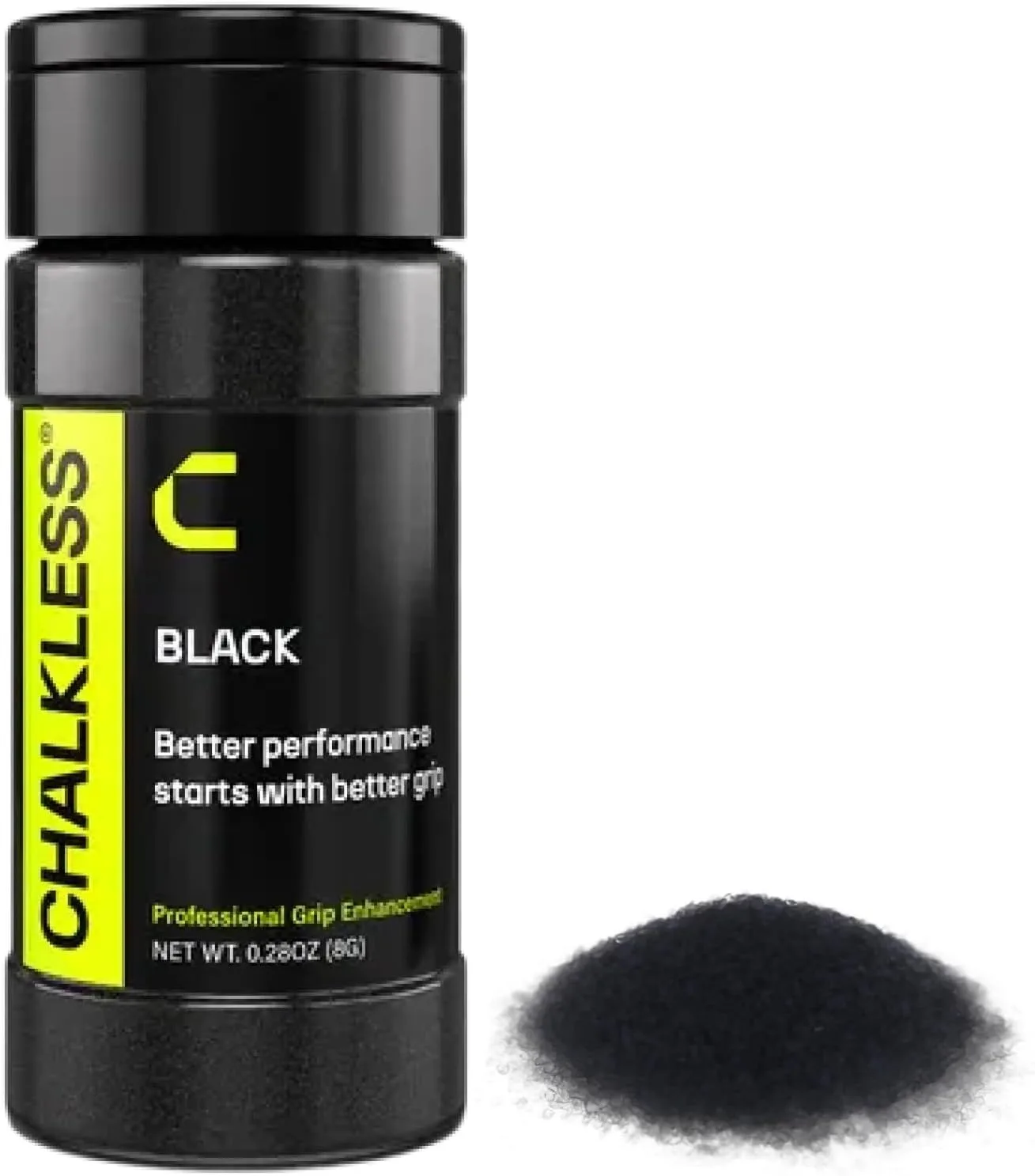
The Chalkless CLEAR formula leaves zero visible residue — nothing transfers to the bat handle, the ball, or your uniform. This makes it the safest choice for game situations where umpires might inspect for foreign substances. The silica-based grip works through micro-friction rather than moisture absorption, which means it maintains effectiveness even in humid, 90-degree doubleheader conditions. At mid-range for its category, the cost per game is higher, but the zero-transfer guarantee removes any rule compliance concern.
Read our full Chalkless CLEAR review →
3. Liquid Grip 8oz Bottle — Best for Summer Training
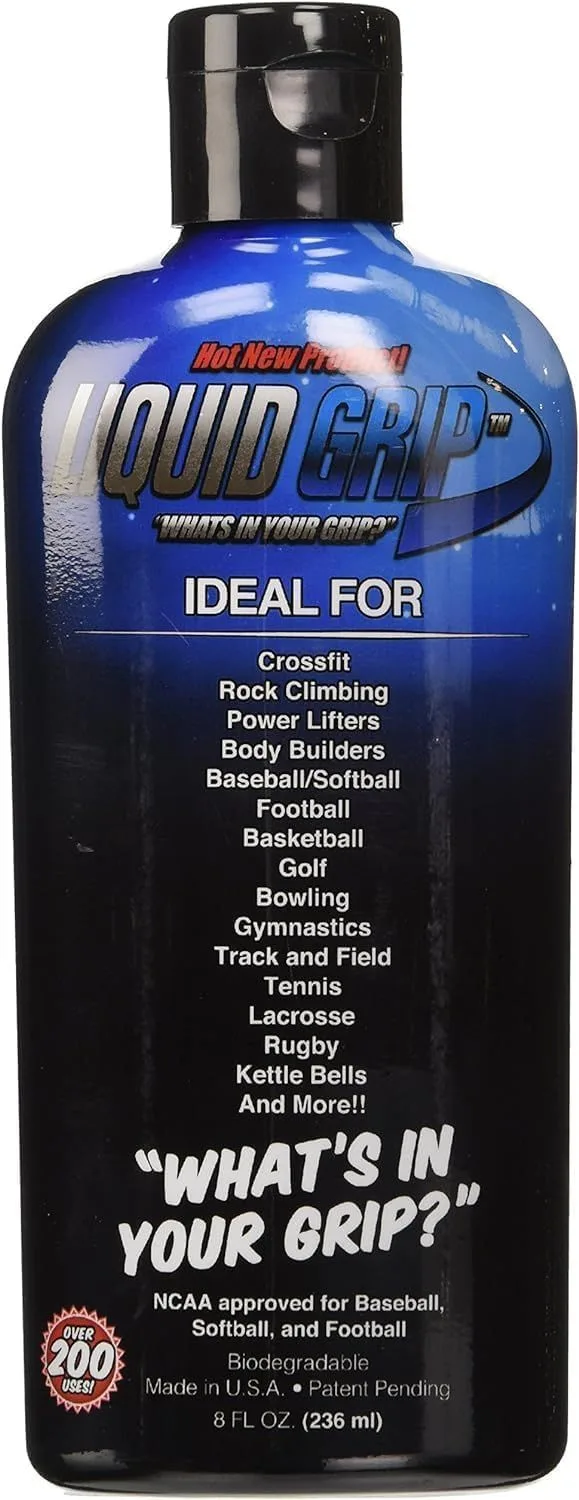
Summer baseball means 95-degree first pitches and hands that sweat through anything by the third inning. Liquid Grip's resin-based film maintains grip despite sustained moisture, making it effective in the hottest outdoor conditions. The formula works on bare hands and on the outside of batting gloves. At mid-range for its category, it is positioned for athletes who train daily in summer heat and need a formula that does not surrender to humidity. Apply once before a batting practice session — the film lasts through 50+ swings.
Read our full Liquid Grip review →
4. Medi Chalk Liquid Chalk — Best Budget Pick for Youth Teams
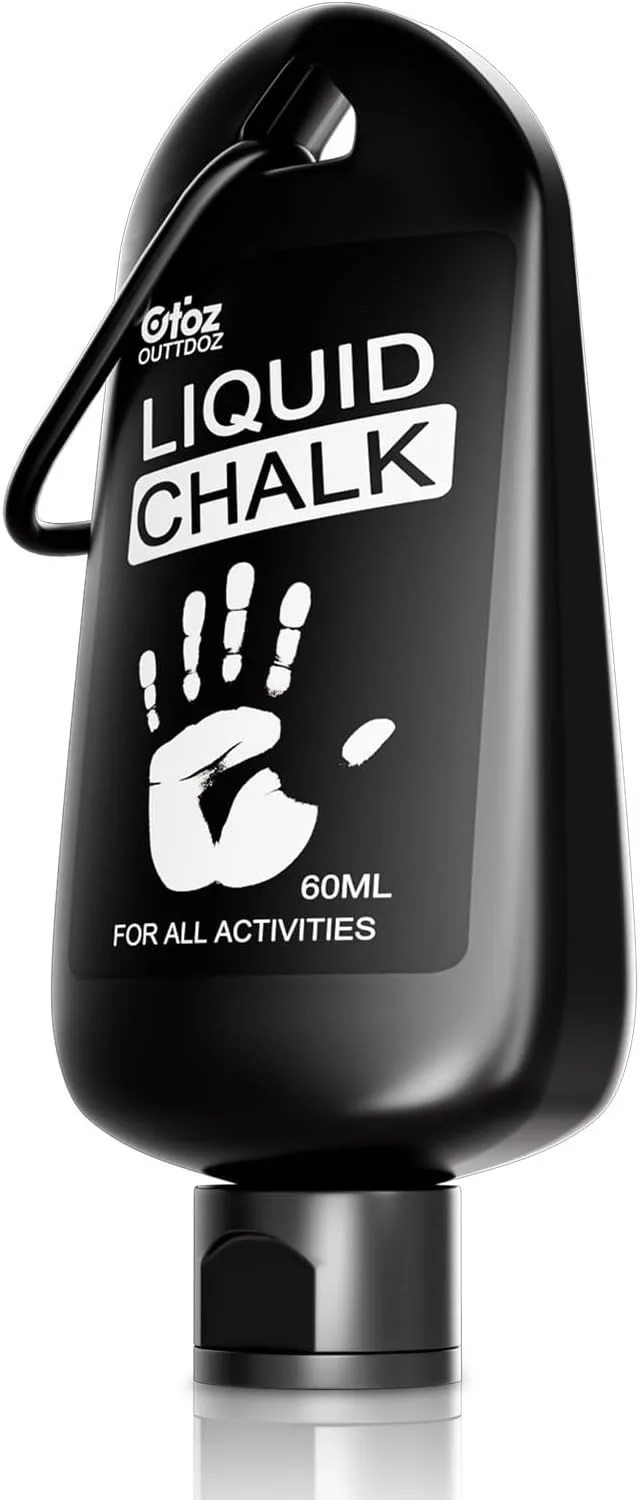
Youth and travel ball teams share equipment, and liquid chalk eliminates the pine tar mess on shared bats. The Medi Chalk at mid-range for its category is the most affordable entry point for a team to try liquid chalk. The carabiner clip attaches to a dugout bag zipper for easy team access. One bottle can serve 3-4 players per game with careful application. The dual bonding agents provide 15-25 minutes of grip — enough for 2-3 at-bats and a few innings of fielding before reapplication.
Read our full Medi Chalk review →
5. SPORTMEDIQ Pro Grade Liquid Chalk — Best for Season-Long Training
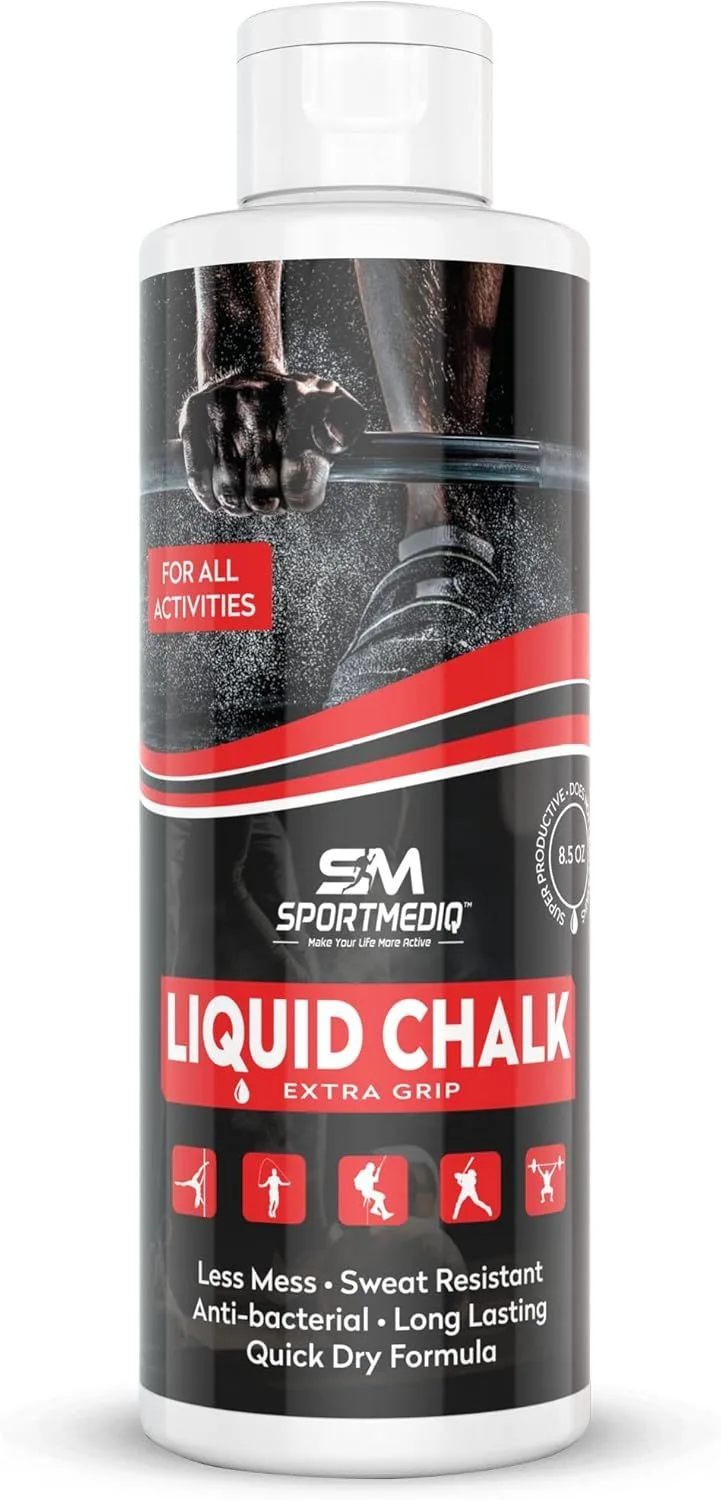
For players who train 5-6 days a week through a full season, the SPORTMEDIQ 8.5 oz bottle at mid-range for its category provides months of daily use. Keep it in the team equipment room or batting cage for pre-practice application. The lotion consistency is easy to share among multiple players, and the light scent is inoffensive in an enclosed cage environment. For a team facility with a batting cage and bullpen, the large bottle serves as the communal grip station.
Read our full SPORTMEDIQ Pro Grade review →
Weather Conditions and Chalk Performance
Summer Heat (85°F+)
Palm sweat production peaks during summer games. Batters in the on-deck circle under direct sun generate visible palm moisture before they reach the box. Apply liquid chalk immediately before entering the batter's box — not in the dugout five minutes earlier. The chalk layer degrades faster in heat because sweat production accelerates with core temperature. For doubleheaders, bring enough chalk for 8-10 applications per game.
Rain and High Humidity
Liquid chalk is not waterproof. Rain on your chalked hands washes the layer away in seconds. In light drizzle, reapply after every exposure to rain. In heavy rain, the chalk becomes impractical — batting gloves with textured palms are a better solution for wet conditions. Humidity below the rain threshold (70-90%) slows chalk dry time from 15 to 25 seconds but does not prevent the chalk from working once dry.
Cold Weather (Below 50°F)
Fall playoff games and early-spring training in cold weather reduce palm sweating but introduce a different grip problem: cold, stiff fingers that cannot feel the bat handle. Liquid chalk does not solve cold-stiffness, but it does prevent the condensation moisture that forms when cold hands grip a cold metal or composite bat. Apply chalk to dry hands, then wear batting gloves for warmth. The chalk layer between skin and glove maintains friction even when your fingers are numb.
Batting practice hack: In cage sessions, apply liquid chalk once at the start and skip batting gloves. Bare-hand cage work with liquid chalk develops hand strength and bat feel that gloves mask during games. The chalk provides enough grip for 30-40 full swings, and the direct bat-to-skin contact builds the calluses and proprioceptive awareness that improve bat control during game at-bats.
Baseball Chalk Questions
Is liquid chalk legal in MLB games?
MLB rules (Rule 6.02(c)) prohibit pitchers from applying foreign substances to the ball. Liquid chalk on the batting side is a gray area — there is no explicit rule against batters using liquid chalk on their hands, but umpires have discretion to disallow any substance they believe is being transferred to the ball. In practice, batters use pine tar (within the 18-inch handle zone) and rosin, which are explicitly permitted. Liquid chalk is more commonly used in batting practice, training, and amateur leagues where enforcement is less formal.
Can pitchers use liquid chalk on the mound?
No. MLB, NCAA, and most high school leagues restrict pitchers to the rosin bag provided on the mound. Any additional substance — including liquid chalk — applied to the pitching hand is considered a foreign substance violation. The rosin bag is the only grip aid officially sanctioned for pitchers during games. Liquid chalk is useful for pitching practice and bullpen sessions where rules are not enforced, but bringing it to the mound during a game will result in an ejection.
Does liquid chalk work with batting gloves?
Liquid chalk applied under batting gloves improves the glove-to-skin grip but does not help the glove-to-bat interface. The bat-side grip is determined by the glove surface material and the bat handle finish. For gloveless hitting, liquid chalk applied directly to the palms significantly improves bare-hand-to-bat friction, especially in humid conditions. Some players apply liquid chalk to the outside of gloves as a substitute for pine tar — it provides grip without the sticky residue, though it wears off faster.
How does liquid chalk compare to pine tar for batting?
Pine tar is stickier and longer-lasting than liquid chalk. A pine tar application can last an entire at-bat and multiple swings. Liquid chalk provides friction through dryness rather than stickiness — it prevents your hands from sliding on the handle but does not create the adhesive bond that pine tar does. For practice and training, liquid chalk is cleaner and easier to apply. For games, most batters prefer pine tar because the adhesive grip survives the shock of ball contact better than a friction-only grip.
Is liquid chalk allowed in high school baseball?
Rules vary by state athletic association. Most follow NFHS (National Federation of State High School Associations) rules, which allow pine tar, rosin, and similar grip substances for batters. Liquid chalk falls into a gray area — it is not explicitly banned for batters, but an umpire could disallow it if they believe it provides an unfair advantage or could be transferred to the ball. For high school players, the safest approach is to ask the umpire before the game. For practice and training, liquid chalk is unrestricted.
Can liquid chalk help with fielding in hot weather?
Yes. Infielders and outfielders handling the ball with sweaty hands lose grip on throws, leading to errant releases. Liquid chalk applied to the throwing hand before an inning keeps the hand dry and improves ball release consistency. Reapply between innings. The chalk wears off faster on fielders than batters because fielders handle the ball directly — each catch and throw removes a small amount of chalk from the palm. A pocket-size bottle in the dugout allows quick reapplication between half-innings.
Get a Grip on Game Day
For most baseball players, the EVMT Brands provides the fastest application and the most compact bottle for dugout use. If rule compliance is your top concern, the Chalkless CLEAR leaves zero residue that could raise an umpire's eyebrow. And for youth teams sharing bats and trying to avoid pine tar mess, the Medi Chalk is the most affordable team-friendly option.
Get Our Top 3 Picks
Get our top 3 picks for your budget — one email, then only updates.
Only when something changes. Unsubscribe anytime.