Liquid Chalk for MMA: Train Harder, Grip Tighter
Grappling, striking, and cage grip — where liquid chalk helps in MMA training and why it's banned in competition.
Where Grip Decides the Fight
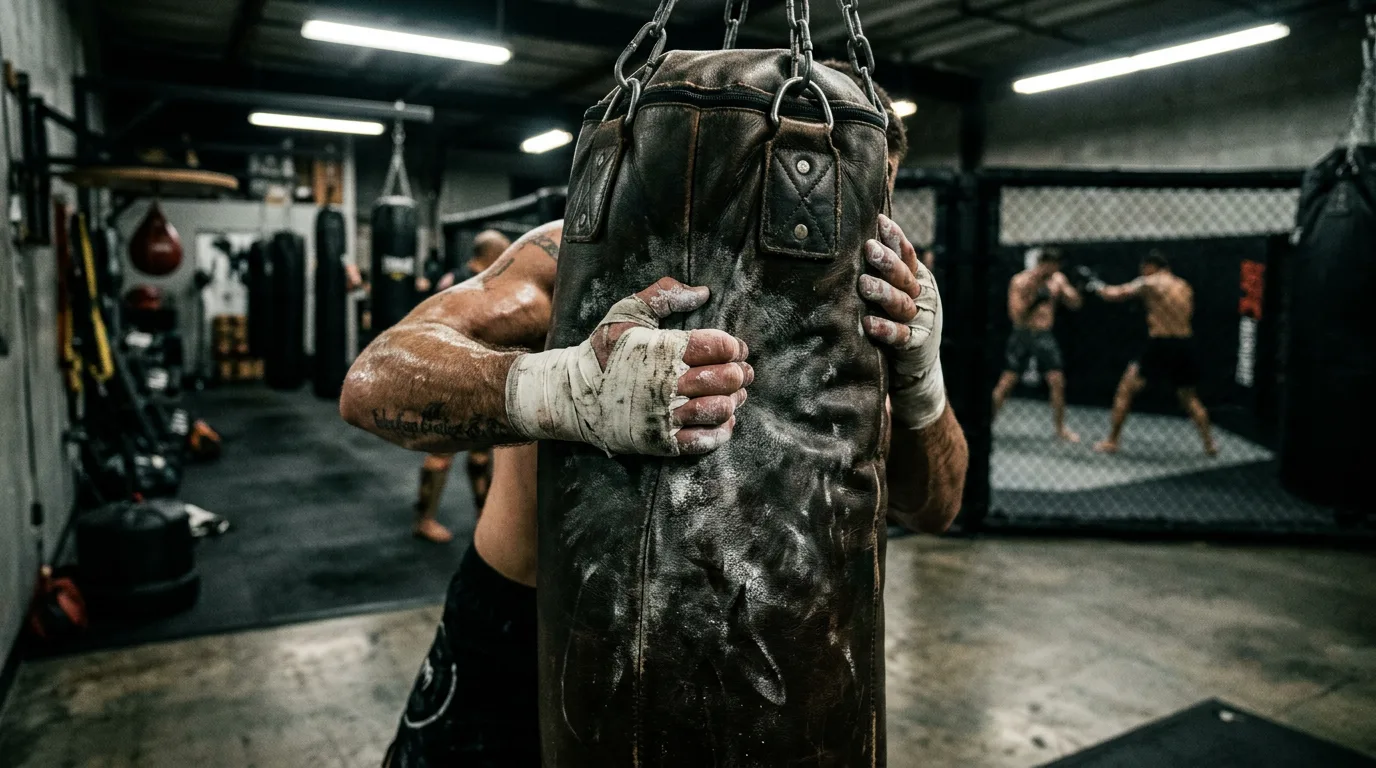
MMA training is a sweat factory. A one-hour class that combines pad work, drilling, and live sparring produces more perspiration than most other athletic activities. Your hands are involved in everything: gripping mitts during striking combos, clinching a training partner's neck, controlling wrists for takedowns, and fighting for underhooks while both bodies are coated in sweat. When your grip fails, you lose position. In grappling, lost position means lost rounds.
The grip challenge in MMA is different from weightlifting or climbing because you are gripping another person. A barbell does not sweat back at you. A climbing hold does not try to break your grip. In MMA, your training partner is actively sweating, moving, and working to strip your grips. Every ounce of friction between your palm and their rashguard, wrist, or neck matters.
Liquid chalk addresses the part of the equation you can control: your own palm moisture. It cannot stop your training partner from being soaked in sweat, but it can ensure your hands are dry and grippy when you initiate a clinch, shoot for a double leg, or lock in a guillotine. The difference between a secured choke and a choke that slips is often millimeters of hand position — and those millimeters are controlled by friction.
Competition restriction: Liquid chalk is banned in sanctioned MMA bouts under all major organizations (UFC, Bellator, PFL, ONE Championship) and state athletic commissions. Use it for training only. Your hands will be wrapped and inspected by officials before any sanctioned fight — no grip substances allowed.
Training Scenarios Where Chalk Matters Most
No-gi grappling: This is ground zero for the MMA grip problem. Without a gi to grab, you are gripping skin, rashguards, and shorts — all of which become slippery when wet. Liquid chalk on your palms creates a friction layer that buys you an extra second of grip retention on each exchange. In a scramble, that extra second is the difference between securing a single-leg and watching your opponent slip free.
Gi training: The gi offers fabric grips (lapel, sleeves, pants) that are more forgiving than skin. Liquid chalk still helps because your fingers fatigue faster when they are fighting moisture in addition to resisting your partner's grip breaks. Chalk reduces the moisture variable, letting your grip muscles focus on holding position rather than compensating for slippery palms.
Clinch work: The Muay Thai clinch requires sustained neck control with interlocked fingers behind the opponent's head. Your palms press against their neck and skull, both of which are covered in sweat. A chalked grip holds the clinch position longer before your fingers start to slip. For fighters who rely on the clinch for knees and elbows, grip endurance translates directly to offense.
Cage grip (training only): Grabbing the cage is illegal in competition, but in training, fighters often use the cage to stand up from bottom position or to prevent takedowns by bracing against the mesh. Liquid chalk improves your grip on the vinyl-coated chain link, which becomes slippery when wet. This training-specific application helps build realistic cage awareness.
Pad work and bag work: Striking drills are grip-intensive when you hold focus mitts for a partner. Sweaty mitts shift on impact, and catching a hard cross with a loose mitt strains the holder's wrist. Chalk inside the mitt (or on the palm before putting the mitt on) keeps the padding stable during extended holding sessions.
Applying Chalk for Combat Sports
MMA training involves contact with other people's skin, so your application needs to account for your training partners. A thick, visible chalk layer that rubs off onto your partner's face during a clinch is bad gym etiquette. The goal is a thin, fully dried coat that enhances your grip without leaving residue on anyone else.
Apply a single pea-sized drop to each palm. Rub your hands together vigorously for 8-10 seconds, working the formula into every crease. Then spread it across the fingers and between the knuckle joints. Wait a full 25-30 seconds until the surface is completely dry. Test by pressing your palms together — if you feel any tackiness or wetness, wait longer. The dried layer should feel like natural dry skin with a slight chalky texture.
Timing matters in a class structure. Apply during the warm-up (usually the first 5-10 minutes of class). This gives you the longest bond time before drilling starts. Reapply once before live sparring rounds — most classes separate drilling from rolling with a water break, which is the ideal reapplication window. Do not apply chalk between sparring rounds unless the break is long enough for a full 30-second dry time. Engaging with partially dried chalk is worse than no chalk — the wet formula reduces grip rather than enhancing it.
Best Liquid Chalk for MMA Training
MMA training demands formulas that dry fast (class breaks are short), resist heavy sweat (the sport generates extreme perspiration), and leave minimal residue (you are gripping people). We evaluated our catalog against these combat-specific criteria.
1. Spider Chalk Black Widow — Best Grip Endurance
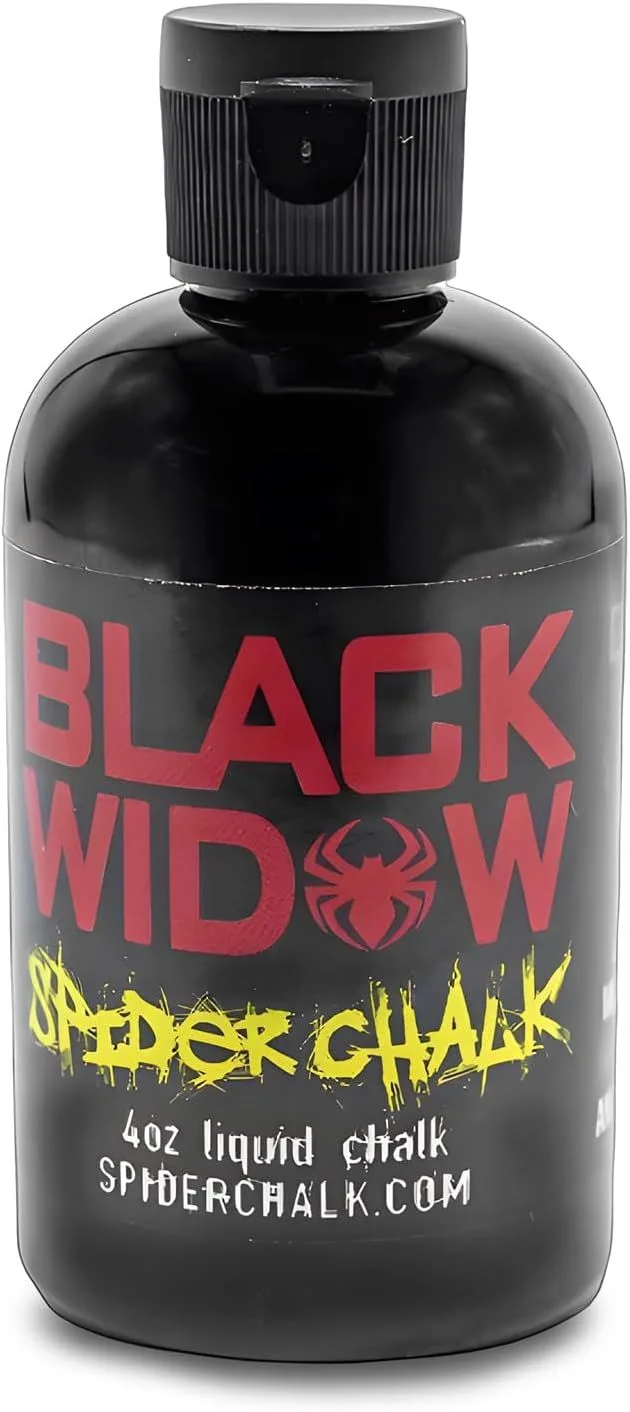
When a grappling round lasts 6-8 minutes and you cannot pause to reapply, grip duration is the primary selection criterion. Black Widow's Grip-Lock Technology provides 40-55 minutes of continuous grip — enough for an entire rolling session. The nano-resin formula bonds to skin more tenaciously than standard magnesium carbonate, which matters when sweat is pouring and your partner is actively trying to strip your grips. The 4 oz bottle lasts 2-3 weeks of daily training.
Read our full Spider Chalk Black Widow review →
2. PowerGrip 250ml — Best for Extended Sessions
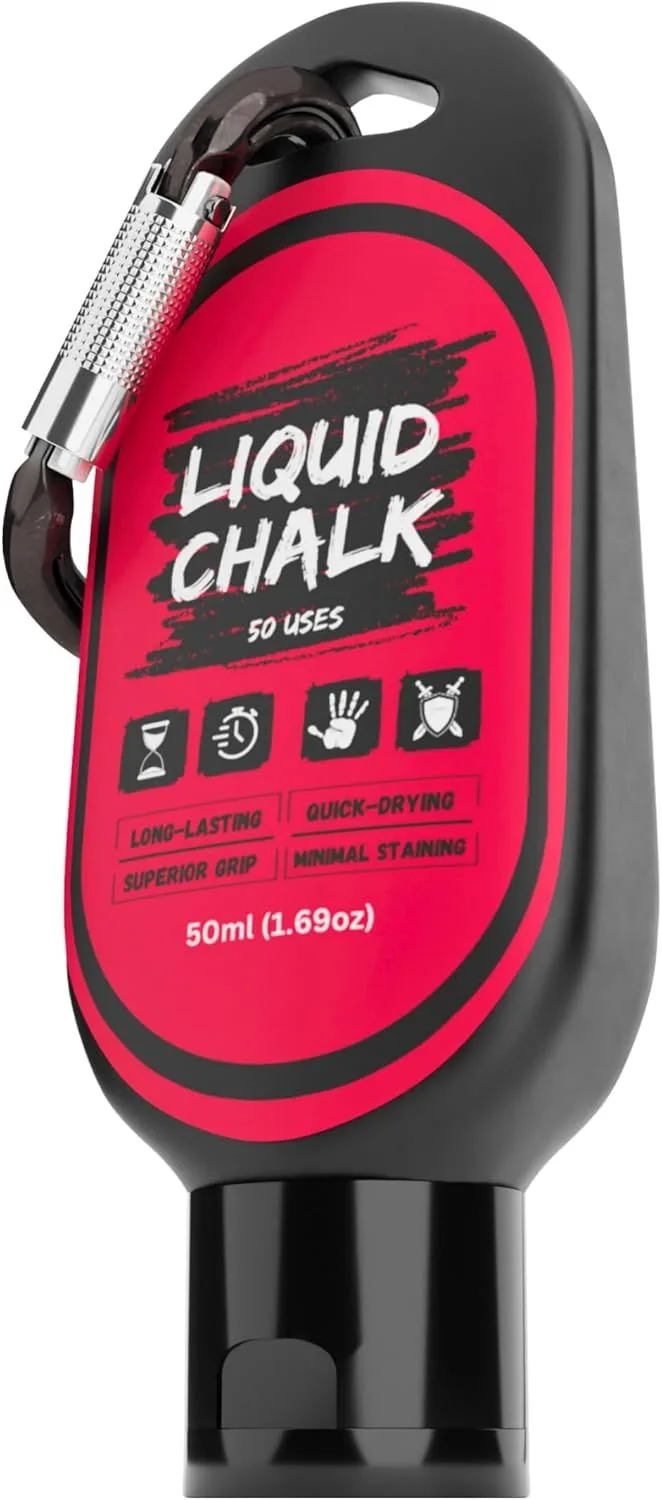
MMA athletes who train twice a day or run a gym where multiple fighters share a bottle need volume. PowerGrip's 250ml bottle provides the most applications per dollar in our catalog when paired with its honey and rosin formula. The secondary grip layer — where the honey and rosin continue providing traction after the chalk layer begins to fade — is useful during the tail end of a long training session. At below average for its category, the cost per application for a full training camp is minimal.
Read our full PowerGrip 250ml review →
3. SPORTMEDIQ Pro Grade — Best for Team/Gym Use
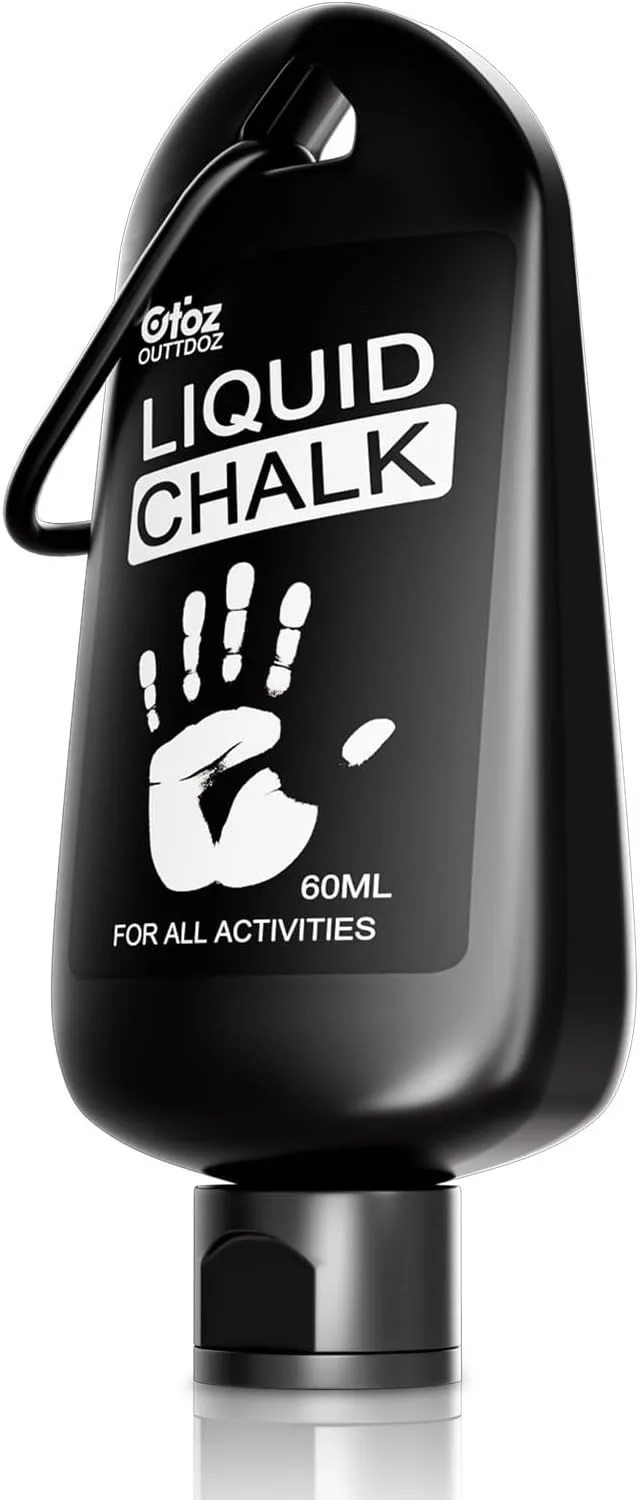
If your gym passes a chalk bottle around before rolling, the 8.5 oz SPORTMEDIQ is the communal bottle of choice. The lotion-like consistency dispenses easily from hand to hand, and the light fragrance is preferable to harsh alcohol smell in a closed training room. The large volume means it lasts through weeks of shared team use. Grip duration of 30-45 minutes covers a full round of drilling plus 2-3 sparring rounds before needing a refresh.
Read our full SPORTMEDIQ review →
4. EVMT Brands — Best Personal Training Bottle
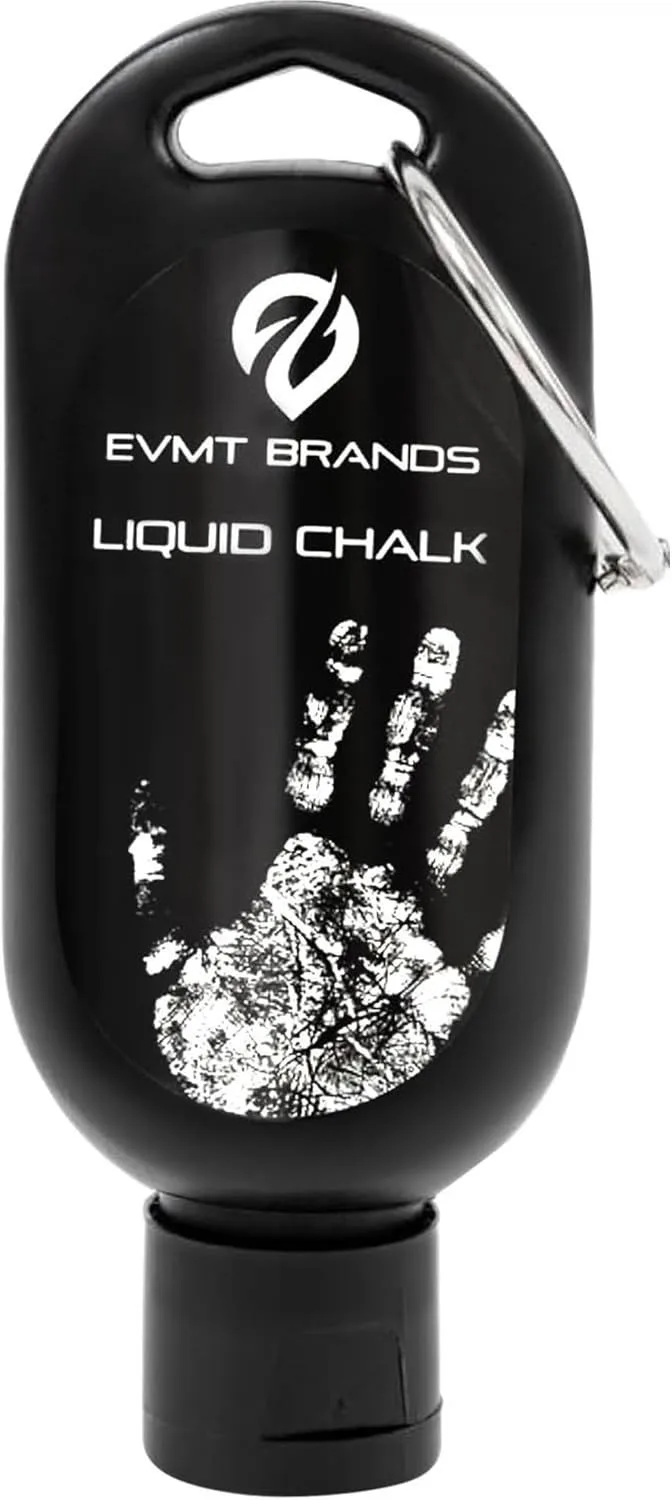
For fighters who carry their own gear to different gyms, EVMT's 50ml bottle drops into a gym bag without adding weight. The 10-15 second dry time is the fastest available — useful when the coach says "partner up" and you have 20 seconds before the round starts. At affordably priced, buying a fresh bottle every 2-3 weeks is a trivial training expense. The sport-specific formula variants (including a "Weightlifting" option with slightly thicker consistency) let you match the formula to your training focus.
Read our full EVMT Brands review →
Discipline-Specific Considerations
Brazilian Jiu-Jitsu (no-gi): The highest-value application. No-gi BJJ is pure grip warfare on sweaty skin. Liquid chalk on both grapplers (some gyms encourage it) transforms the training quality. Wrist grips hold, underhooks stick, and collar ties maintain control through entire scrambles instead of slipping on the first explosive movement.
Wrestling: Folkstyle and freestyle wrestling involve constant grip fighting on wrists, ankles, and head position. Chalk helps with the initial grip acquisition — but be aware that a chalked grip on a sweaty opponent's skin can create localized friction that causes mat burns. Apply thin coats only.
Muay Thai / Kickboxing: The primary chalk benefit for strikers is inside the gloves. After 3-4 rounds of pad work, glove interiors become soaked. A pre-training chalk application on the hands keeps the glove lining drier, maintaining fit and reducing the loose-glove feeling that leads to wrist strain. Some fighters also chalk their shins before checking kicks during drills — the chalk reduces the slippery sensation of shin-on-shin contact, though this is less common.
Submission grappling (ADCC, NAGA): Some no-gi tournaments permit grip-enhancing substances. ADCC has historically allowed them. NAGA rules vary by event. Always check the specific tournament rules before applying chalk at competition. When allowed, the same application technique used in training applies — thin, fully dried, focused on palm and finger contact zones.
Gym Etiquette: Using Chalk Around Training Partners
Combat sports are inherently communal. Your chalk affects everyone you train with. Follow these principles to keep the training room harmonious:
Ask before applying chalk for the first time at a new gym. Most gyms welcome it, but a few have strict no-chalk policies to protect their mats. A quick "mind if I use liquid chalk?" to the coach or a senior student covers the social contract.
Apply away from the mats. Stand at the edge of the training area and let the formula dry completely before stepping onto the mat. Partially dried chalk leaves white smears on grappling surfaces.
Keep your nails short. Chalked fingers with long nails create scratching hazards during grappling. This is standard gym etiquette regardless of chalk use, but the added friction from chalk makes nail scratches more likely.
Clean the mats if you leave residue. A quick wipe with a damp towel after training removes any chalk marks from the mat surface. Leaving white handprints on dark grappling mats is the fastest way to get chalk banned from a gym.
MMA Chalk Questions
Is liquid chalk allowed in MMA competitions?
No. UFC, Bellator, and state athletic commissions ban grip-enhancing substances during sanctioned bouts. Fighters' hands are wrapped and gloved under commission oversight — no chalk, rosin, or grip spray is permitted during competition. Liquid chalk is strictly a training tool in combat sports.
Can liquid chalk help with grip in no-gi grappling?
Yes. No-gi grappling involves gripping sweaty skin and rashguard fabric. Liquid chalk absorbs palm moisture and improves friction on both surfaces. Many no-gi grapplers apply it before training rounds. Some ADCC and no-gi tournaments allow it — check the specific event rules before applying at competition.
Does liquid chalk affect striking?
In training, a thin layer inside boxing gloves or MMA gloves can reduce moisture buildup that loosens the glove fit over a long session. The chalk itself does not change striking power or technique. Apply sparingly — too much chalk inside a glove creates a gritty sensation that some fighters find distracting.
Will liquid chalk irritate skin during grappling?
Standard magnesium carbonate liquid chalk dries to a smooth, non-abrasive layer. It should not cause mat burns or skin irritation for you or your training partners. If your training partner has open cuts or skin sensitivities, the alcohol base can sting during the drying phase — apply and dry before engaging.
How often should I reapply during an MMA training session?
For a typical 90-minute class, apply before warmup and reapply once between drilling and live rolling. During intense sparring, the chalk wears off faster due to sweat volume and physical contact. Expect to reapply every 25-35 minutes in a hard session.
Chalk Up and Train
MMA grip failures do not just lose rounds — they build bad habits. When your grips slip, you start relying on muscular clamping instead of technical grip placement. Over time, that compensation pattern ingrains itself. Liquid chalk lets you train with the grip security that correct technique demands. For extended rolling sessions, Spider Chalk Black Widow provides the longest hold time. For gym-shared bottles that serve an entire team, SPORTMEDIQ's 8.5 oz is the volume play.
Get Our Top 3 Picks
Get our top 3 picks for your budget — one email, then only updates.
Only when something changes. Unsubscribe anytime.