Liquid Chalk for Hockey: Stick Grip That Doesn't Quit
Stick grip under gloves, field hockey handles, and ball hockey — where liquid chalk fits in stick sports.
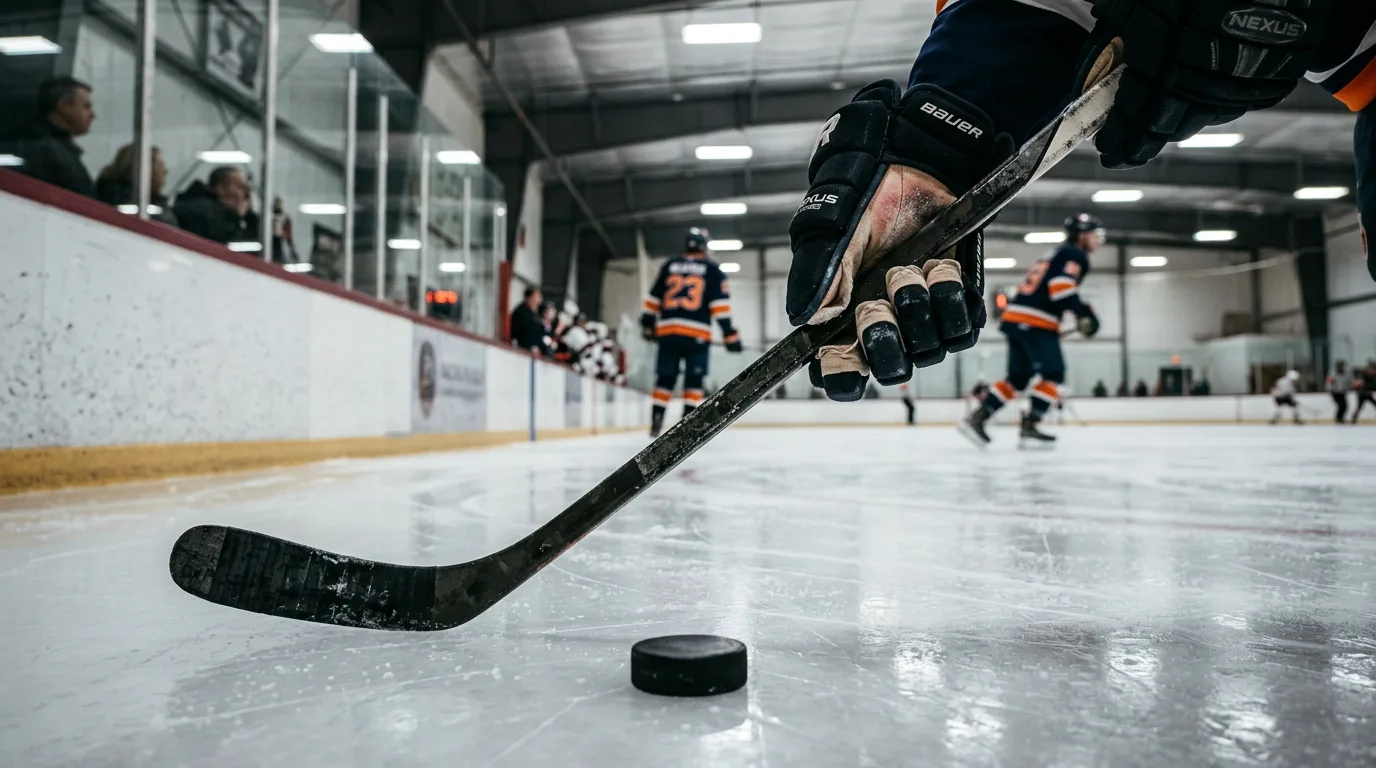
The Stick Grip Problem Across Hockey Disciplines
Hockey is a stick sport, and every puck or ball movement starts with your hands. An ice hockey slap shot, a field hockey drag flick, a ball hockey wrist shot — each one transfers force through the stick via your grip. When that grip is compromised by sweat, humidity, or cold hands warming rapidly inside gloves, the stick rotates on impact. Shots lose accuracy. Passes miss their target. Stick handling becomes tentative instead of confident.
Each hockey discipline presents a different grip challenge. Ice hockey players wear thick padded gloves that trap heat and moisture, creating a mini-sauna around the hands. Field hockey players grip a narrow, flat-sided stick bare-handed in rain and humidity. Ball hockey and street hockey players deal with summer heat on outdoor courts. Roller hockey combines the worst of both: gloves in warm rinks. In every case, the underlying problem is the same — moisture between skin and stick surface reduces friction.
Liquid chalk addresses this by creating a dry, moisture-absorbing layer on the palms before gloves go on (ice hockey, roller hockey) or directly against the stick grip (field hockey, ball hockey). The chalk layer absorbs perspiration as it forms, preventing the moisture from reaching the glove liner or stick surface. The result is a grip that feels consistent from the first shift to the third period.
Ice Hockey: Under-Glove Application
Ice hockey gloves present a specific challenge: your hands are enclosed in padded shells that trap body heat as you exert yourself. By the second period, most players' hands are damp inside their gloves. The moisture soaks into the glove liner, reducing the grip feel between palm and stick. Players compensate by gripping harder, which accelerates forearm fatigue and reduces wrist flexibility for stick handling.
The under-glove application technique prevents this cycle. Apply a thin coat of liquid chalk to both palms before putting your gloves on — ideally during the dressing room routine, about 10-15 minutes before warm-up. The chalk bonds to your skin and creates a moisture barrier between your palms and the glove liner. As you sweat during the game, the chalk absorbs the perspiration before it reaches the fabric.
How much to apply: less than you think. A pea-sized drop per palm, rubbed evenly across the palm and the finger pads. Thick chalk layers inside a tight glove create a gritty, uncomfortable sensation that distracts from stick feel. The goal is a barely-perceptible dry layer, not a visible coating.
Intermission reapplication: during the break between periods, remove your gloves, towel off your hands, and apply a fresh thin coat. Let it dry 20-25 seconds before re-gloving. This takes less than a minute and resets the moisture-absorbing capacity for the next period.
Field Hockey: Bare-Hand Grip on a Flat Stick
Field hockey players face a different geometry. The stick has a flat face and a rounded back, with a narrow grip area at the top that concentrates palm pressure into a small surface zone. Most field hockey players grip bare-handed or with a single thin glove on the left hand. This means your skin contacts the grip tape or rubber grip directly — and any moisture on your palms immediately affects stick control.
Outdoor fall seasons compound the problem. Morning dew, drizzle, and humidity are standard conditions for field hockey. The stick grip gets wet from above (rain) and below (palm sweat). Liquid chalk fights the bottom half of that equation. Apply before warm-up, and the chalk layer absorbs palm moisture for 30-45 minutes under moderate conditions. In heavy rain, plan to reapply at halftime.
Field hockey grip technique involves frequent hand repositioning — sliding the right hand down the shaft for sweeps and drag flicks, then back up for dribbling. Liquid chalk needs to cover the entire palm and all fingers because the contact zone changes with each skill. A thin, even coat across both hands provides consistent friction regardless of hand position on the stick.
One specific advantage for field hockey: penalty corners. The drag flicker needs absolute grip confidence at the moment of contact. Sweaty hands during a penalty corner — often taken in the second half when fatigue and perspiration peak — can cause the ball to misfire. A chalk application during the huddle before a corner set takes 10 seconds and removes one variable from a high-pressure skill execution.
Ball Hockey and Street Hockey
Ball hockey and street hockey are often played outdoors in summer heat, which means maximum sweat output with minimal equipment. Many ball hockey players use lighter gloves than ice hockey or go bare-handed entirely. In both cases, liquid chalk provides the same moisture management — just applied directly before playing.
The ball hockey stick grip is typically the same composite construction as an ice hockey stick. Manufacturers include a tacky grip wrap at the top, but these wraps deteriorate in heat and lose their tackiness within a few games. Liquid chalk on the hands compensates for worn grip wraps, extending the useful life of the stick between re-wrapping sessions.
Top Chalk Picks for Stick Sports
Hockey demands quick-dry formulas (you cannot wait 30 seconds during a line change), compact bottles (locker room and bag space is limited), and low residue (glove interiors accumulate chalk residue over time). Here are the products we recommend for hockey players.
1. EVMT Brands — Best All-Around Hockey Chalk
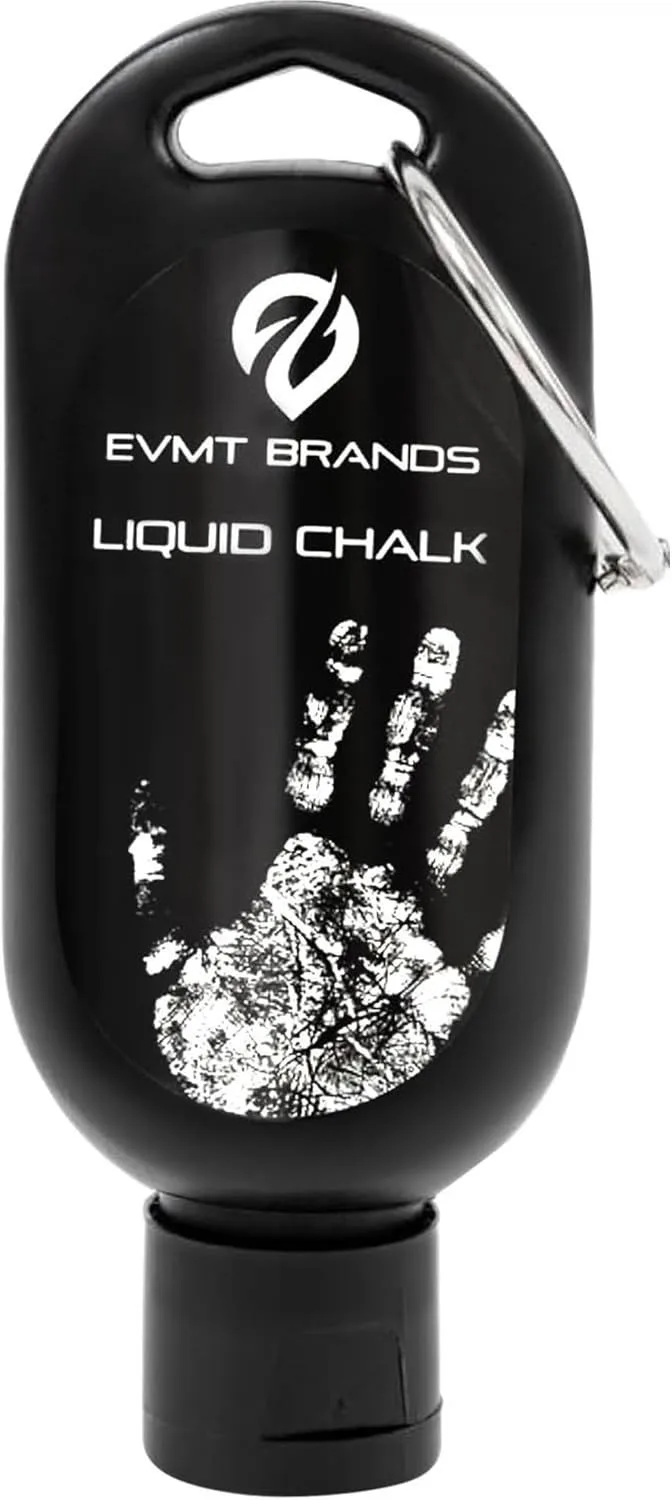
The 10-15 second dry time matches the speed hockey players need. Apply between periods or during a quick break, and you are back on the ice before your linemates finish tying their skates. The 50ml bottle fits in a glove compartment or side pocket of any hockey bag. At affordably priced, it is cheap enough to replace every few weeks without thinking about the cost. Over 3,100 reviews provide confidence in the baseline formula.
Read our full EVMT Brands review →
2. Spider Chalk Black Widow — Best for Full-Game Coverage
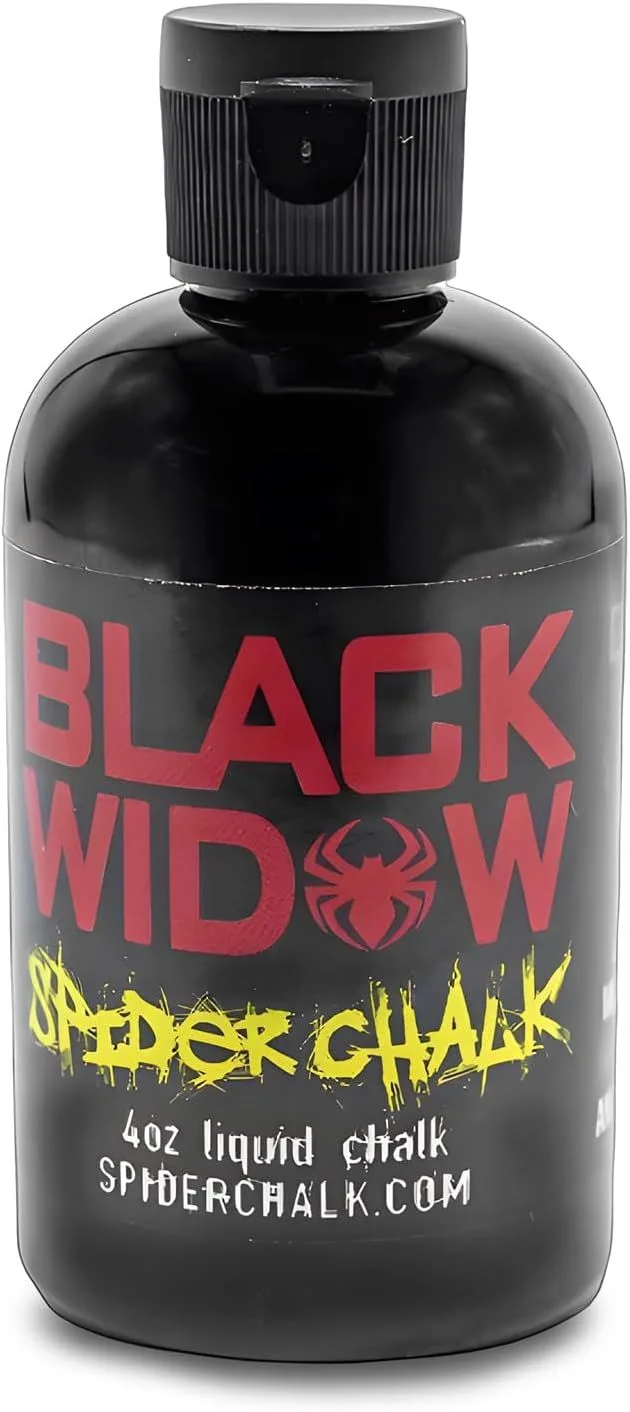
If you want to apply once in the dressing room and not think about your grip until intermission, Black Widow's 40-55 minute grip duration is the longest available. The Grip-Lock nano-resin formula is overkill for a quick shinny game, but for competitive players who cannot afford grip variability during a tournament, the extended hold time is worth the premium. The 4 oz bottle is a good size for a personal hockey bag.
Read our full Spider Chalk Black Widow review →
3. SURVIVOR — Best for Enclosed Hockey Bags
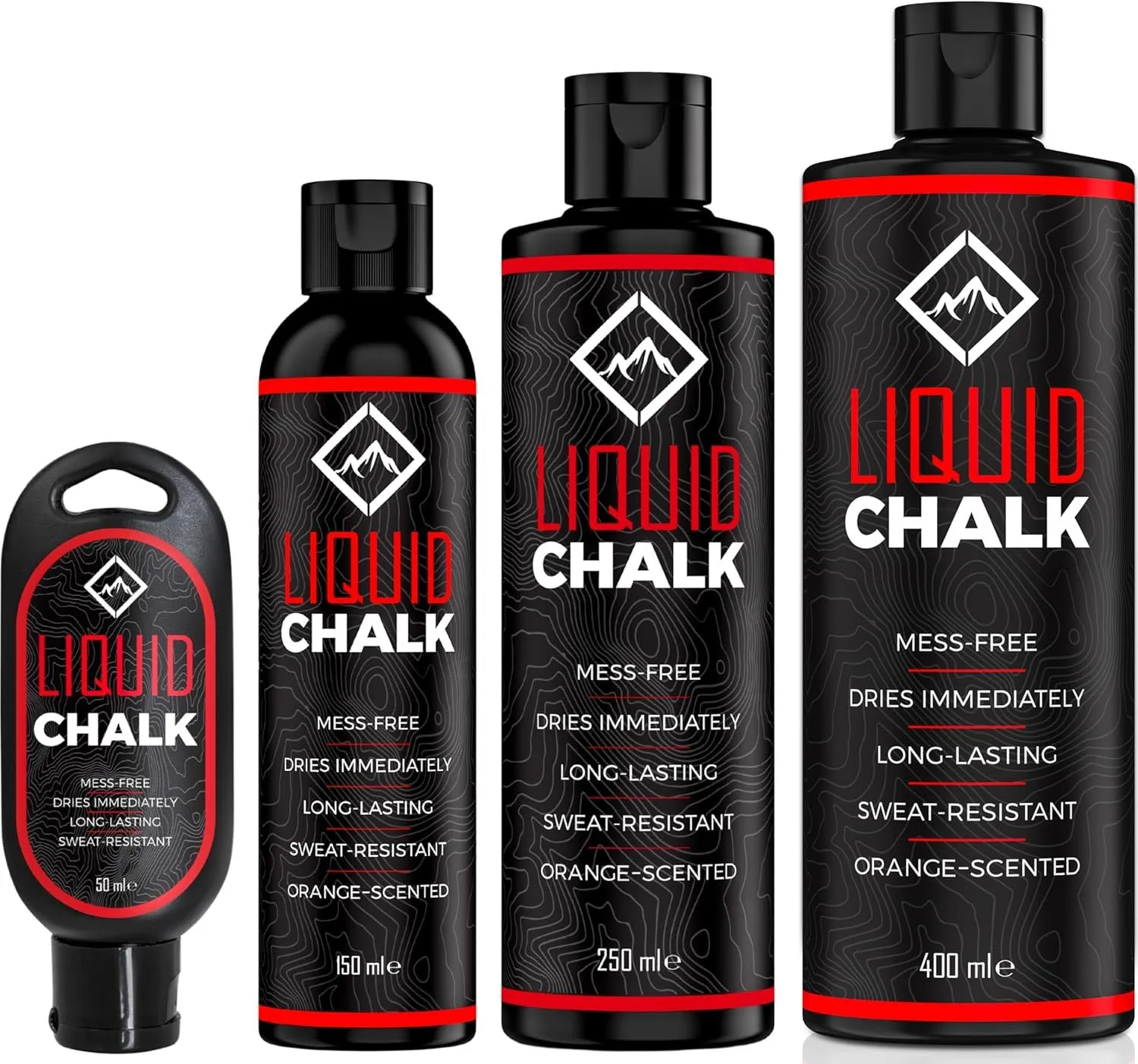
Hockey bags smell terrible. Adding another harsh alcohol-scented product does not help. SURVIVOR's orange fragrance is a small but welcome quality-of-life improvement. The formula itself is a solid mid-range performer with 25-40 minutes of grip at mid-range for its category. The sweat-resistant formulation holds up through intense shifts, and the over 1,300 reviews at 4.6 stars indicate consistent quality.
Read our full SURVIVOR review →
4. Chalkless CLEAR — Best for Glove Preservation
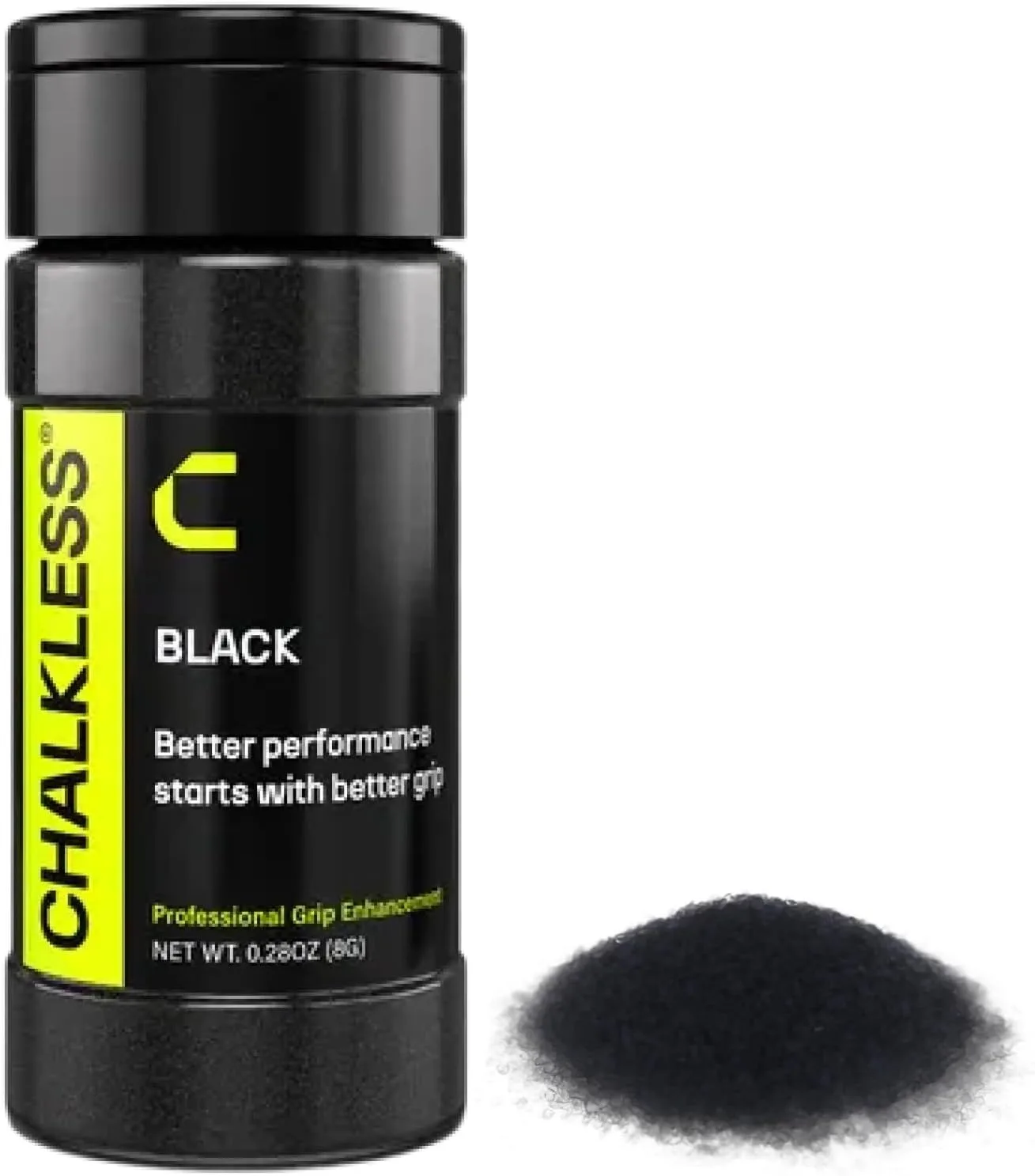
High-end hockey gloves cost upward of $200. If you prefer zero chalk residue inside your gloves, Chalkless CLEAR's silica compound provides grip enhancement without any visible powder. The instant-dry granular application means no waiting in the dressing room. At top-tier, it is the most expensive option, but for players protecting premium gloves, the residue-free formula saves cleaning time and extends glove life.
Read our full Chalkless CLEAR review →
Tape and Grip Maintenance With Chalk
Most hockey players tape their stick grip with cloth hockey tape or use aftermarket grip wraps (Buttendz, Lizard Skins). Liquid chalk interacts differently with each surface. On cloth tape, the chalk absorbs into the fabric slightly, which can make the tape feel drier and grippier than usual — a positive effect. On rubber or silicone grip wraps, the chalk sits on the surface and may make the wrap feel slightly less tacky. If you use a rubber grip wrap and find the chalk reduces tackiness, switch to an under-glove application only.
Replacing tape more frequently is the simplest maintenance adjustment. Chalk residue accumulates in the tape fibers over time, making the tape feel slick instead of grippy. Re-tape every 3-5 practices if you chalk regularly — you should be re-taping that often anyway for optimal stick feel.
Goaltender note: Goalies wear different gloves (blocker and trapper) with more complex grip surfaces. Liquid chalk under a blocker glove can help maintain stick control during the rapid paddle-down and poke-check movements that require a secure hold. For the trapper, chalk is less relevant — the catching motion relies on the glove's webbing, not palm friction.
Hockey Players Ask About Chalk
Can you use liquid chalk under hockey gloves?
Yes. Apply a thin layer to your palms and let it dry fully before pulling gloves on. The chalk absorbs moisture between your skin and the glove liner, keeping the glove interior drier and maintaining a more secure feel on the stick. Avoid thick applications — too much chalk creates a gritty layer that compresses uncomfortably inside a tight glove.
Is liquid chalk allowed in ice hockey games?
USA Hockey, Hockey Canada, and the IIHF do not have explicit rules banning grip substances on hands under gloves. The focus is on stick blade and tape regulations, not hand preparation. In practice, no official has ever flagged a player for chalked hands under gloves. Use it without concern during games.
Does liquid chalk work in freezing rink temperatures?
Ice rink ambient temperatures typically range from 50-65°F (not freezing — only the ice surface is frozen). At these temperatures, liquid chalk performs normally. If you are playing outdoor pond hockey in below-freezing air, the alcohol-based formula takes 5-10 seconds longer to dry, and the bottle may thicken slightly. Keep it inside your bag between applications.
Will liquid chalk damage hockey gloves?
Magnesium carbonate is chemically inert and does not degrade leather, synthetic, or mesh materials found in hockey gloves. The chalk dries as a powder on your skin, not on the glove surface. Over months of use, you may notice faint white residue inside the glove palm — this wipes out easily during glove cleaning.
What about field hockey — does chalk help with stick grip?
Field hockey players benefit from liquid chalk because the stick is gripped bare-handed or with a single thin glove. The flat, narrow field hockey grip generates concentrated palm pressure. Chalk absorbs sweat and provides consistent friction across the grip surface, which is especially useful in rain or humid conditions common in fall outdoor seasons.
Get a Grip on Your Stick
Whether you play ice, field, ball, or roller hockey, the grip equation is the same: dry hands hold sticks better. Liquid chalk takes 15 seconds to apply and provides 30-55 minutes of moisture absorption depending on the formula. For fast application and compact size, EVMT Brands fits into any hockey bag. For all-game hold time without reapplication, Spider Chalk Black Widow delivers.
Get Our Top 3 Picks
Get our top 3 picks for your budget — one email, then only updates.
Only when something changes. Unsubscribe anytime.