Liquid Chalk for Football: Grip Where It Counts
Receiver gloves, lineman grip, and quarterback control — where liquid chalk fits in football and what the rules say.
Why Football Players Need Better Grip
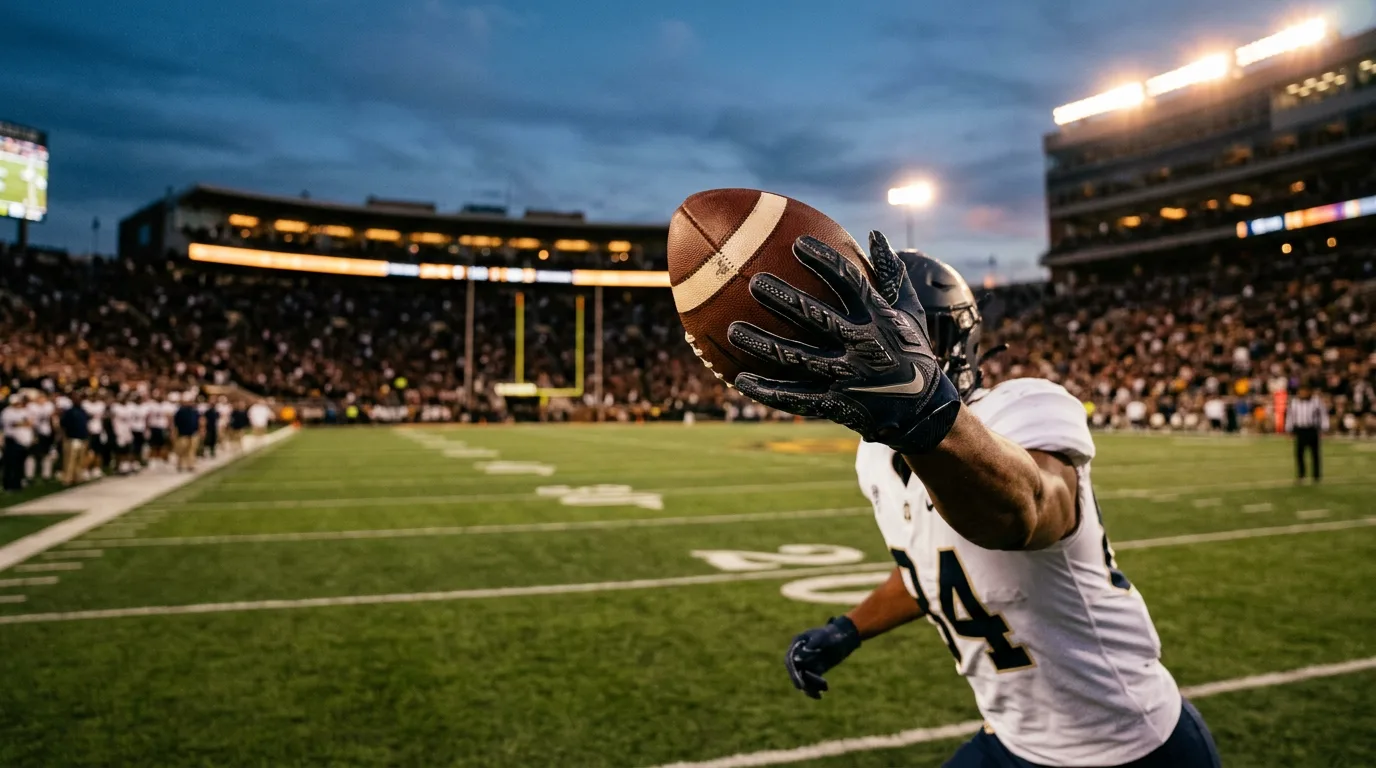
Football is a collision sport played on grass, turf, and mud — and every snap, catch, and block depends on the hands. Receivers run routes at full speed and must secure a spiraling ball in a fraction of a second. Centers snap the ball hundreds of times per game, and a single fumbled exchange ends a drive. Quarterbacks need precise fingertip contact on wet leather. Across every position, grip is not optional. It is the difference between a completion and a turnover.
Most football players solve grip with equipment: receiver gloves with tacky polymer palms, pine tar towels, rosin bags tucked into waistbands. But these solutions have gaps. Gloves wear down mid-game, pine tar gets sticky in heat and useless in cold, and rosin bags leave visible residue that referees sometimes flag. Liquid chalk fills those gaps by creating an invisible, dry base layer that absorbs moisture before it reaches the surface of your hands — or the inside of your gloves.
The use case varies by position. Linemen who play bare-handed benefit most from a full-coverage application. Quarterbacks need just a thin fingertip coat that dries completely before touching the ball. Receivers might layer it under gloves to extend the tacky life of their glove palms. And long snappers — who need the most consistent hand feel on the field — find that liquid chalk reduces the sweaty uncertainty that creeps in during fourth-quarter pressure.
How Liquid Chalk Works on the Football Field
Liquid chalk is a suspension of magnesium carbonate in alcohol. You apply it to your palms, the alcohol evaporates in 10-30 seconds, and what remains is a thin, dry, moisture-absorbing layer of chalk. That layer sits on your skin and wicks away sweat before it can reach whatever you are gripping — a football, a jersey, a facemask, or an offensive lineman's shoulder pad.
On a football field, the primary enemy is variable moisture. Pre-game warmups in morning dew, mid-game sweat during a humid September afternoon, or a November rain game in the fourth quarter — each scenario throws different amounts of moisture at your hands. Liquid chalk addresses the first two well. For heavy rain, it provides a starting layer of protection, but no chalk product keeps pace with a sustained downpour. You will need to reapply at every break in play.
One advantage liquid chalk has over powder chalk or rosin in football: it leaves minimal visible residue. Referees are trained to flag anything that might alter the ball's surface condition. A quarterback with white powder on his fingers draws scrutiny. Liquid chalk dries clear or nearly clear depending on the formula, making it a less conspicuous option than traditional alternatives.
Rule check: The NFL, NCAA, and NFHS do not explicitly ban liquid chalk. The relevant rule is that no substance may be applied to the ball that gives one team an unfair advantage. Liquid chalk applied to hands — and fully dried before handling the ball — generally falls within compliance. When in doubt, ask the head official during the pre-game captains' meeting.
Application Technique for Football
Football application differs from the gym. In the weight room, you apply chalk once and train for an hour. On the field, you have 40-second play clocks, sideline breaks, and unpredictable weather. The application method needs to be fast, targeted, and compatible with gloves.
For bare-hand positions, apply a pea-sized drop to each palm before the game. Rub your hands together for 5-8 seconds, then spread the formula across all fingers and the webbing between them. Wait for a full 20-30 seconds until the tacky, wet feeling disappears completely. What remains should feel dry and slightly chalky — never sticky. Sticky means the formula has not finished drying, and a sticky hand on a football creates more problems than it solves.
For under-glove use, apply a thin layer 10-15 minutes before putting gloves on. The chalk needs to bond to your skin first. If you apply it and immediately pull gloves over wet chalk, the formula transfers to the glove interior and can degrade the tacky palm surface over time. Let it dry, then glove up.
Sideline reapplication is where bottle design matters. A squeeze bottle with a flip-top cap is faster than a screw-cap bottle when you have 30 seconds between possessions. Keep the bottle in a designated sideline spot — not buried in a bag where you have to dig for it while the defense is on the field.
Best Liquid Chalk for Football: Our Picks
Football demands quick-dry formulas that leave minimal residue. The ball must remain unaltered, and officials must not see visible chalk transfer. We evaluated our catalog against these football-specific criteria: dry time under 20 seconds, low residue, moisture resistance, and bottle portability for sideline use.
1. Liquid Grip — Best for Sanctioned Play
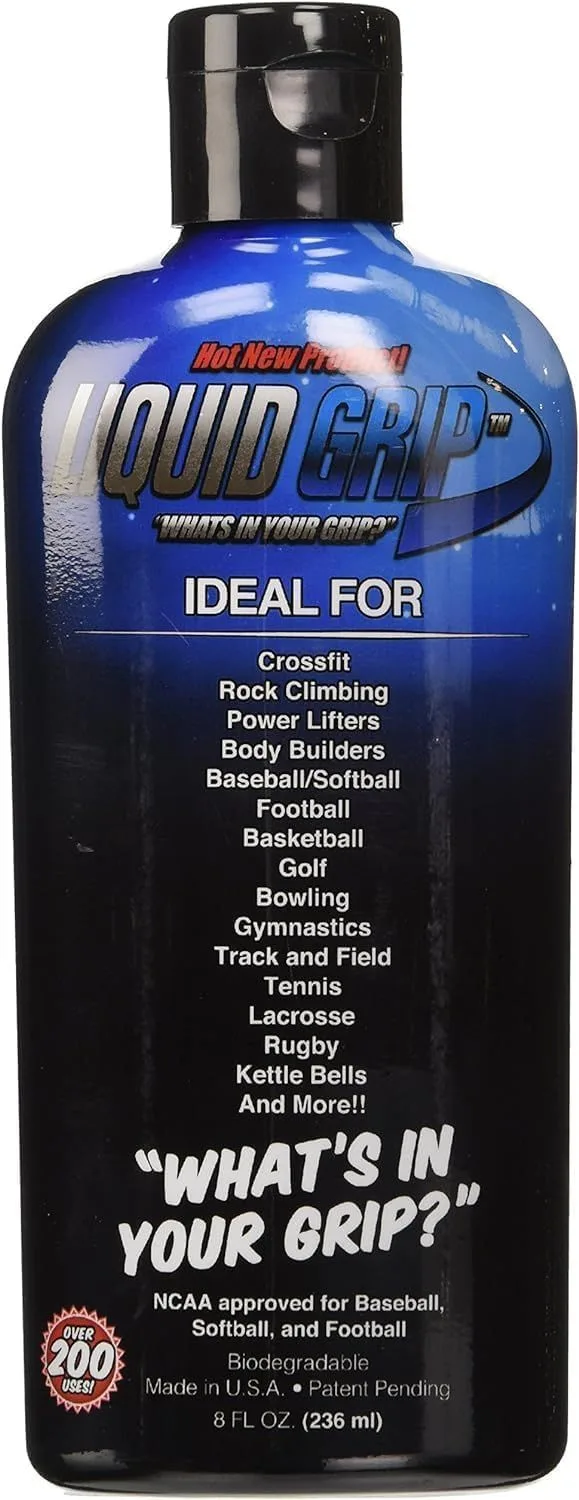
Liquid Grip is the only liquid chalk with written NCAA, NFHS, and ASA approval. For high school and college football players who need a grip aid that won't draw a flag, this is the safe pick. The rosin-enhanced formula provides a tackier hold than pure magnesium carbonate, which helps on damp leather. At premium, it costs more than basic options, but the compliance peace of mind is worth it for game-day use.
The 8 oz bottle is overkill for a single game, but practical for a team that shares a bottle on the sideline during a season. The thicker consistency means it stays put where you apply it instead of running down your wrist.
Read our full Liquid Grip review →
2. Spider Chalk Black Widow — Best Grip Duration
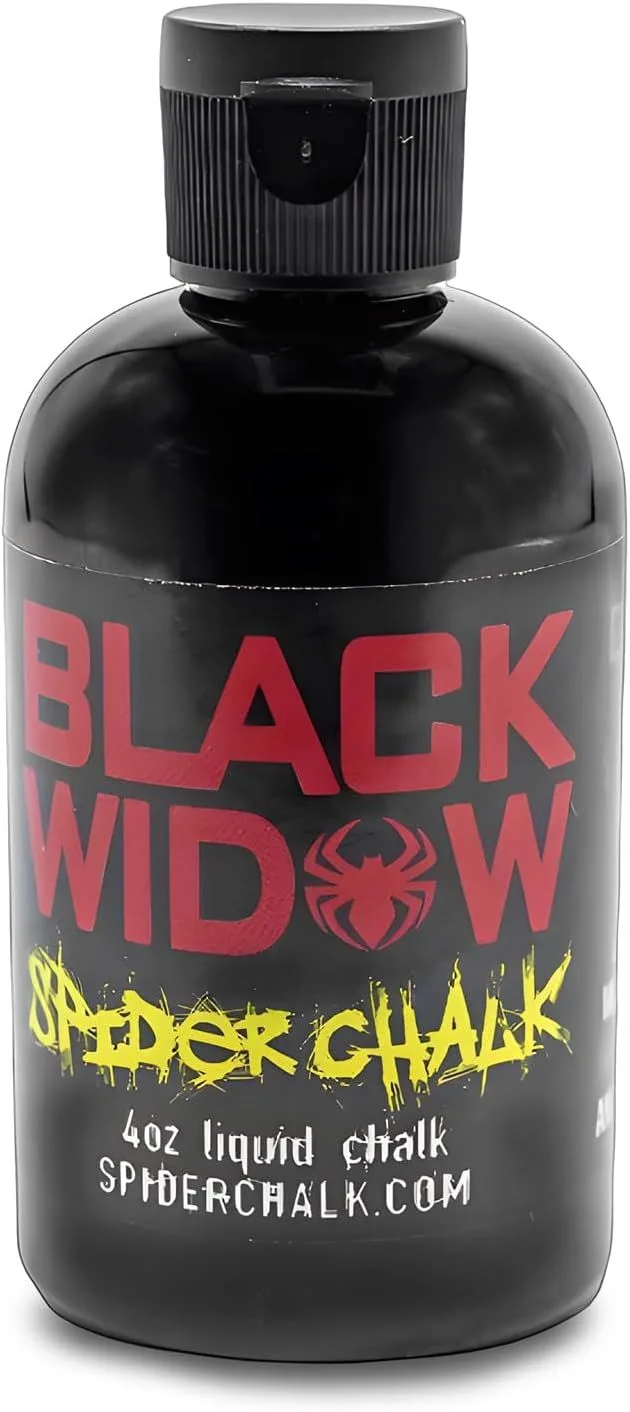
For linemen and long snappers who play bare-handed and need grip that lasts through a full half, Black Widow's Grip-Lock Technology extends hold time to 40-55 minutes under normal conditions. That is nearly an entire half of football without reapplication. The compact 4 oz bottle fits easily in a sideline bag. Made in the USA with lab-grade, skin-friendly ingredients — important for athletes who apply chalk to their hands multiple times per week during the season.
The downside: the extra-thick formula takes slightly longer to dry. Apply it during the last water break before kickoff, not in the huddle.
Read our full Spider Chalk Black Widow review →
3. SPORTMEDIQ Pro Grade — Best for Team Use
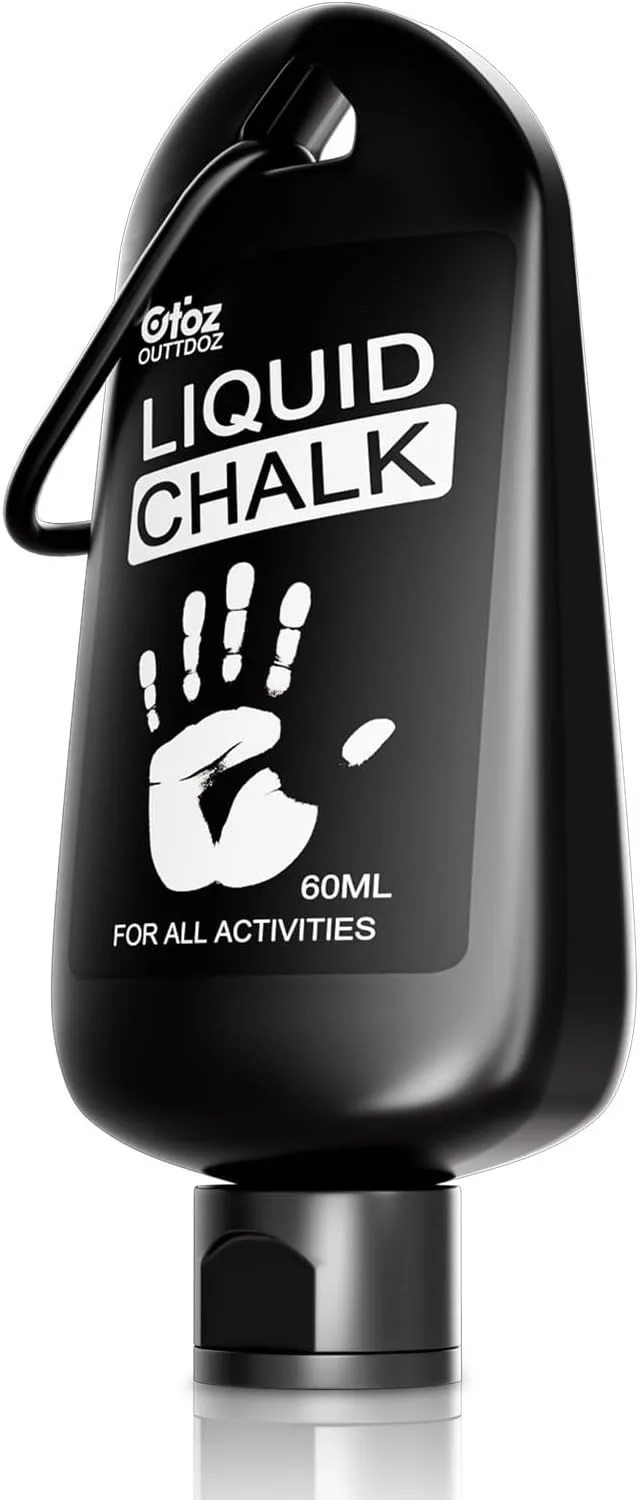
When an entire offensive line is chalking up before practice five days a week, you need volume. SPORTMEDIQ's 8.5 oz bottle is the largest in our catalog, and the lotion-like consistency makes it easy to dispense quickly for a group. The light fragrance is a welcome change from the harsh alcohol smell of most liquid chalks — especially in a crowded sideline environment. At mid-range for its category, the cost per application for a full team is hard to beat.
Grip duration runs 30-45 minutes per application. For practice, that covers most position group drills. For games, plan on a halftime reapplication.
Read our full SPORTMEDIQ review →
4. EVMT Brands — Best Budget Sideline Option
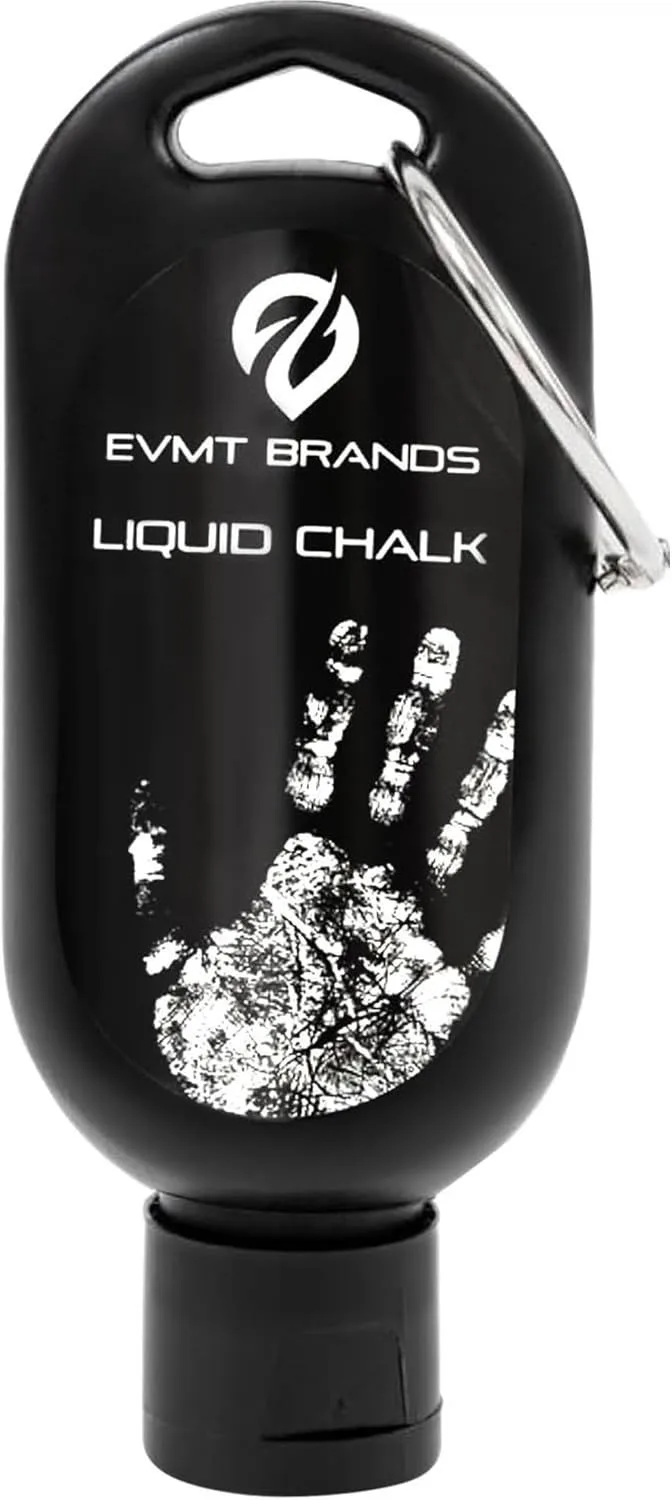
Not every player needs a premium formula. For JV players, weekend flag football leagues, or athletes who just want to try liquid chalk for the first time, EVMT's 50ml bottle at affordably priced is the lowest-risk entry point. The 10-15 second dry time is the fastest in our catalog — useful when you grab a quick application between defensive series. Over 3,100 reviews confirm the formula works for basic grip enhancement.
The small bottle runs out fast if a whole position group is sharing it. Buy the multi-pack for team use.
Read our full EVMT Brands review →
Position-by-Position Breakdown
Quarterback: The QB grip is all about fingertips. Apply a small amount to your index, middle, and ring fingers and the thumb pad. Let it dry completely. You want the chalk to absorb palm moisture, not to add any texture to the ball. Many quarterbacks combine liquid chalk with a separate grip spray or towel specifically designed for football leather. The chalk handles the sweat; the spray handles the ball surface.
Wide Receiver / Tight End: Most receivers wear gloves, so liquid chalk serves as an under-layer. Apply it to your palms before gloving up to keep sweat from saturating the glove interior. This extends the useful life of the tacky palm material by weeks. For receivers who go bare-handed (rare at higher levels but common in pickup games), a full palm and finger application works like it would for any other grip-dependent activity.
Offensive / Defensive Line: Linemen are the best candidates for full-coverage liquid chalk. You are grabbing jersey fabric, shoulder pads, and arm flesh on every play. Sweat makes all of those surfaces slippery. A generous application before the game — covering palms, fingers, and the back of the hand where you grab — provides a continuous grip surface. In rainy conditions, reapply during every TV timeout.
Center / Long Snapper: The snap exchange demands the most consistent hand feel on the field. Centers need chalk on their dominant hand's fingertips for lace contact, and on the guide hand palm for ball control. Long snappers should chalk both hands evenly — the spiral depends on even finger pressure, and uneven chalk coverage creates uneven friction. One light, uniform coat works better than a thick application that creates noticeable texture differences across the ball.
Running Back: Running backs grip the ball against their forearm. Chalk the carrying hand — the hand that cups the front of the ball — and the forearm contact zone. This creates a dry channel for the ball to sit in. Do not chalk the stiff-arm hand unless you also need stiff-arm grip against defenders' facemasks and pads.
Wet Weather and Cold Game Protocols
Rain games are where grip fails cascade. A wet snap leads to a fumbled exchange, leads to a turnover, leads to points for the other team. Liquid chalk cannot prevent this entirely in a downpour, but it can delay the onset of grip failure and give you a window of reliable contact after each reapplication.
In light rain or drizzle, apply a coat before kickoff and reapply at halftime. The chalk layer absorbs the first wave of moisture before your skin gets saturated. In heavy rain, that window shrinks to about 10-15 minutes. Plan to reapply at every stoppage — timeouts, change of possession, end of quarters.
Cold weather adds a different wrinkle. Below 40°F, alcohol-based formulas take longer to dry because the evaporation rate slows. Allow an extra 10-15 seconds of drying time in cold conditions. Some players keep their chalk bottle inside a jacket pocket to prevent the formula from thickening in extreme cold. A thick, cold formula is harder to dispense and takes even longer to dry.
Cold-weather tip: If your bottle's formula has thickened from cold exposure, hold it in your hands or tuck it against your body for 2-3 minutes before applying. Do not microwave or heat the bottle with external heat — the alcohol is flammable and extreme heat degrades the magnesium carbonate.
Liquid Chalk vs. Football-Specific Grip Products
Football has its own grip ecosystem: Grip Boost, Cutters glove spray, Mueller stickum, pine tar towels. How does liquid chalk compare?
Pine tar towels: The traditional sideline grip aid. Pine tar is sticky, visible, and effective — but it transfers to the ball and leaves dark residue on uniforms. Officials in some leagues flag excessive pine tar. Liquid chalk is cleaner and less conspicuous, though pine tar provides a stickier initial grip. Many players layer both: liquid chalk as a base layer, pine tar towel on top for extra tack.
Glove sprays (Grip Boost, etc.): These reactivate the tacky polymer on receiver glove palms. They solve a different problem than liquid chalk — glove tackiness vs. hand moisture. Liquid chalk under gloves and glove spray on top is the most complete grip setup available for skill position players.
Rosin bags: Common in baseball, sometimes seen in football. Rosin leaves visible white-yellow residue and can alter ball surface texture. Liquid chalk accomplishes the same moisture absorption with less visible evidence.
Common Questions About Chalk in Football
Is liquid chalk legal in high school football?
The NFHS does not explicitly ban liquid chalk for football. Skill position players often use grip-enhancing gloves instead. Check with your state athletic association and referee crew before game day — rules vary by state and conference.
Do NFL players use liquid chalk?
Most NFL skill players rely on specialized receiver gloves with built-in tackifiers. Some linemen and long snappers use liquid chalk or pine tar alternatives for bare-hand grip. The NFL permits grip substances as long as they do not transfer to the ball in a way that violates the uniform ball condition rules.
Can liquid chalk damage football gloves?
Magnesium carbonate can dry out the tacky polymer surface on receiver gloves over time. If you use liquid chalk under gloves, apply sparingly and clean the glove palms after each session. Grip enhancers without magnesium carbonate are a safer choice for protecting glove surfaces.
How often do you reapply liquid chalk during a football game?
For bare-hand positions like center or quarterback, reapply at halftime and during extended timeouts. Most liquid chalk formulas hold through 30-45 minutes of active play. Humid or rainy games cut that window to 15-20 minutes between reapplications.
Does liquid chalk work in rain?
Liquid chalk creates a moisture-absorbing base layer that buys you time in light rain. In heavy downpour, no chalk keeps up. Apply a generous coat before the game starts and plan to reapply at every stoppage. Rosin-enhanced formulas hold up better than pure magnesium carbonate in wet conditions.
What is the best grip aid for football quarterbacks?
Quarterbacks need grip that does not transfer visible residue to the ball. A thin coat of liquid chalk on the fingertips — dried completely before handling the ball — provides a baseline grip layer. Many QBs prefer pine tar towels or grip sprays specifically formulated for footballs. Liquid chalk works best as a pre-game base layer under those methods.
Gear Up for Game Day
Grip failures in football are not minor inconveniences — they are turnovers, missed catches, and lost games. Liquid chalk provides a clean, fast, rules-compliant base layer that addresses the root cause: sweat reaching the contact surface between your hands and whatever you are gripping. For game-legal assurance, Liquid Grip leads the field with NCAA and NFHS approval. For maximum grip duration through a full half, Spider Chalk Black Widow delivers 40-55 minutes of hold.
Start with a single bottle for practice. Dial in your application technique — coverage area, drying time, reapplication frequency — before you trust it on Friday night.
Get Our Top 3 Picks
Get our top 3 picks for your budget — one email, then only updates.
Only when something changes. Unsubscribe anytime.