Liquid Chalk for Rowing: Grip the Handle, Pull the Split
Erg handles, sweep oars, and sculling — how liquid chalk prevents blisters and improves grip during 2K tests and steady state.
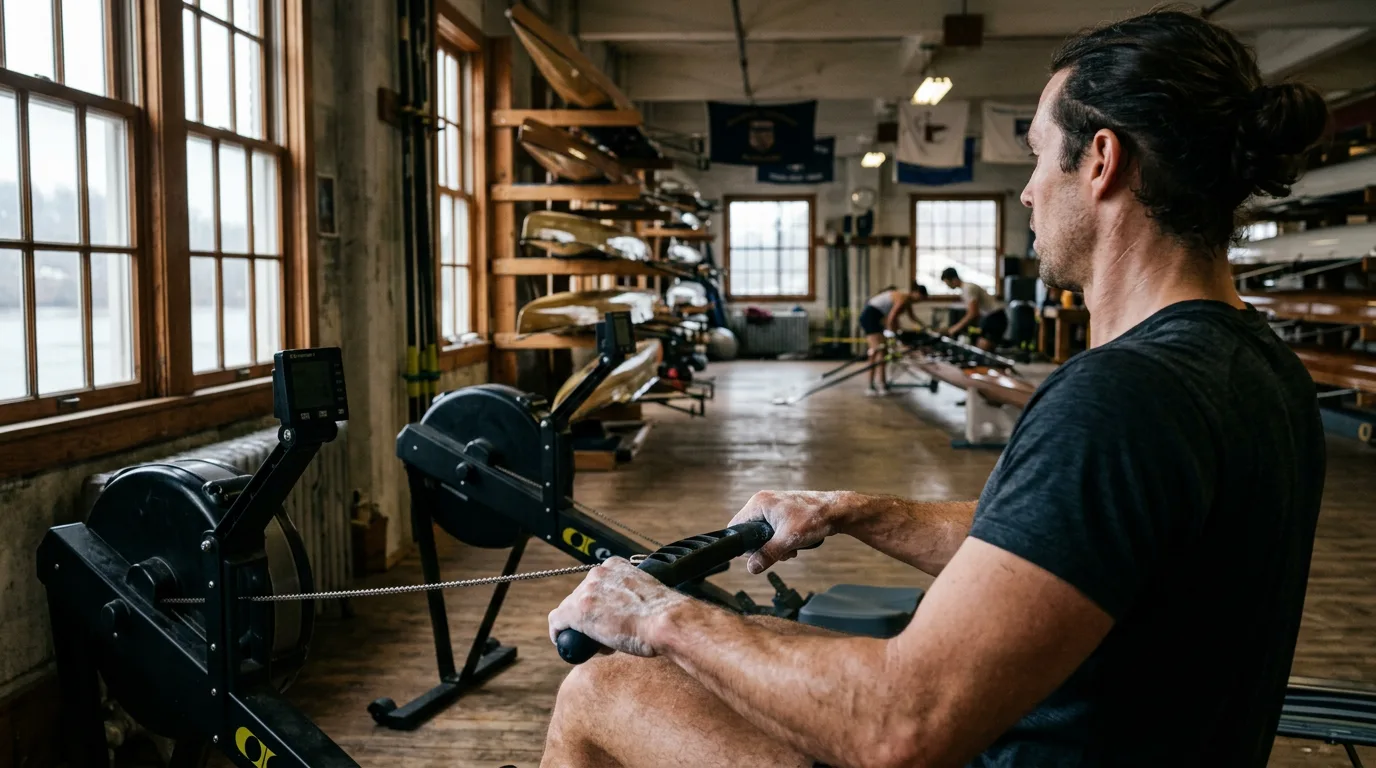
Why Rowers Need Grip They Can Trust
Rowing is one of the most grip-intensive endurance sports. A 2K erg test at competitive pace involves approximately 60-70 strokes, each generating 500-800 watts of force transmitted through the handle. That is 60-70 full-power pulls where your hands are the sole connection between your body's output and the machine. If your grip slips, you lose contact with the handle. Lose contact mid-drive, and you lose rhythm, power, and seconds off your split.
The problem compounds with intensity. As your heart rate climbs above 180 bpm during a race piece, your body floods with sweat. The palms are among the first areas to perspire because they have a high density of eccrine sweat glands. By the 1000-meter mark of a hard 2K, most rowers' hands are wet. By 1500 meters, the grip is the limiting factor for many athletes — not the legs, not the lungs, but the connection between hand and handle.
On-water rowing adds another layer. Oar handles get splashed during the recovery phase. Early-morning rows start with handles slicked by dew. Sweep oars require the outside hand to maintain pressure on a single handle through the entire stroke cycle, with no opportunity to adjust grip. In all of these scenarios, liquid chalk provides the base layer of moisture absorption that keeps the grip solid when everything else is falling apart.
Erg Grip: Where Most Rowers Start
The Concept2 rower is the proving ground for grip products in rowing. Its ribbed handle creates friction points at the finger joints that, combined with sweat, produce blisters. Novice rowers develop blisters in their first week of training. Experienced rowers maintain calluses that protect against blistering — but those calluses still get slippery when wet.
Liquid chalk addresses the erg grip problem at the root. By absorbing palm sweat before it reaches the handle surface, the chalk reduces the shearing motion between skin and ribbing that causes blisters. For experienced rowers with calluses, the chalk keeps the callus surface dry and grippy instead of slick and unpredictable.
Application timing for erg workouts depends on the session type. For steady state (45-90 minutes at moderate intensity), a single application before the piece starts is enough — sweat output at rate 18-22 is low enough that one coat handles the duration. For intervals (short, high-intensity pieces with rest), reapply before each new piece if the rest period is long enough for a 20-second dry time. For a 2K test, apply during your warmup and again 2 minutes before the piece starts. Do not apply during the test — you cannot spare 15 seconds when every stroke matters.
On-Water Application: Oars and Sculls
On-water rowing introduces environmental moisture that ergs do not. Oar handles collect splash from the blade during the recovery, and morning humidity condenses on the grip surface. Liquid chalk does not prevent external water from reaching the handle — but it does keep your palms dry underneath the water, maintaining friction between skin and wood or composite.
Sweep rowing: In sweep boats (pairs, fours, eights), each rower holds a single oar with two hands. The outside hand maintains constant pressure while the inside hand controls feathering. The outside hand takes the most punishment — apply a slightly thicker coat to that palm. The inside hand benefits from chalk on the fingertips where feathering contact occurs.
Sculling: In sculling boats (singles, doubles, quads), each rower holds two oars. The grip is lighter and the handles are thinner than sweep oars. Chalk the entire palm and focus on the finger pads. Sculling grips require more finesse than sweep grips, so use a thin application — you need to feel the handle for precise blade work.
Slide and seat ergonomics: Some rowers also apply chalk to the area where their thighs contact the seat rail. This is an off-label use, but it prevents the seat from sliding during the drive when shorts and thighs are sweaty. A light swipe of chalk on each thigh reduces the slippery seat problem in hot weather.
Boathouse policy check: Some university and club boathouses prohibit loose powder chalk to protect their equipment and floors. Liquid chalk satisfies this restriction because it dries on the skin and does not create airborne dust. Inform your coach or boathouse manager that you are using liquid (not powder) chalk — most will approve it without hesitation.
Best Liquid Chalk for Rowers
Rowing prioritizes grip duration (you cannot pause to reapply mid-piece), low residue (shared erg handles get used by the next athlete), and blister-friendly formulas (skin-safe ingredients that do not aggravate calluses). Here are our picks ranked for rowing use.
1. Spider Chalk White Widow — Best for Race Pieces
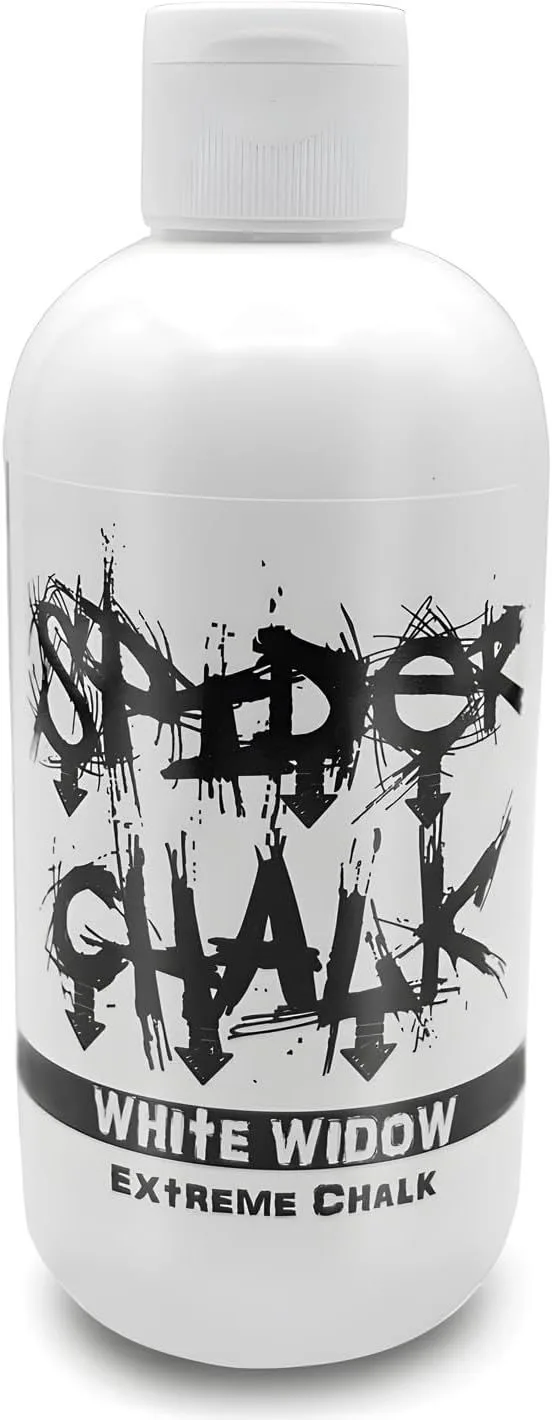
When the 2K test is on the line and you need grip that lasts the full 6-7 minutes without any chance of reapplication, White Widow's up to 60-minute grip duration provides absolute coverage. The nano-resin and tackifier formula bonds aggressively to the skin and resists wash-off from sweat better than any pure magnesium carbonate product. USAW and USAPL sanctioned — while not a rowing-specific certification, it confirms the formula meets athletic competition standards. At mid-range for its category, it costs more per ounce, but you are buying insurance for the most important 2K of your season.
Read our full Spider Chalk White Widow review →
2. SPORTMEDIQ Pro Grade — Best for Team Erg Sessions
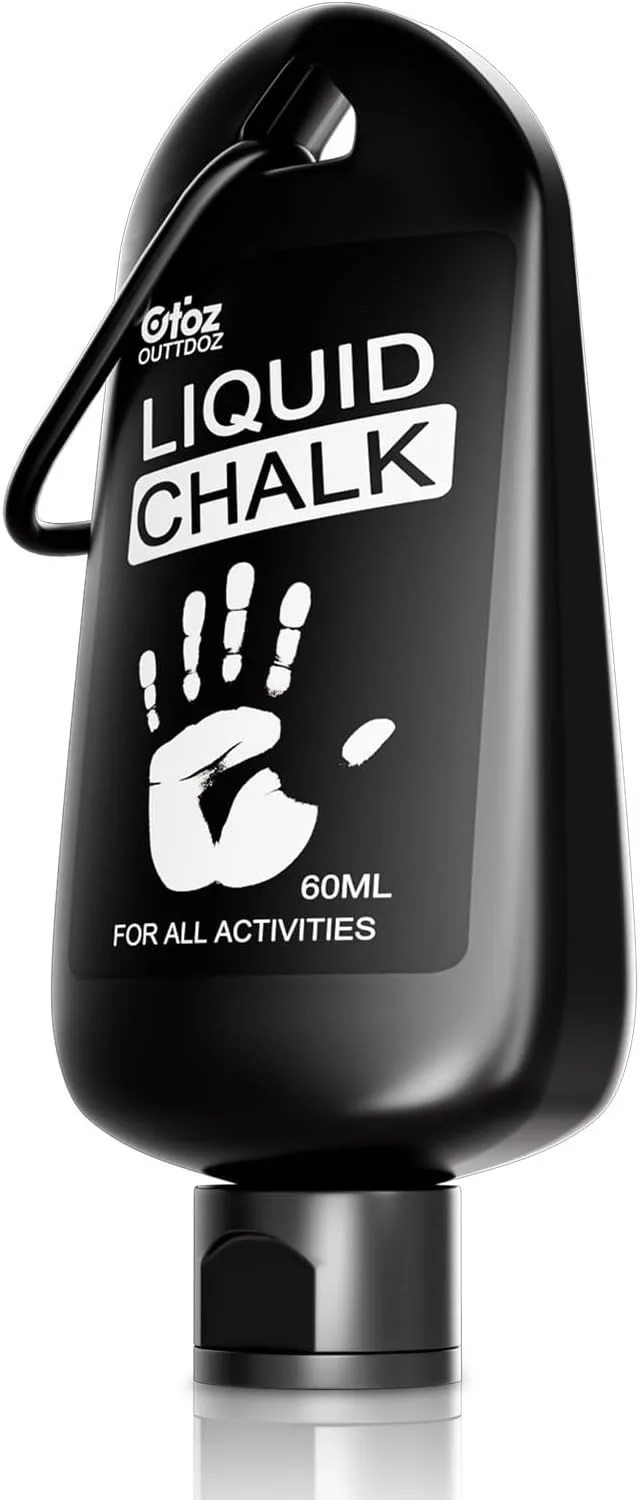
A collegiate or club rowing team runs 20-30 rowers through an erg room in a single session. The 8.5 oz SPORTMEDIQ bottle is the size you need when the bottle circulates before a group test. The lotion-like consistency dispenses cleanly, and the light fragrance is better than harsh alcohol in a crowded indoor space. At mid-range for its category, one bottle handles an entire team for 2-3 erg sessions. Grip lasts 30-45 minutes — covering a 2K test with margin to spare.
Read our full SPORTMEDIQ review →
3. PowerGrip 250ml — Best for Daily Training Volume
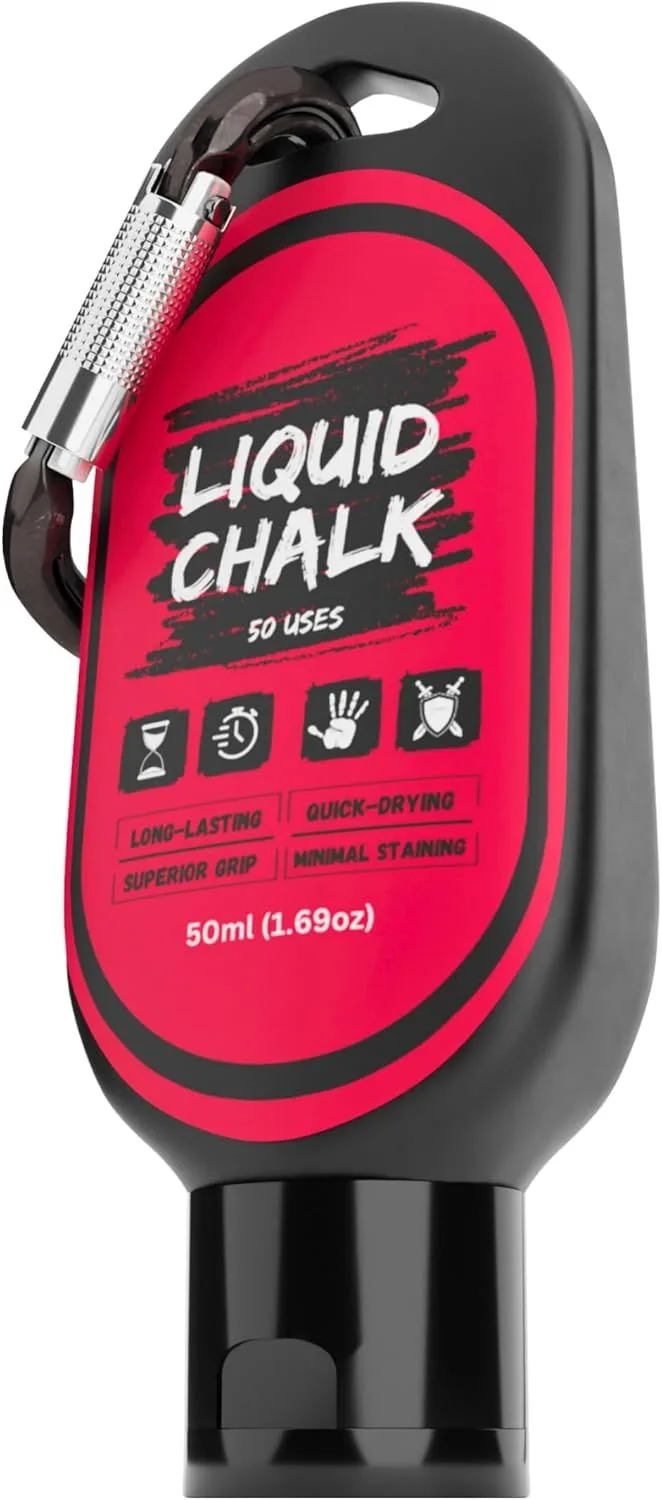
Rowers who train 6 days a week burn through chalk fast. PowerGrip's 250ml bottle at below average for its category provides the best cost-per-application ratio when you are applying twice daily (morning erg, afternoon water). The honey and rosin formula adds a secondary tack layer when the chalk starts to wear off — useful during the second half of a 90-minute steady state piece where you have been pulling for 45 minutes and the chalk is fading.
Read our full PowerGrip 250ml review →
4. EVMT Brands — Best Travel Erg Bottle
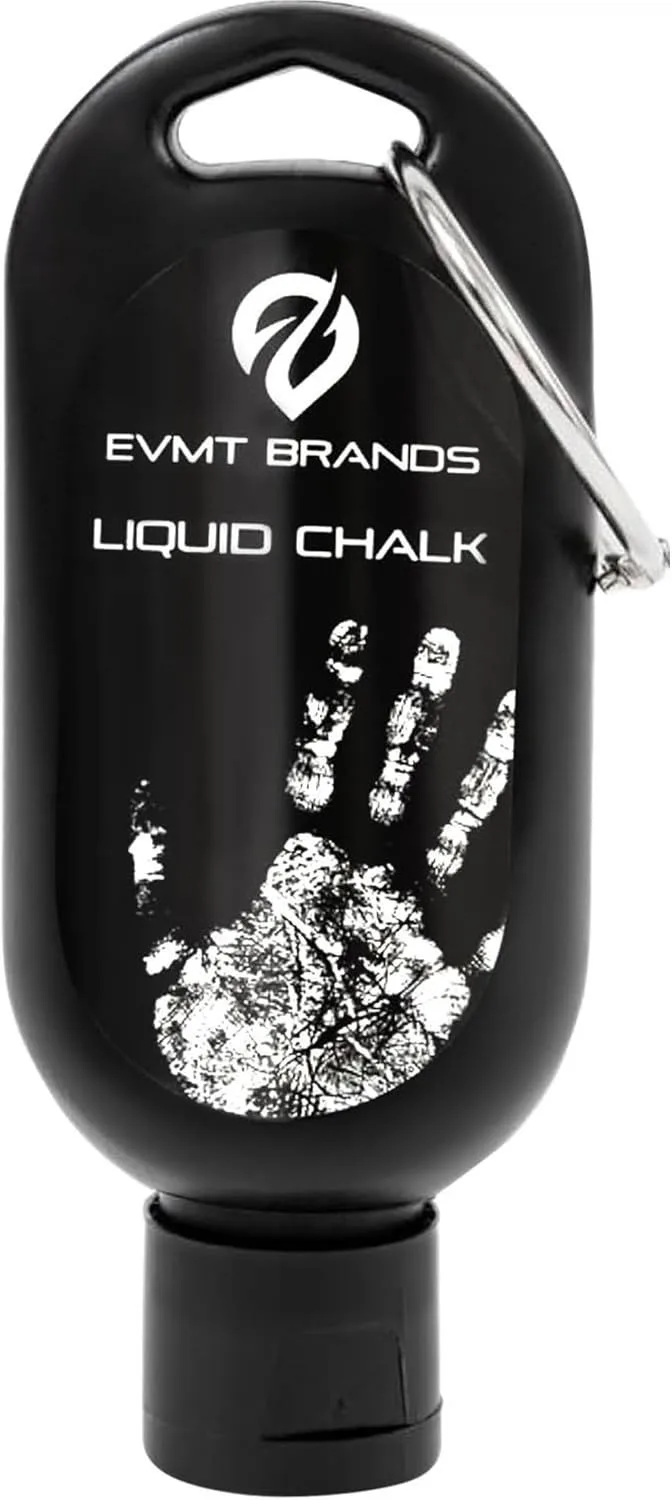
For athletes who travel to different boathouses, training centers, or indoor rowing competitions, EVMT's 50ml bottle at affordably priced fits in the smallest compartment of a gear bag. The 10-15 second dry time means you can apply during the brief break between warm-up and your start piece. Not the longest-lasting formula in our catalog, but the fastest to apply and the easiest to carry.
Read our full EVMT Brands review →
Blister Prevention and Hand Care
Blisters are a rite of passage in rowing — but they do not have to be a recurring problem. Liquid chalk reduces blister frequency by removing the moisture that amplifies the shearing force between skin and handle. Dry skin on a dry handle produces friction without shear. Wet skin on a wet handle produces shear without useful friction. The chalk keeps the equation on the friction side.
For novice rowers building calluses, liquid chalk provides protection during the vulnerable period when new skin is forming. Apply before every session, even at low intensity. The chalk layer acts as a buffer between tender skin and the handle ribbing.
If you already have an active blister or torn callus, wait for the skin to close before applying liquid chalk. The alcohol base (isopropyl or ethanol) stings on open wounds. Once the skin has sealed — even if it is still tender — chalk can help protect the new tissue from re-tearing.
Hand care after rowing with chalk: wash hands with soap and warm water within 30 minutes of training. Chalk that sits on the skin for hours can dry out the surrounding tissue, leading to cracks at the callus edges. After washing, apply a thin layer of unscented hand lotion to the palms. This maintains skin elasticity and prevents the calluses from becoming brittle and prone to tearing.
Rowers' Chalk Questions
Does liquid chalk prevent rowing blisters?
Liquid chalk reduces — but does not eliminate — blisters. Blisters form when skin shears against a surface under pressure. Chalk absorbs the sweat that turns the erg handle into a blister factory, reducing the shearing force. Established calluses combined with chalk provide the best blister prevention. Fresh blisters should be treated before applying chalk — the alcohol base stings on broken skin.
Is liquid chalk allowed in rowing competitions?
World Rowing (FISA), USRowing, and British Rowing do not ban grip-enhancing substances on the hands. Many collegiate and club rowers use liquid chalk or tape during 2K tests and regattas without issue. Some boathouses request no loose powder chalk to protect equipment — liquid chalk satisfies that requirement since it leaves minimal residue.
How does chalk affect the erg handle?
A thin layer of chalk residue builds up on the erg handle over time. On the standard Concept2 ribbed handle, this residue is barely noticeable and wipes off with a damp cloth. On smooth-handle ergs, the chalk can make the surface slightly less slippery — most rowers consider this a benefit. Clean the handle after heavy chalk use to prevent buildup.
Should I chalk for steady state or just tests?
For steady state at low intensity (rate 18-22), chalk is optional — grip is rarely a limiting factor at moderate power. For high-intensity pieces (2K, 5K tests, race-pace intervals), chalk makes a meaningful difference because sweat output spikes and grip fatigue compounds with leg drive fatigue in the final 500 meters.
Can I use liquid chalk for on-water rowing?
Yes, with caveats. On-water oar handles get wet from splash and rain. Liquid chalk provides a base layer of moisture absorption, but it wears off faster than on a dry erg handle. Apply before launch and expect to reapply if the session exceeds 45 minutes. Keep the bottle in a dry bag or your splash jacket pocket.
Does chalk affect my hand position on the oar handle?
No. Chalk does not change hand position or grip width. It reduces the slippery gap between your skin and the handle surface, which can actually improve positional consistency — your hands are less likely to shift during the drive because friction holds them in place.
Pull Harder With Better Grip
Grip failure at 1500 meters is the most common reason rowers lose seconds on their 2K split. Liquid chalk removes that variable by keeping your palms dry from start to finish. For the definitive race-day formula, Spider Chalk White Widow provides up to 60 minutes of hold. For daily training at volume, PowerGrip 250ml delivers the best cost per application in a formula that lasts through 90-minute steady state pieces.
Get Our Top 3 Picks
Get our top 3 picks for your budget — one email, then only updates.
Only when something changes. Unsubscribe anytime.