How to Remove Liquid Chalk: Hands, Clothes, Equipment & More
Liquid chalk is designed to stay on your hands — that is the entire point. But after your session ends, you need it off your skin, out of your clothes, and wiped from the equipment. The removal difficulty depends on the formula: basic magnesium carbonate rinses off easily, while rosin-enhanced and nano-resin products require more effort. Here is how to clean every surface.
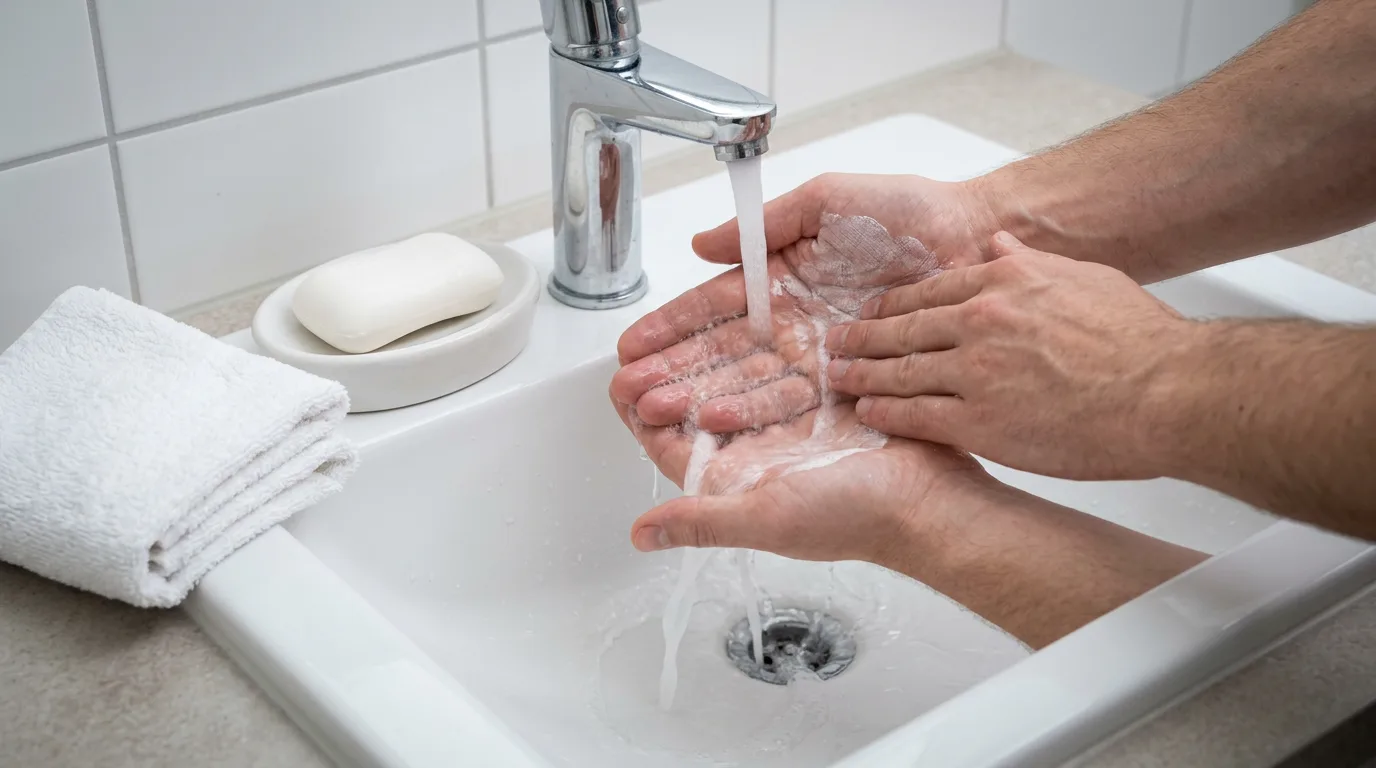
The cleaning process is straightforward for standard formulas. But athletes using advanced products with rosin, honey, or nano-resin additives sometimes struggle to get their hands fully clean — and end up leaving white marks on steering wheels, phone screens, and doorknobs. The difference between a quick rinse and a stubborn scrub comes down to knowing what is in your chalk and how each ingredient responds to water, soap, and friction.
Removing Liquid Chalk From Your Hands
Start with the simplest approach and escalate only if needed.
Step 1 — Dry rubbing: Before adding water, rub your hands together firmly for 10-15 seconds. This breaks up the bonded chalk layer and loosens dried magnesium carbonate from your skin. You will see white flakes coming off. This step alone removes 30-40% of the residue.
Step 2 — Warm water rinse: Run warm (not hot) water over your hands while continuing to rub. Warm water softens the chalk layer and accelerates dissolution. For standard magnesium-carbonate-only formulas, this step combined with rubbing removes nearly all residue within 20-30 seconds.
Step 3 — Soap: If white residue persists after rinsing — common with rosin-enhanced and thick-paste formulas — apply soap and lather thoroughly. Soap breaks the surface tension of the bonded chalk layer and dissolves the oils in rosin compounds. Any hand soap works. Dish soap works faster due to its stronger degreasing action but is harsher on skin.
Step 4 — Nail brush or scrubber: Rosin-heavy products and nano-resin compounds can leave residue in the creases of your fingers and around cuticles even after soaping. A soft nail brush or a rough washcloth provides the mechanical action needed to dislodge chalk from these textured skin areas. This step is rarely needed for standard formulas but becomes standard for products like Liquid Grip, which uses a thicker, stickier base.
Why Some Formulas Are Harder to Remove
The difficulty of removal maps directly to the ingredients in the formula. Understanding this saves time because you can match the right cleaning method to your specific product.
Magnesium carbonate + alcohol only: The easiest to remove. The chalk is water-soluble and the alcohol has already evaporated. Warm water and light rubbing handle it completely. Budget and mid-range products like SPORTMEDIQ Pro Grade and EVMT Brands fall in this category.
Rosin-enhanced: Rosin (pine resin) is not water-soluble. It is an organic compound that requires soap or an oil-based solvent to break down. Products like Liquid Grip and certain competition-grade chalks contain rosin for extra tackiness — which also means extra cleaning effort. Soap is required. A nail brush helps.
Honey-blend: Honey creates a sticky secondary layer that is actually easier to wash off than rosin because honey dissolves readily in warm water. The stickiness disappears quickly under running water. Products like SPORTMEDIQ (which includes honey) rinse clean faster than you might expect despite the tacky in-use feel.
Nano-resin / proprietary compounds: These create the strongest bond to skin, which is why they last the longest during training. The trade-off is removal difficulty. Spider Chalk White Widow and similar nano-resin products require soap and thorough scrubbing. Some athletes use a pumice stone or exfoliating scrub post-workout, though this is aggressive and only necessary if standard soap does not work.
Removing Liquid Chalk From Clothing
White chalk marks on dark gym clothes are the most visible sign of liquid chalk use. The good news: magnesium carbonate does not chemically bond with textile fibers the way dye or paint does. It sits on top of the fabric surface.
Fresh marks: Brush off excess chalk with your hand or a dry cloth. Most of it comes off immediately. The remaining faint mark washes out in a normal laundry cycle — no pre-treatment needed. Cold or warm water, regular detergent, any machine setting.
Set-in marks (dried for hours): Still not permanent. Shake the garment to dislodge loose chalk, then wash normally. If the mark persists after one wash (rare), apply a small amount of liquid laundry detergent directly to the mark, rub gently, and wash again.
Rosin stains: This is the one exception to the "easy cleanup" story. Rosin can leave a faintly yellowish mark on light-colored fabrics that survives a standard wash. Pre-treat the stain with a dab of rubbing alcohol or a commercial stain remover before washing. Do not put the garment in the dryer until the stain is confirmed gone — heat from the dryer can set rosin stains permanently.
Cleaning Liquid Chalk From Gym Equipment
Responsible chalk use includes wiping equipment after your session. Liquid chalk leaves less residue than powder, but it does leave some — especially on textured surfaces like barbell knurling and pull-up bar tape.
Barbells: Wipe the shaft with a dry microfiber cloth or gym towel. For deeper cleaning, use a nylon barbell brush (the same tool used for regular barbell maintenance). Do not use chemical cleaners, alcohol wipes, or WD-40 on barbell knurling — these strip protective coatings and can accelerate rust on bare steel bars. A dry brush is sufficient for chalk residue.
Pull-up bars: Wipe with a damp cloth. Chrome and painted bars clean easily. Textured rubber-coated bars may hold chalk in the surface pattern — a damp cloth with gentle scrubbing clears it. Avoid abrasive pads that could damage the rubber coating.
Dumbbells and kettlebells: A dry towel wipe handles most residue. Rubber-coated and vinyl-coated weights are particularly easy to clean. Cast iron kettlebells with raw finishes may need a damp cloth if chalk settles into the casting texture.
Machine handles and cable attachments: Wipe with a damp cloth or the gym-provided equipment wipes. These surfaces see the most contact from multiple users, so cleaning them is both courtesy and hygiene. Chalk residue mixed with sweat from multiple users creates a slippery film that degrades grip for the next athlete.
Getting Chalk Off Climbing Holds
Rock climbing gyms face a unique chalk management challenge. Hundreds of holds across dozens of routes accumulate chalk from hundreds of climbers. Liquid chalk deposits are thinner and more uniform than powder chalk buildup, making them somewhat easier for routesetters to clean.
For gym staff, the standard hold-cleaning protocol works for liquid chalk residue: soak holds in hot water with a mild detergent, scrub with a stiff brush, rinse, and dry. Commercial hold cleaners (like Metolius Grip Saver or E-Grips) dissolve chalk efficiently. Liquid chalk residue does not require any different process than powder chalk — it just produces less buildup per climber session.
For personal holds in a home wall, a bucket of hot soapy water and a brush handle the job. Clean holds every 2-3 months (or when grip starts feeling slick from chalk buildup) to maintain texture.
Removing Chalk From Skin After Extended Sessions
Training sessions lasting 90 minutes or more with multiple reapplications create thicker chalk buildup. The layered residue — multiple dried coats stacked on top of each other — can feel like a second skin after a long session. Standard soap and water usually handles it, but heavy sessions may need a slightly more aggressive approach.
An exfoliating body wash or scrub cuts through layered residue faster than regular soap. The physical exfoliant particles help break the bonded chalk layers off the skin surface. Apply after the soap-and-water step if residue remains.
Baby wipes are a popular gym-bag solution for athletes who train at facilities without good sinks. They do not fully remove chalk (not enough friction or soap), but they get you to a socially acceptable level of cleanliness for the drive home. Follow up with proper hand washing at home.
Cleaning Chalk From Hard Surfaces at Home
If chalk residue transfers from your hands to household surfaces — countertops, door handles, light switches, phone screens — the cleanup is simple. A damp cloth wipes chalk off any hard, non-porous surface in seconds. For glass and screens, a microfiber cloth (dry) removes all residue without streaking.
Car steering wheels are the surface athletes most commonly chalk-contaminate. Leather steering wheels can be wiped with a damp cloth and optionally treated with leather conditioner afterward. Rubber and polyurethane steering wheel covers clean with any damp cloth. If chalk residue builds up on your steering wheel repeatedly, keep a pack of baby wipes in the car and wipe the wheel before driving.
Phones and tablets accumulate chalk residue around button edges and in case seams. A slightly damp microfiber cloth handles the screen. For case edges and seams, a cotton swab reaches into the narrow spaces. If you train with your phone nearby (for music or logging), consider applying chalk and waiting for it to dry before handling your phone.
What NOT to Use for Cleanup
A few common cleaning mistakes can damage equipment or skin:
Do not use acetone (nail polish remover): Acetone dissolves rosin-based chalk residue extremely well — but it also strips finishes from equipment, damages plastic surfaces, and is aggressively drying to skin. Soap is sufficient for any liquid chalk formula.
Do not use abrasive scouring pads on equipment: Steel wool, Scotch-Brite pads, and other abrasives remove chalk but also scratch chrome, painted surfaces, and rubber coatings. Use soft cloths or nylon brushes only.
Do not use bleach or harsh chemicals on skin: If chalk residue is stubbornly sticking to your hands, the answer is more soap and more rubbing — not stronger chemicals. Bleach-based wipes and concentrated cleaners cause skin irritation that is far worse than leftover chalk.
Do not use hot water on rosin stains: Hot water can set rosin into fabric fibers. Use cold or warm water for the initial treatment of rosin-stained clothing. Apply rubbing alcohol or stain remover first, then wash in cool water.
Chalk Residue Removal: Common Questions
Does liquid chalk wash off with just water?
Basic formulas with only magnesium carbonate and alcohol wash off with warm water and rubbing. However, rosin-enhanced or nano-resin formulas leave a tackier residue that requires soap. Warm water alone will remove 60-70% of most formulas, but soap cuts through the remaining bonded layer much faster.
Will liquid chalk stain my gym clothes?
Standard liquid chalk (magnesium carbonate) leaves white marks on dark clothing but does not permanently stain fabric. A normal machine wash cycle removes it completely. Rosin-containing products can leave a slightly yellowish residue that may need pre-treatment with a stain remover before washing. Do not put rosin-stained clothes in a hot dryer before washing — heat sets the stain.
How do I get liquid chalk off a barbell?
Wipe the barbell with a dry microfiber cloth or gym towel immediately after use. For stubborn residue, a damp cloth works. Do not use chemical cleaners or alcohol wipes on barbell knurling — they can strip the protective coating on stainless steel bars and accelerate oxidation on bare steel bars. A dry brush (like a nylon barbell brush) is the safest deep-cleaning tool.
Does liquid chalk damage climbing holds?
No. Liquid chalk residue sits on the surface of climbing holds and does not penetrate the polyurethane or polyester resin they are made from. Holds are regularly cleaned by gym staff using hot water, mild detergent, or commercial hold cleaners. Liquid chalk residue is easier to clean off holds than packed-in powder chalk, which compresses into the hold texture.
Can I remove liquid chalk from leather or suede?
From smooth leather (lifting belts, shoes), wipe with a damp cloth and the chalk comes off cleanly. From suede, brush gently with a suede brush — the chalk sits on the surface nap. Do not use wet cloths on suede as water causes staining. For persistent marks on suede, a dedicated suede eraser removes chalk residue without damaging the material.
How do I clean liquid chalk out of a gym bag?
Turn the bag inside out and shake loose any dried chalk flakes. Wipe the interior with a damp cloth. For fabric bags, a machine wash on cold with mild detergent removes all residue. For bags that cannot be machine washed, use a damp sponge with a small amount of dish soap, then air dry. Prevention is easier — store your chalk bottle in a small zip-lock bag inside your gym bag.
Get Grip Tips Delivered
One email per week. Honest reviews, no spam.
Only when something changes. Unsubscribe anytime.