How to Choose Liquid Chalk: Complete 2026 Buying Guide
Walk into any gym supply aisle — digital or physical — and you'll find dozens of liquid chalk bottles that all claim to be the best. But the differences between a budget 50ml squeeze bottle and a competition-grade nano-resin paste are real, measurable, and worth understanding before you spend your money.
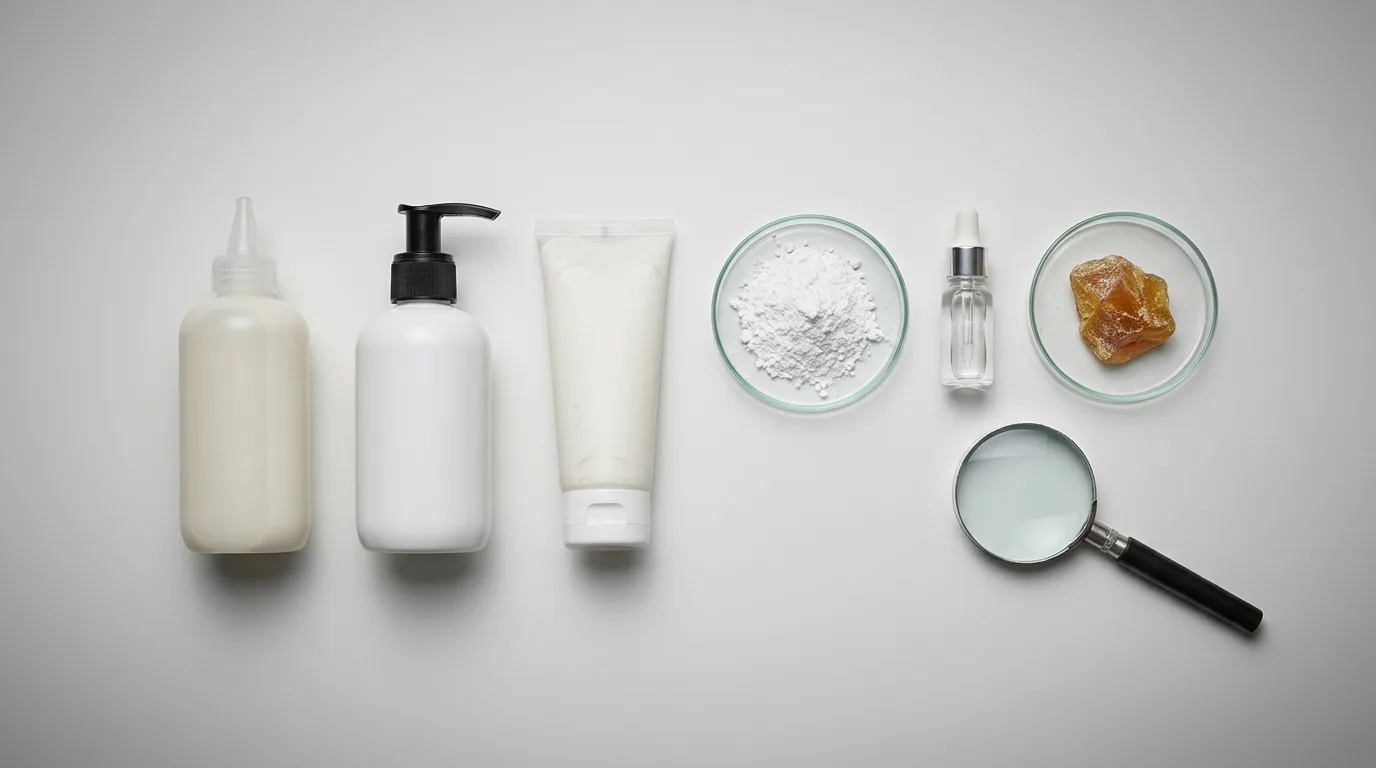
We analyzed 19 liquid chalk products across 3 categories, cross-referencing over 13,000 combined Amazon reviews, manufacturer specs, and athlete feedback from climbing forums, powerlifting communities, and CrossFit boxes. This guide distills that research into the decision framework that actually matters.
What Makes Liquid Chalk Different From Powder
Liquid chalk is magnesium carbonate suspended in an alcohol carrier. You squeeze it onto your palms, rub your hands together for 5–10 seconds, and the alcohol evaporates — leaving a dry, even layer of chalk bonded to your skin. Powder chalk sits on top of the skin surface and disperses into the air. Liquid chalk bonds to the skin and stays put.
That bonding mechanism is why gyms prefer it. No airborne dust settling on equipment, no white handprints on benches, no chalk clouds drifting toward the cardio section. For the athlete, the practical advantage is consistency: every application delivers the same coverage, unlike powder where the amount varies with each dip into the chalk bag.
Breaking Down the Ingredients
Every liquid chalk bottle starts with two base ingredients: magnesium carbonate (the chalk itself) and an alcohol carrier (usually isopropyl alcohol or ethanol). The magic — and the price differences — come from what else is in the formula.
Magnesium Carbonate (MgCO3)
This is the workhorse. Magnesium carbonate is hygroscopic — it absorbs moisture from your palms and creates a dry friction layer between your skin and whatever you're gripping. The particle size and purity vary between brands, and finer-ground particles produce a smoother, more even coating. Products that list "pharmaceutical grade" or "USP grade" magnesium carbonate use a more refined powder.
Alcohol Carrier
The alcohol dissolves the magnesium carbonate into a spreadable liquid, then evaporates to leave the chalk behind. Isopropyl alcohol (rubbing alcohol) is the most common carrier. Ethanol is gentler on skin but evaporates slightly slower. The alcohol concentration determines dry time — formulas with higher alcohol ratios dry in under 15 seconds, while thicker pastes with less alcohol take 20–30 seconds.
Rosin
Rosin (pine resin derivative) adds tackiness beyond what magnesium carbonate provides alone. Products containing rosin grip harder on smooth surfaces like chrome barbells and climbing holds. The catch: rosin leaves a stickier residue that's harder to wash off, and some athletes with tree-nut sensitivities may react to it. Liquid Grip and Spider Chalk's White Widow are two notable rosin-enhanced options in our catalog.
Honey
A less common additive that provides a secondary grip layer. When the primary chalk coating starts to wear, the honey creates a subtle tack that extends useful grip time. PowerGrip's formula uses this approach — the honey activates as the magnesium carbonate breaks down, buying an extra 10–15 minutes before reapplication.
Nano-Resins and Tackifiers
Spider Chalk's proprietary Grip-Lock Technology uses nano-resin compounds that create a molecular-level bond with skin. These advanced additives push grip duration past the 45-minute mark — sometimes to 60 minutes. The cost per bottle is higher, but the cost per effective grip-hour can actually be lower for athletes who train for extended sessions.
Silica Silylate (Non-Traditional)
Chalkless products use a patented silica silylate compound instead of magnesium carbonate entirely. The granular application creates an invisible grip layer with zero residue — a fundamentally different approach suited for activities where visible chalk marks are unacceptable, like pole dancing or gymnastics on competition day.
Formula Types: Thin, Thick, and Granular
Liquid chalk isn't a single product category — it's three distinct formula types that each serve different athletes.
Thin/Liquid Formulas
These have a watery consistency that pours easily and dries in 10–15 seconds. Best for quick applications between sets and for athletes who reapply frequently. The downside: thin formulas coat less evenly and wear off faster, typically lasting 15–25 minutes. Most budget options fall into this category. Good for casual gym use, beginners trying liquid chalk for the first time, and situations where speed matters more than duration.
Thick/Paste Formulas
Paste-consistency chalks require more effort to spread but deliver a thicker, longer-lasting coating. Dry times run 20–30 seconds. Grip duration extends to 35–60 minutes depending on the additives. These formulas work best for powerlifters pulling heavy deadlifts, climbers on long routes, and anyone who hates mid-session reapplication. The downside: you need to apply them more carefully to avoid clumping, and the thicker residue takes more effort to wash off.
Granular/Rub-On Formulas
The Chalkless products represent this category — dry granules rubbed between the palms that create grip through silica compounds rather than magnesium carbonate. Application is instant (no dry time), the coating is invisible, and there's zero mess. The downside is price: the cost per application is the highest in our catalog, and the grip feel is noticeably different from traditional chalk.
The Five Buying Criteria That Actually Matter
1. Dry Time
Dry time ranges from instant (granular products) to 30 seconds (thick pastes). For most gym athletes, anything under 20 seconds is fine — you're chalking up between sets with at least 60–90 seconds of rest. Climbers at the base of a route or powerlifters in a competition warm-up room may need sub-15-second dry times to keep their flow going. If dry time is your top priority, thin formulas with high alcohol concentrations are your best bet.
2. Grip Duration
This is the single biggest differentiator between products. Budget formulas last 15–20 minutes. Mid-range products extend to 25–40 minutes. Premium options with rosin, honey, or nano-resins push past 45 minutes, with some reaching 60 minutes in moderate conditions.
Your sweat level matters enormously here. Manufacturer-stated grip times assume moderate sweating. Heavy sweaters can cut those numbers in half. If you soak through a cotton T-shirt in 20 minutes of lifting, plan on the lower end of every product's stated range and consider rosin-enhanced formulas that fight moisture more aggressively.
3. Volume and Value
Liquid chalk comes in three main size brackets:
- 50–60ml (travel/compact): 30–60 uses per bottle. Best for gym bags, trying a new brand, or athletes who train 2–3 times per week.
- 150–250ml (large bottle): 150–400 uses per bottle. Best for daily trainers, home gyms, and anyone who wants to minimize reordering.
- 8g tubes (grip enhancers): Varies by application thickness. Best for specialized activities where invisible grip matters.
Cost per application is a more useful metric than bottle price. A budget-friendly 50ml bottle might cost less upfront but deliver fewer uses per milliliter than a mid-range 250ml option. Calculate what you'll actually spend over 3–6 months of regular use before deciding.
4. Ingredients and Skin Compatibility
If you train daily, the alcohol in liquid chalk will dry your hands. This is unavoidable — the same drying effect that creates grip also strips moisture from skin. Mitigate it by moisturizing after training (not before — lotion before chalking kills the grip). Athletes with eczema, psoriasis, or sensitive skin should test a small amount on the back of their hand before committing to a full workout application.
Rosin-containing products grip harder but are harsher on skin and can cause reactions in people with tree-related allergies. If you have known sensitivities, stick to pure magnesium carbonate formulas.
5. Scent
Most liquid chalks smell like rubbing alcohol during application. The scent fades once the alcohol evaporates (15–30 seconds), but the initial hit can be strong — especially in enclosed spaces like home gyms. A few products address this: SURVIVOR uses orange fragrance, and some brands use ethanol which has a milder odor than isopropyl alcohol. If scent bothers you, this is worth paying attention to in reviews.
Budget Ranges: What Your Money Gets You
Liquid chalk spans a wide price range, and the correlation between price and performance is real but not linear.
Budget Tier (Under $8)
Products in the budget tier deliver basic magnesium carbonate grip with minimal additives. Expect dry times of 10–15 seconds and grip duration of 15–25 minutes. These are perfectly fine for casual gym use — deadlifts, pull-ups, and barbell rows where you're resting between sets anyway. You'll reapply more often, but the low per-bottle cost offsets that. Catalyst Nutrition and Medi Chalk fall here.
Mid-Range ($8–$20)
This is where most athletes find their sweet spot. Mid-range products often include performance additives (rosin, honey, antibacterial agents) and come in larger bottles with better cost-per-use economics. Grip duration extends to 25–50 minutes. EVMT Brands, WARM BODY COLD MIND, SpartaFlex, and SURVIVOR sit in this range. If you train 3+ days a week and want reliable grip without premium pricing, shop here.
Premium ($20+)
Premium liquid chalks justify their price with advanced formulations, competition certifications, or specialized technology. Nano-resin compounds, USAW/USAPL sanctioning, and 60-minute grip durations are typical features at this tier. SPORTMEDIQ Pro Grade, Liquid Grip, and Spider Chalk's products live here. Worth it for competitive athletes, heavy sweaters who burn through budget options, and anyone who needs grip to outlast a long training session.
Grip Enhancers ($24+)
The Chalkless products occupy a category of their own. They're not liquid chalk in the traditional sense — they're silica-based grip compounds that leave zero residue. The per-gram cost is the highest in our catalog, but for pole dancers, gymnasts, and athletes in chalk-restricted environments, they solve a problem that no amount of magnesium carbonate can address.
Common Mistakes When Buying Liquid Chalk
Mistake 1: Buying the Cheapest Option for Heavy Training
Budget liquid chalk works fine for moderate lifting. But if you're pulling heavy deadlifts, doing 30-minute climbing sessions, or training in a humid gym, a budget formula will wear off mid-set. The cost of a dropped barbell (injury, ego, or both) is higher than the price difference between budget and mid-range chalk. Match the product to the intensity.
Mistake 2: Applying Too Much
More chalk does not mean more grip. A thin, even layer outperforms a thick glob every time. Thick application takes longer to dry, creates an uneven surface that actually reduces contact area, and wastes product. A dime-sized amount rubbed between both palms is enough for most athletes. One of the most common complaints in Amazon reviews — "it's slippery" or "it doesn't grip" — traces back to over-application.
Mistake 3: Ignoring Dry Time Before Gripping
Grabbing the bar before the chalk is fully dry defeats the purpose. The alcohol needs to evaporate completely to leave the magnesium carbonate bonded to your skin. If you feel any dampness, wait another 5 seconds. Thick paste formulas especially need the full stated dry time — cutting it short produces a half-dried layer that smears rather than grips.
Mistake 4: Storing Liquid Chalk in Hot Environments
Leaving your bottle in a hot car trunk or direct sunlight accelerates alcohol evaporation through the seal. Over weeks, the formula thickens into an unusable paste. Store liquid chalk in a cool, dry location. If the formula does thicken, adding a few drops of isopropyl alcohol and shaking vigorously can sometimes restore it.
Mistake 5: Assuming All Liquid Chalks Are Gym-Safe
Most commercial gyms allow liquid chalk, but not all. Some facilities ban all chalk products, including liquid versions. Check your gym's policy before your first application — getting banned from the chalk-friendly gym because you didn't ask is an easily avoidable problem.
Top Picks by Category
Best for Heavy Lifting
Thick paste formulas with rosin or nano-resin additives provide the sustained grip that heavy compound movements demand. Spider Chalk White Widow's Grip-Lock Technology offers up to 60 minutes of continuous grip — enough for an entire powerlifting session without reapplication. For budget-conscious lifters, PowerGrip's honey and rosin blend delivers similar staying power in a more affordable package.
Best for Climbing
Climbers need thin, fast-drying formulas that layer well with powder chalk for multi-pitch routes. Spider Chalk Black Widow balances grip duration with a consistency that won't gunk up holds. For gym bouldering sessions where you're chalking between problems, EVMT's quick-dry formula keeps rest times short.
Best for Everyday Gym Use
If you train 3–5 days a week doing a mix of barbell work, pull-ups, and machine exercises, a mid-range large-bottle option gives you the best value. SPORTMEDIQ Pro Grade delivers a thick, reliable coating with a non-toxic, hypoallergenic formula that holds up across varied training styles. The 250ml bottle lasts weeks of daily use.
Best Budget Pick
Medi Chalk combines a budget-friendly price point with dual bonding agents that edge out single-ingredient competitors. Over 2,600 Amazon reviews at 4.5 stars confirm it works for casual to moderate training. Keep expectations realistic — you'll reapply every 15–20 minutes — but at this price, that's a fair deal.
Best for No-Residue Grip
Chalkless CLEAR is the only product in our catalog that provides grip with zero visible residue. The silica silylate compound is a fundamentally different technology from magnesium carbonate. It's the go-to for pole dancers, gymnasts competing where chalk marks on equipment matter, and athletes in gyms that ban all chalk. The per-application cost is higher, but nothing else does what this does.
Best for Teams and Bulk Buying
OUTTDOZ's bulk pack options — available in packs up to 30 bottles — make it the obvious choice for coaches, gym owners, and training groups. Individual bottle performance is average, but the logistics advantage of equipping an entire team from a single order is unmatched.
How to Test a New Liquid Chalk
Before committing to a large bottle, test with a small format first. Here's a simple evaluation protocol:
- Shake the bottle well — 10 seconds of vigorous shaking.
- Dispense a dime-sized amount — if you need more than this for both palms, the formula is too thin.
- Rub hands together for 8–10 seconds — note how the texture feels during spreading.
- Wait for full dryness — time it. Compare to the manufacturer's stated dry time.
- Grip a barbell or pull-up bar — do 3 sets with 90-second rest. Note when the grip starts to fade.
- Check residue — look at the bar and your hands. A light white dusting is normal. Thick residue or stickiness indicates too much product or a rosin-heavy formula.
Run this test with 2–3 products and compare side by side. Your hands, your sweat level, and your training style will determine which formula is your best match — no amount of online reviews can substitute for that personal data.
Quick-Reference Decision Matrix
Match your situation to a recommendation:
- New to liquid chalk? Start with a budget 50ml option to see if liquid chalk works for you before investing in premium.
- Train 5+ days per week? Buy a 250ml bottle. The per-use cost is lower and you won't run out mid-week.
- Heavy sweater? Skip basic magnesium carbonate formulas. Go straight to rosin or nano-resin products that fight moisture.
- Competing in powerlifting/weightlifting? Verify the product is sanctioned by your federation (USAPL, USAW, IPF) before meet day.
- Gym bans all chalk? Chalkless grip enhancers are your only option. Invisible, no residue, no dust.
- Sensitive skin? Pure magnesium carbonate with ethanol carrier. Avoid rosin. Moisturize after every session.
Liquid Chalk FAQ
How long does a bottle of liquid chalk last?
A 50ml travel bottle yields roughly 30–50 applications depending on how generously you dispense. A 250ml bottle typically provides 200–400 uses. Daily lifters burning through a 50ml bottle every 2–3 weeks should consider a large-format option to save money per application.
Is liquid chalk safe for sensitive skin?
Most liquid chalks use isopropyl alcohol as a carrier, which can dry out skin on repeated exposure. If you have eczema or sensitive skin, look for products labeled hypoallergenic or those using ethanol instead of isopropyl alcohol. Applying a thin layer of unscented moisturizer 10–15 minutes before chalking can reduce irritation without hurting grip.
Can I use liquid chalk for climbing and lifting?
Yes, but the ideal formula differs. Climbers prefer thin, fast-drying formulas that layer well with powder chalk. Lifters benefit from thicker pastes with rosin or nano-resin additives for maximum bar adhesion. Some products are formulated as all-rounders, but sport-specific versions generally outperform them.
What ingredients should I avoid in liquid chalk?
Avoid products with unlisted fragrances if you have skin sensitivities. Be cautious with formulas containing high concentrations of rosin if you have tree-nut allergies (rosin is derived from pine resin). Methanol-based products should be avoided entirely — look for isopropyl or ethanol carriers instead.
Does the price of liquid chalk reflect its quality?
Not always. Some budget options under the mid-range price point perform comparably to premium products for standard gym use. The price premium on high-end chalks typically pays for advanced ingredients like nano-resins or honey blends, competition sanctioning certifications, or larger volumes with better cost-per-use ratios.
How do I know if my liquid chalk has gone bad?
Signs of degraded liquid chalk include a thick, clumpy texture that won't smooth out after shaking, a weak or absent alcohol smell (the carrier has evaporated), yellowish discoloration, and reduced grip after application. Properly sealed bottles stored in cool, dry conditions typically last 12–18 months.